


A Nutrient-Packed Powerhouse
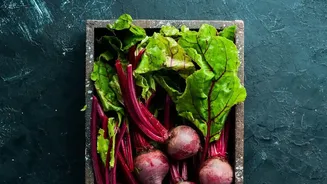
Before we dive into the kitchen, it's worth appreciating what beetroot brings to the table. This root vegetable is low in calories but dense with valuable vitamins and minerals. It is particularly rich in folate, which is essential for cell growth and function,
and manganese, which plays a role in bone formation and metabolism. Beets are also a source of powerful antioxidants called betalains, which give them their deep red-purple colour and possess anti-inflammatory properties. Additionally, they are naturally high in nitrates, which the body converts to nitric oxide, a compound that can help improve blood flow. Being a good source of fibre, beetroot also supports digestive health by promoting the growth of good gut bacteria.
Simple Preparation Techniques
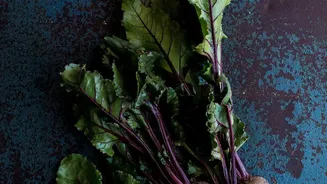
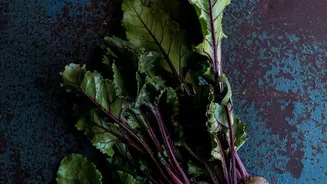
Intimidated by its potential to stain? Don't be. Prepping beetroot is simpler than you think. You can eat it raw by peeling and grating it finely, which is perfect for slaws and salads where you want a crunchy texture. Roasting is another excellent method that enhances its natural sweetness. Simply scrub the beets, wrap them in foil, and bake until tender. Once cooled, the skins slip off easily. For a quicker option, you can boil them whole with the skin on, which helps retain their colour and nutrients. They are cooked when a skewer can be easily inserted. You can even microwave them for a speedy preparation. And don’t discard the leaves; they can be sautéed just like spinach or other leafy greens.
Reinventing the Salad Bowl
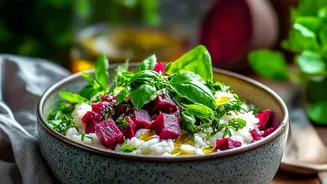
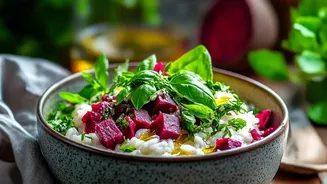
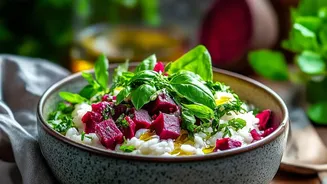
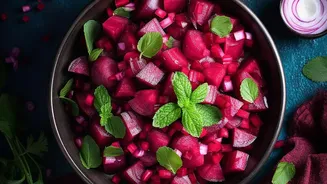
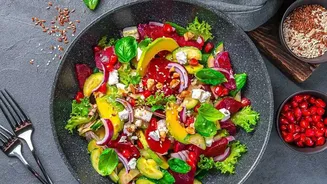
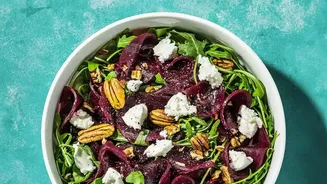
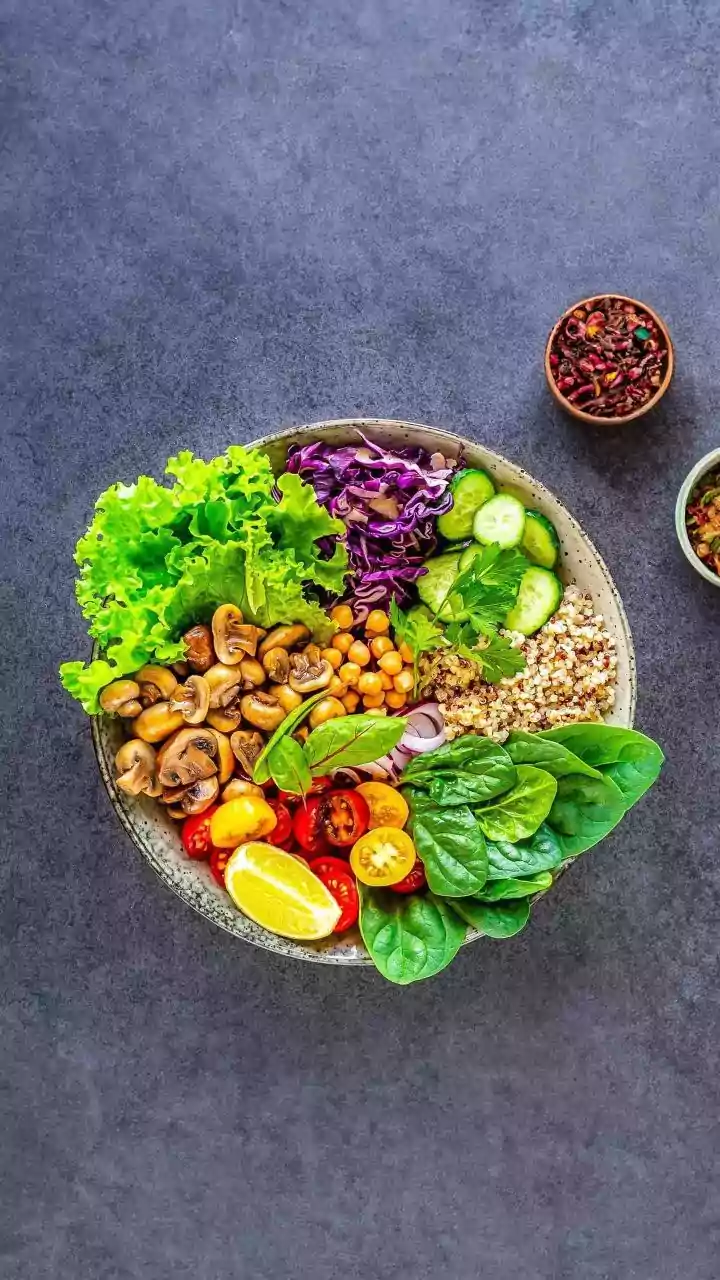
The most common use for beetroot is in salads, but there's no need for them to be boring. Move beyond simple boiled chunks and get creative. Grated raw beetroot adds a fantastic crunch and vibrant colour to any mix of greens. It pairs exceptionally well with crumbled paneer or feta cheese, toasted walnuts or hazelnuts, and a tangy dressing. For a warm salad, try a South Indian-style 'poriyal', where cooked beetroot is lightly sautéed with onions, spices like cumin, and fresh coconut. Combining roasted beet wedges with orange segments and a light vinaigrette also creates a refreshing and flavourful dish.
Vibrant Hues in Indian Breads and Rice
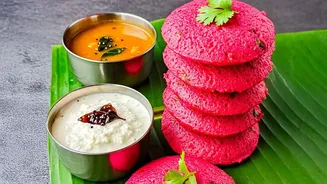
One of the most exciting ways to use beetroot is as a natural food colourant. Kneading beetroot puree into whole wheat flour results in stunningly pink, soft, and nutritious parathas or pooris. These are not only visually appealing, especially for kids, but also add a subtle sweetness and extra nutrients to your meal. Similarly, adding beetroot puree or finely grated beetroot to your rice can create a beautiful and delicious beetroot pulao. It’s a simple trick to make a midweek meal feel more festive and interesting.
Dips, Raitas, and Curries
Beetroot's earthy flavour and creamy texture when cooked make it a perfect ingredient for a variety of side dishes. Blend cooked beetroot with yogurt, garlic, and tahini for a shocking pink hummus that’s sure to be a conversation starter. A simple beetroot raita, made by mixing grated beetroot into chilled yogurt with roasted cumin powder, is a refreshing accompaniment to spicy biryanis and pulaos. You can even incorporate it into main courses. Grated or pureed beetroot can be added to tomato-based curries or lentil dals, adding a subtle sweetness, a richer texture, and of course, that signature beautiful colour. For a quick snack, beetroot cutlets or 'tikkis', made by mixing grated beet with mashed potatoes and spices, are a healthy and delicious option.