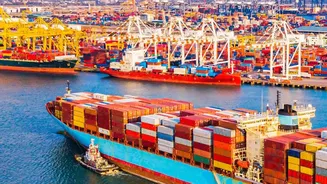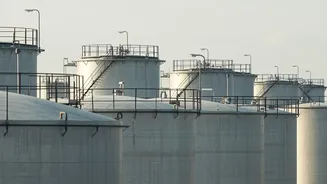

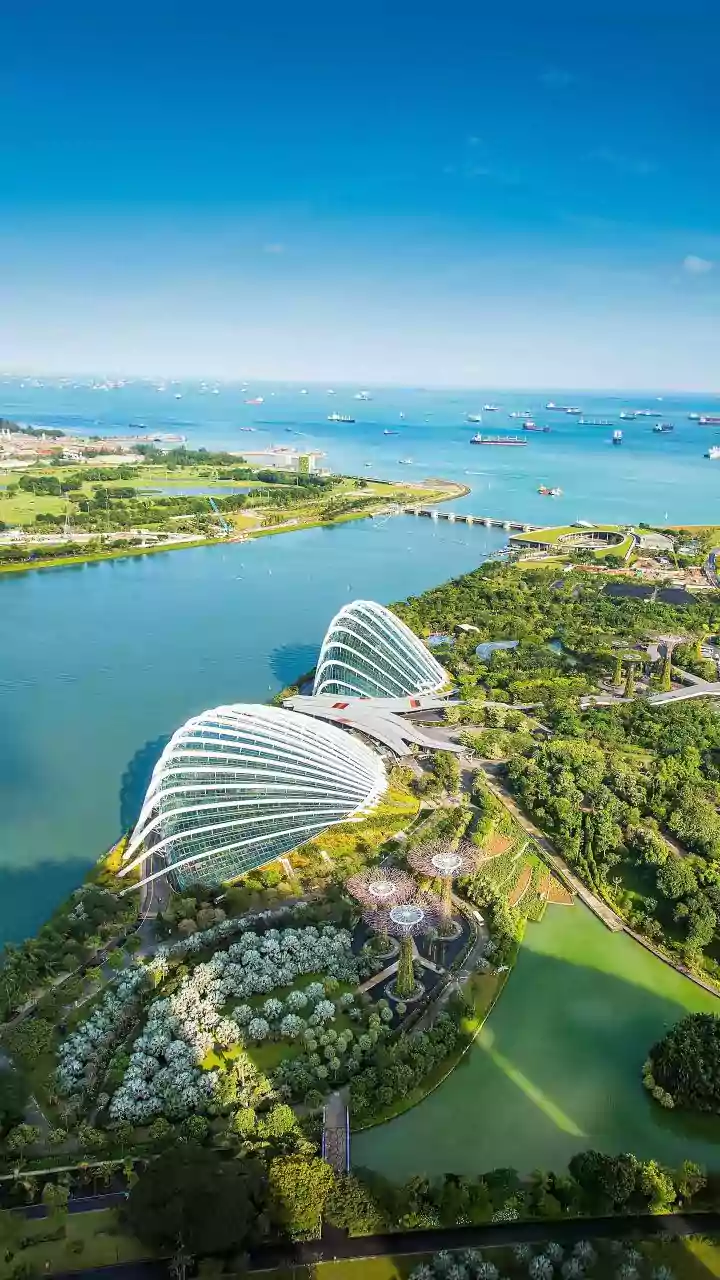





A proposed deal for Saudi Arabia to store oil in Singapore may seem like a simple commercial arrangement. But it reveals a sophisticated strategy of two nations leveraging their strengths to navigate a volatile global energy market.
A Partnership of Necessity and Ambition
At its heart, the proposed
oil storage deal between Saudi Arabia and Singapore is a partnership born of mutual need and strategic foresight. Singapore, a global financial hub with virtually no natural resources of its own, is fundamentally dependent on imported energy. Its entire economic model relies on the stable, predictable flow of resources through its port. For decades, its answer to this vulnerability has been to make itself an indispensable node in the global supply chain. Meanwhile, Saudi Arabia, via its state-owned giant Aramco, is looking to secure its place as the dominant energy supplier to Asia, the world's fastest-growing energy market. Recent geopolitical instability, including conflicts impacting shipping through the Strait of Hormuz, has made it urgent for Aramco to have stockpiles closer to its key customers. This deal, therefore, is not just about renting space; it's about embedding Saudi supply within Asia's most critical energy hub.
Singapore’s Long Game on Energy Security
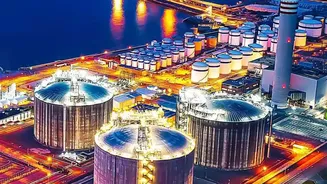
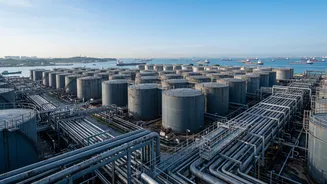
For Singapore, energy security is an existential issue. With natural gas generating about 95% of its electricity and a rapidly growing demand from data centres and manufacturing, the city-state cannot afford disruptions. Its strategy has been twofold: diversify energy sources and become the world's premier hub for energy trading, processing, and storage. The cornerstone of this storage strategy is the Jurong Rock Caverns (JRC), a massive underground storage facility built 150 metres below ground. Completed years ago, the JRC is an engineering marvel capable of holding millions of barrels of oil, freeing up valuable surface land while providing immense security. By inviting Saudi Arabia to use this facility, Singapore not only secures a physical buffer of crude oil for its own potential use during a crisis but also reinforces its status as a trusted, stable partner in the global energy trade. In an emergency, Singapore would gain priority access to these reserves.
Saudi Arabia’s Strategic Pivot to Asia
Saudi Aramco's ambition is to double its overseas oil storage, with a clear focus on Asia. The rationale is simple: storing crude closer to major buyers like China, Japan, and South Korea reduces delivery times, bypasses volatile chokepoints like the Strait of Hormuz, and allows for more flexible responses to market demand. Aramco already has storage agreements in Japan and South Korea, and the addition of Singapore would create a powerful logistics network across the region. A physical presence in Singapore, the pricing and trading heart of Asia, gives Aramco a significant competitive advantage. It allows the oil giant to better manage its supply chain and protect its market share against other global producers. This move is a clear signal of Saudi Arabia's long-term commitment to the Asian market, which accounts for the vast majority of its exports.
The Geopolitical Chessboard
This deal extends beyond bilateral benefits, impacting the wider geopolitical landscape. For energy-hungry nations like India, which depends heavily on oil imports passing through the Malacca Strait, the stability of this critical chokepoint is paramount. An arrangement that bolsters Singapore's role as a stable energy hub indirectly benefits all countries reliant on these sea lanes. A Saudi stockpile in Singapore acts as a regional buffer against supply shocks, potentially steadying prices during a crisis. The move also strengthens the strategic alliance between Riyadh and Singapore, two key partners for Western and Asian powers in their respective regions. By diversifying its storage away from the Middle East, Saudi Arabia reduces its vulnerability to regional conflicts, while Singapore further cements its role as the neutral, reliable anchor of Southeast Asia's economy and security architecture.