


The Enduring Appeal of Khichdi
In the vast landscape of Indian cuisine, khichdi holds a special place. It's the food of comfort, of recovery, and of simple, satisfying meals. Traditionally a one-pot dish made with rice and lentils, its genius lies in its versatility. But what if we
looked beyond the usual rice and dal combination? India's culinary pantry is rich with alternatives that offer unique tastes and health benefits. Two such stars are sabudana (tapioca pearls) and bajra (pearl millet). Both have been used for generations in regional cuisines to create wholesome meals. Swapping rice for these ingredients not only diversifies your diet but also connects you to a deeper food heritage, offering new ways to enjoy an old favourite. Whether for fasting, a winter warmer, or just a delicious change, these non-rice khichdis are worth mastering.
Sabudana Khichdi: A Fasting Favourite
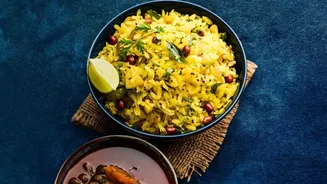
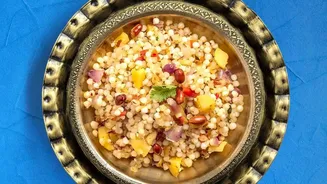
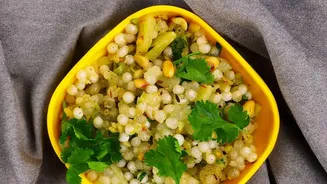
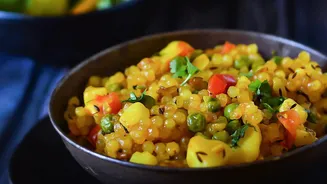
Sabudana Khichdi is a beloved dish, especially popular during religious fasts (vrat or upwas) like Navratri and Ekadashi. Made from tapioca pearls, it's a gluten-free and energy-dense meal. The magic of a good sabudana khichdi lies in its texture: the pearls should be soft and chewy, but distinctly separate, never mushy or sticky. The dish is typically prepared with a simple yet flavourful tempering of cumin seeds, green chillies, and curry leaves, with roasted peanuts providing a delightful crunch and potatoes adding substance. A final squeeze of lemon juice and a garnish of fresh coriander brighten the flavours, creating a perfectly balanced dish that is savoury, tangy, and satisfying. Its popularity stems from being a quick source of carbohydrates that keeps you full and energised during fasts.
Tips for Perfect, Non-Sticky Sabudana
The single biggest challenge in making Sabudana Khichdi is preventing the pearls from clumping together into a sticky mass. The secret lies in the preparation. First, rinse the sabudana thoroughly under running water to remove excess starch. The soaking process is crucial: use a 1:1 ratio of sabudana to water and soak for at least 4-6 hours, or as per the packet instructions, as quality can vary. After soaking, the pearls should have absorbed all the water and be soft when pressed, but still hold their shape. Drain any residual water completely; some cooks even let the soaked pearls rest in a colander for 10-15 minutes. Another professional tip is to mix coarsely ground roasted peanuts into the soaked sabudana before cooking. The peanut powder helps absorb any extra moisture and keeps the pearls separate. Finally, don't overcook it. Once the pearls turn translucent, which only takes a few minutes, the dish is ready.
Bajra Khichdi: A Rustic Winter Warmer
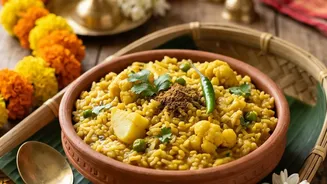
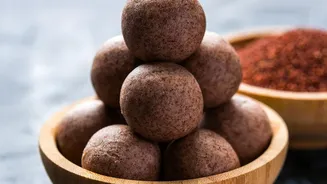
Bajra, or pearl millet, is a hardy grain that is a staple in the arid regions of Rajasthan and parts of Gujarat. Bajra Khichdi is a rustic, nutritious, and incredibly warming dish, making it perfect for winter. Unlike the light and fluffy sabudana khichdi, this version is hearty, creamy, and has a distinct nutty flavour. Traditionally, it is made by cooking coarsely ground bajra with a lentil, usually moong dal (split yellow or green gram), until it reaches a porridge-like consistency. This khichdi is often slow-cooked to allow the millet to soften completely and absorb all the flavours. It is a wholesome one-pot meal, rich in fibre and protein, making it both filling and healthy.
Crafting a Hearty Bajra Khichdi
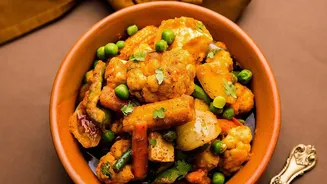
Preparing Bajra Khichdi requires a bit of patience but is well worth the effort. You can use whole bajra, which needs to be soaked for at least 6-8 hours, or broken bajra (dalia), which requires less soaking time. Many traditional recipes involve lightly pounding the soaked bajra to remove some of the husk before cooking. The khichdi is typically prepared in a pressure cooker to speed up the cooking process. A simple tempering of ghee, cumin seeds, asafoetida (hing), and ginger provides the foundational flavour. For a 'masala' version, you can also add onions, tomatoes, and other vegetables like carrots and peas. The ratio of water is important; usually, 4 cups of water are used for every combined cup of bajra and dal to achieve a soft, creamy texture. The finished dish is almost always served with a generous dollop of ghee, which elevates its flavour and adds to its comforting quality. It pairs wonderfully with yogurt, a spicy garlic chutney, or a piece of jaggery.