






Understanding the Uninvited Guests
Before you can effectively banish them, it's important to know what you're up against. Common pantry pests include Indian meal moths, flour beetles, and weevils. The adult moths are often seen flying around the kitchen, but it's their larvae that cause
the real damage by feeding on dry goods and leaving behind webbing. Beetles and weevils are small, dark insects that can infest everything from grains and cereals to spices and dried fruit. These pests often hitch a ride into our homes inside grocery packaging that was compromised during manufacturing or shipping. Once inside, they can multiply rapidly, turning a small issue into a full-blown infestation.
Your First Line of Defence: Airtight Storage
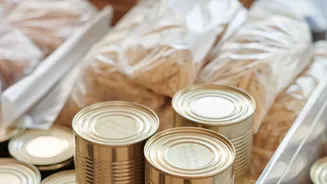
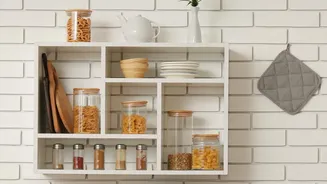
The single most effective strategy against pantry pests is proper storage. The original paper, cardboard, and thin plastic bags that groceries come in offer little protection; pests can easily chew through them. This is where airtight containers become essential. By transferring items like flour, rice, lentils, spices, and snacks into containers made of glass, metal, or high-quality, hard plastic, you create an impenetrable barrier. These containers do more than just block physical entry; they also seal in the food odours that act as a homing beacon for insects and rodents. When pests can't smell a potential meal, they are far less likely to investigate your pantry in the first place. This simple habit is the foundation of a pest-free kitchen.
The Power of a Clean and Dry Pantry
Pests thrive on neglect. Spilled flour in a dark corner, a scattering of crumbs on a shelf, or forgotten packets of old mixes are an open invitation. Regular cleaning is non-negotiable. A simple weekly wipe-down of shelves to remove crumbs and spills can make a huge difference. Once a month, it's wise to do a deeper clean: take everything out, vacuum the shelves and corners, and wipe surfaces down. Moisture is another major attractant, so ensure your pantry is cool and dry. Fixing any nearby leaks and ensuring good ventilation will make the environment less hospitable for pests, who are drawn to damp conditions.
Viral Hacks vs. Proven Methods
The internet is full of quick fixes and viral hacks promising a pest-free kitchen, but many are more folklore than fact. One of the most popular is using bay leaves to repel weevils and moths. While bay leaves do contain eucalyptol, a compound with mild repellent properties, their effectiveness is often overstated. A bay leaf in a canister might deter a few stray insects, but it will not kill existing larvae or eggs, nor will it stop a determined infestation. Similarly, while strong scents from peppermint oil or cloves can act as minor repellents, they are not a substitute for secure storage and cleanliness. These 'hacks' can offer a false sense of security, whereas proven methods like airtight containers and hygiene address the root of the problem directly.
A Simple Prevention Checklist
Maintaining a pest-free pantry doesn't have to be a monumental task. By incorporating a few simple habits, you can keep your kitchen protected. First, inspect new grocery packages for any signs of damage before putting them away. Upon returning home, immediately transfer dry goods from their original packaging into your airtight containers. Adopt a 'first-in, first-out' system, rotating older items to the front so they get used before they become a potential breeding ground. Finally, perform a quick weekly check for any spills or crumbs and commit to a monthly deep clean. This proactive approach is far more effective and less stressful than dealing with an infestation after it has already taken hold.