








Breaking Down the 5% Growth
The latest government data shows that the Index of Core Industries (ICI) expanded by 5% year-on-year in June 2026. This represents the fastest growth since January 2026 and a significant acceleration from the 3.2% growth recorded in May. This positive
signal comes from the inaugural release of a newly revised index, which now uses 2022-23 as its base year instead of the previous 2011-12, aiming to better reflect the current industrial landscape. The core sectors, which include crucial industries like coal, steel, and electricity, are a vital barometer of economic health, and their performance provides an early glimpse into the broader Index of Industrial Production (IIP).
A New Star Player: Iron Ore
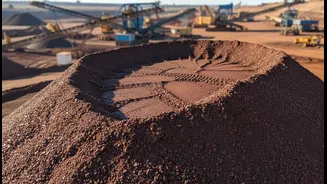
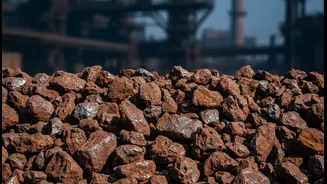
A significant change in this new data series is the inclusion of iron ore as the ninth core industry, and it has made an immediate impact. Production in the iron ore sector surged by an astonishing 43.9% in June, making it the standout performer and a major driver of the overall index's strong performance. The Ministry of Commerce and Industry noted that iron ore was added due to its intensive use in the production process and its growing contribution to industrial development. This revision, alongside methodological tweaks like using gross production data for steel, aims to provide a more accurate and consistent picture of the economy's backbone.
The Engines of a Broader Recovery
Beyond iron ore's stellar debut, other key sectors also demonstrated robust health. Electricity generation and cement production both grew by a strong 9.8%. The rise in electricity demand is partly attributed to heatwave conditions in parts of the country, while the solid growth in cement and a 4.6% rise in steel output point towards sustained momentum in construction and infrastructure activities, fueled by both government and private sector spending. Coal production also returned to positive territory with a 1.4% increase, snapping a three-month streak of contraction. This multi-sector strength suggests a broadening of the industrial recovery.
Not All Smooth Sailing
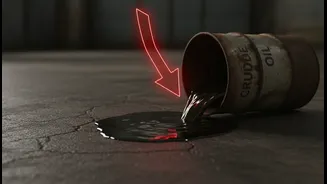
While the headline number is encouraging, the June report also highlights areas of weakness. Four of the nine sectors recorded a contraction. The hydrocarbon and related sectors faced headwinds, with natural gas production falling by 7.4%, refinery products by 4.7%, and crude oil by 4.2%. Fertiliser output also continued its decline, shrinking by 3.3%. Economists suggest this weakness in the petroleum complex could be linked to increased imports as global crude prices have cooled, while the slump in fertiliser production has been linked to the lingering impact of tensions in West Asia affecting the supply of key inputs. These figures serve as a reminder that vulnerabilities, particularly from external factors, persist.
What This Means for the Path Ahead
The strong June performance provides a firmer footing for India's economic outlook for the rest of the financial year. The cumulative growth for the first quarter of FY27 (April-June 2026) now stands at a healthier 3.6%, a marked improvement from the 1% growth seen in the same period last year. Economists see the data as a sign of resilient domestic demand, which is helping to offset sluggishness in global markets. The robust performance in sectors like cement and steel reinforces the narrative of an investment-led recovery. While challenges from global geopolitics and the performance of the monsoon remain key variables to watch, this five-month peak in industrial growth offers a solid data point that suggests the Indian economy is navigating the turbulence with considerable strength.