



The Village Atmosphere of Butte-aux-Cailles
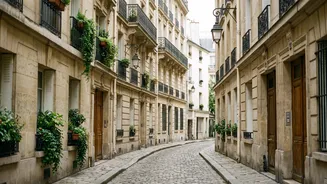
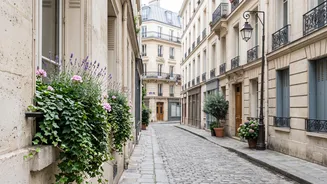
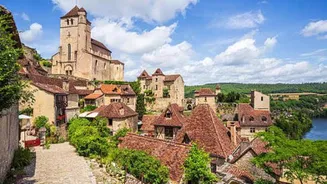
Tucked away in the 13th arrondissement, Butte-aux-Cailles feels less like a part of a major metropolis and more like a rustic French village. This small hill is a maze of quiet, cobbled streets, low-rise houses, and a surprising amount of vibrant street art.
Unlike the grand avenues of central Paris, the vibe here is relaxed and bohemian. You can spend an afternoon wandering its charming streets like Rue des Cinq Diamants, browsing small shops, and stopping at a laid-back bistro. The neighbourhood is also home to an Art Deco swimming pool fed by a natural hot spring and a town square, Place Paul Verlaine, where locals gather. It’s a corner of the city that invites you to slow down and experience a truly local pace of life, far from the tourist trail.
The Waterways of Canal Saint-Martin
While tourists flock to the River Seine, Parisians in the know head to the Canal Saint-Martin in the 10th arrondissement for their waterside relaxation. This 19th-century canal, commissioned by Napoleon I, is lined with chestnut trees and crossed by picturesque iron footbridges. The banks are a popular spot for picnics, strolls, and watching the canal boats navigate the series of locks. The surrounding area has a hip, creative energy, full of independent boutiques, quirky bookshops, and cool cafés. It offers a glimpse into the everyday leisure of Parisians, whether it's friends sharing a bottle of wine on the quay or simply enjoying a peaceful walk. It takes about two to four hours to explore the area on foot, making for a perfect afternoon escape.
The Dramatic Landscapes of Parc des Buttes-Chaumont
One of the city's largest green spaces, Parc des Buttes-Chaumont in the 19th arrondissement is a favourite among locals but often missed by visitors. Built on a former quarry, its design is dramatic and romantic, featuring steep cliffs, a grotto with a waterfall, a suspension bridge designed by Gustave Eiffel, and a lake. At the centre, a rocky island is topped by the Temple de la Sibylle, offering stunning views across the city towards Montmartre. Its hilly terrain and winding paths make it feel like an escape from the urban grid. The park's history is grim—it was once a site for public gallows—but it was transformed into a beautiful public space in the 1860s. Today, it's a place for picnics, jogging, and simply enjoying a piece of wild nature in the city.
The Hidden Courtyards of Le Marais
Le Marais is a popular and historic district, but you can easily escape the crowds by ducking into its many hidden courtyards. This neighbourhood is famous for its 'hôtels particuliers'—grand private mansions from the 17th and 18th centuries. While many are still private residences, others conceal quiet gardens and passageways accessible to the public. For instance, the courtyard of the Hôtel de Sully provides a peaceful passage to the elegant Place des Vosges, a beautiful square perfect for a moment of calm. Venturing off the main streets like Rue des Rosiers reveals a quieter side of the Marais, with antique shops, art galleries, and peaceful corners that feel worlds away from the nearby bustle. Exploring these courtyards is like discovering a secret history of Paris, hidden in plain sight.
The Quiet Backstreets of Montmartre
Montmartre is synonymous with the Sacré-Cœur Basilica and the crowded Place du Tertre, where artists vie to paint your portrait. But just a few steps away from these hotspots, the neighbourhood's true charm unfolds. Wander behind the famous basilica to find a labyrinth of steep, winding streets lined with ivy-clad houses and quiet gardens. Streets like Rue de l'Abreuvoir, with its famous pink café 'La Maison Rose', and the tranquil Square Suzanne Buisson offer a postcard-perfect vision of old Paris without the overwhelming crowds. These backstreets retain a village-like quality that attracted artists like Picasso and Modigliani. It's here, away from the souvenir shops, that you can still feel the artistic and bohemian spirit of this iconic Parisian hill.