

More Than Just Sweetness
When we think of sweetening our desserts, the first thing that often comes to mind is refined white sugar. It is a neutral, predictable ingredient that does its job efficiently. But in traditional Indian cooking, sweetness is rarely just about being sweet.
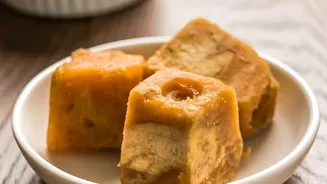
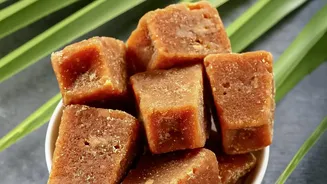
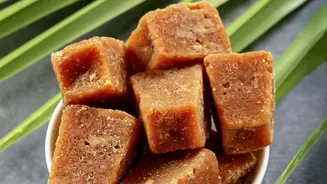
Jaggery, or 'gur' as it is known across the country, is not just a sweetener; it is a flavour ingredient in its own right. Unlike sugar, which is pure sucrose stripped of all other compounds, jaggery is unrefined and retains molasses, minerals, and a host of other natural elements from the sugarcane or palm sap it is made from. This gives it a flavour profile that is miles apart from sugar’s one-note taste, offering hints of caramel, toffee, and a pleasant earthiness.
A Taste of Tradition and Complexity
For centuries before industrialised sugar became common, jaggery was the primary sweetener in Indian kitchens. It is deeply woven into the fabric of our culinary heritage, especially in festive and traditional sweets. This connection is about more than just history; it is about a flavour that modern cooks are rediscovering. The choice between sugarcane jaggery and palm jaggery (karupatti) also introduces another layer of complexity. Sugarcane jaggery tends to have a golden-brown hue and a rich, molasses-forward taste. Palm jaggery is often darker, with a unique, almost smoky flavour that adds a distinctive character to any dish it graces. This variety allows a cook to pair the type of jaggery to the specific dessert, creating a more intentional and nuanced final product.
The Magic in Steamed Desserts
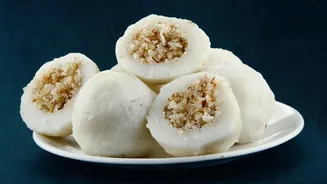
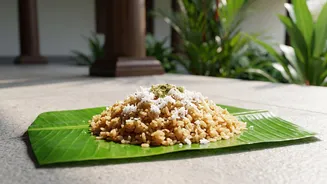
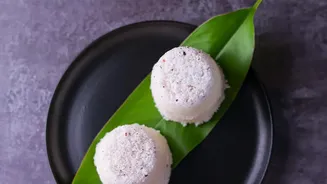
The headline's claim rings particularly true when it comes to steamed rice-flour desserts. Think of classics like Kozhukattai from the South or Pitha from the East. These delicacies rely on the gentle, moist heat of steam to cook a delicate rice-flour casing around a sweet filling. Here, jaggery’s properties truly shine. Because it contains more moisture than dry, crystalline sugar, jaggery creates a filling that is softer and more luscious. When heated, it melts into a rich, gooey consistency that perfectly complements the soft, slightly chewy texture of the steamed rice dough. The earthy, caramel notes of the jaggery infuse the relatively neutral rice flour, creating a harmonious balance of flavour that plain sugar simply cannot replicate.
Unpacking That 'Deeper' Flavour
What does 'deeper sweetness' actually mean? It is the difference between a single musical note and a full chord. White sugar provides the single note: pure sweetness. Jaggery, however, brings a whole symphony of flavours. The molasses it retains from the sugarcane juice lends it a complex, caramel-like richness. Depending on the batch and type, you might detect notes of toffee, a hint of smokiness, or even a subtle mineral tang. In a dessert like a steamed modak, this means the filling is not just sweet; it is fragrant, flavourful, and has a lingering warmth. This complexity is why jaggery is often paired with other aromatic ingredients like cardamom, nutmeg, and coconut, which enhance its natural depth.
Making the Switch in Your Kitchen
Incorporating jaggery into your own cooking is simpler than you might think. When substituting it for sugar, a common rule of thumb is to use slightly more jaggery, as it is generally considered less sweet than refined sugar. A ratio of 1.25 parts jaggery to 1 part sugar by volume is a good starting point. For recipes involving fillings or syrups, it is best to melt the jaggery first with a little water to create a smooth, impurity-free liquid. This ensures it mixes evenly and prevents any gritty texture. Whether you choose solid blocks, a soft paste, or convenient powdered jaggery, look for a product with a rich colour and aroma, which are signs of good quality. Embrace this traditional ingredient and rediscover the soulful sweetness it brings to your favourite rice-flour desserts.