
The Golden Spice of Meghalaya
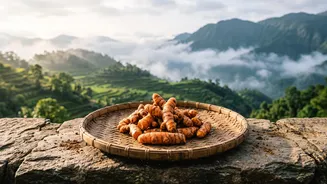
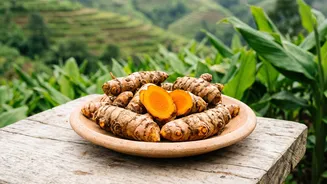
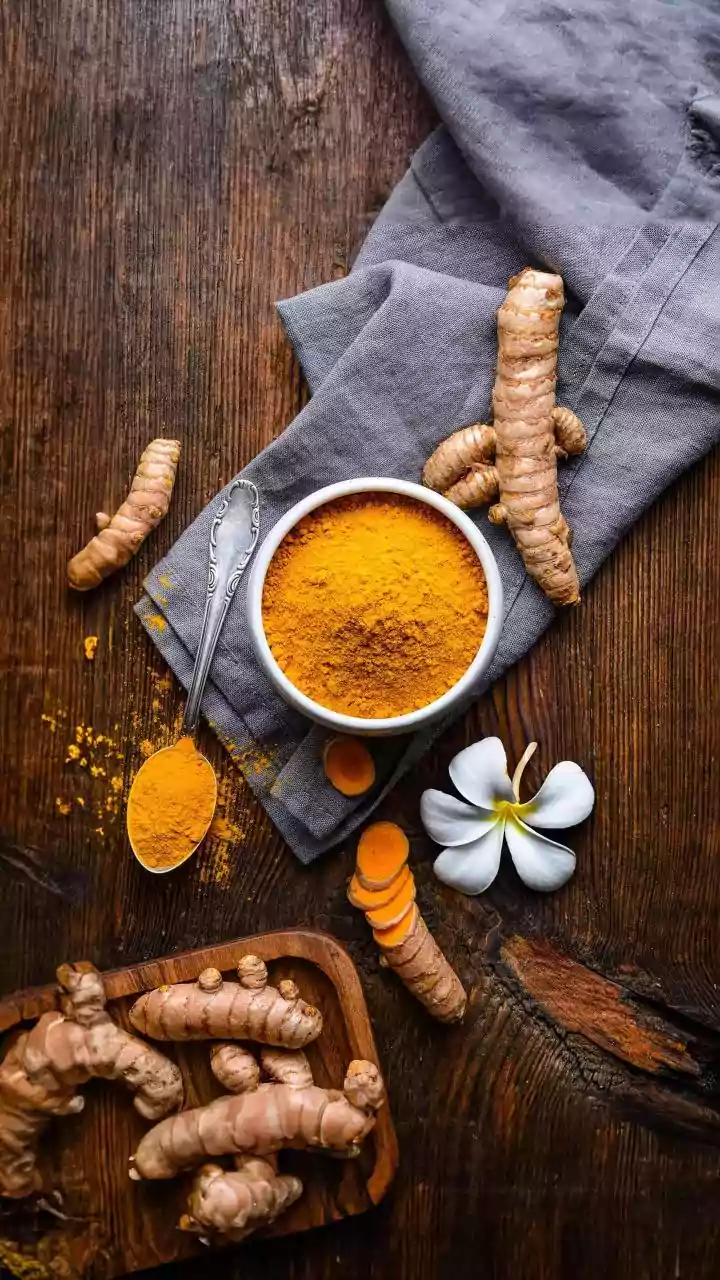
Not all turmeric is created equal. While the standard spice found in most kitchens has a curcumin content of around 2-3%, the Lakadong variety, grown exclusively in the Jaintia Hills of Meghalaya, boasts an exceptionally high concentration of 7-12%. Curcumin
is the bioactive compound responsible for turmeric's vibrant colour and most of its lauded anti-inflammatory and antioxidant properties. This potency, a result of the region's unique climate, altitude, and rich soil, makes Lakadong turmeric one of the finest varieties in the world. Its superior quality is now legally protected, having been granted a Geographical Indication (GI) tag, which means only turmeric from this specific region can bear the Lakadong name.
Introducing 'Turmeric Trinity' Saioo
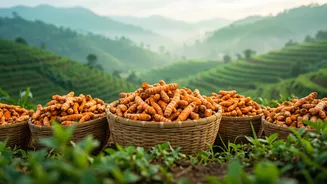
At the heart of this agricultural revolution is Trinity Saioo, a schoolteacher from Mulieh village. In 2003, while farming part-time to support her family, she noticed the local 'Lachein' turmeric variety yielded poor returns and had low market demand. Drawing on ancestral knowledge, she switched to cultivating the superior Lakadong variety and saw her income double. This personal success sparked a wider mission. Realising the economic potential for her entire community, Saioo began a journey that would earn her the nickname 'Turmeric Trinity' and, in 2020, the prestigious Padma Shri award for her immense contribution to agriculture.
The Genesis of the Initiative
Saioo saw her neighbours, mostly women farmers, struggling with low incomes and a lack of awareness about the more profitable Lakadong variety. A significant hurdle was the high cost of Lakadong seed tubers, which poor farmers couldn't afford. Determined to help, Saioo approached the Spices Board of India for assistance, helping local farmers navigate the documentation needed to secure financial and technical support. She didn't just advocate for a new crop; she organised a movement, persuading and guiding her community toward a more sustainable and profitable future, one farmer at a time.
How the Farming Initiative Works
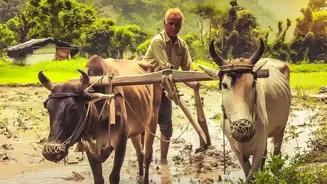
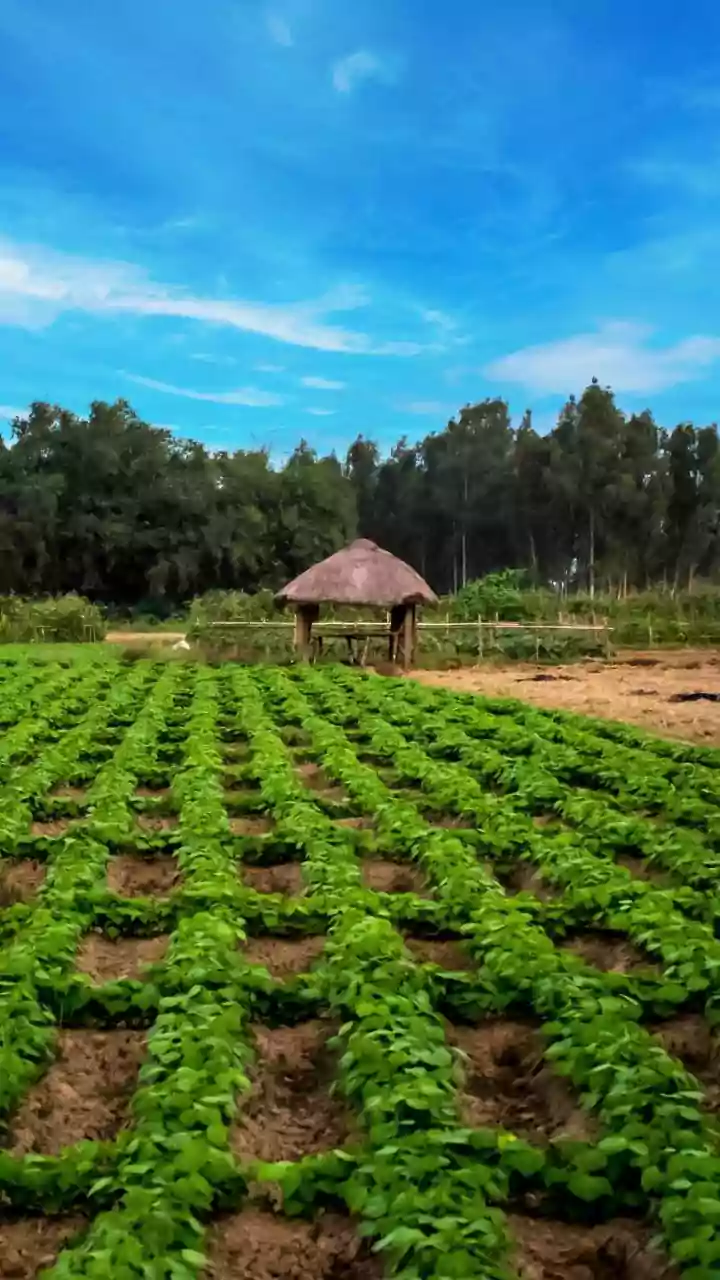
Trinity Saioo's initiative is a grassroots model of empowerment. She began by educating fellow farmers about the benefits of Lakadong turmeric and teaching them organic cultivation methods to ensure quality. Her leadership was instrumental in organising farmers into Self-Help Groups (SHGs) and cooperatives, such as the Ieng Skhem Spice Producer Industrial Co-operative Society. These groups allow farmers to pool resources and gain collective bargaining power. Saioo also guided them through post-harvest processes like drying, slicing, grinding, and packaging, adding value to their produce and creating more employment opportunities, especially for women. This organised approach has enabled them to establish market linkages and export their turmeric to other states across India.
Empowering a Community, One Farmer at a Time
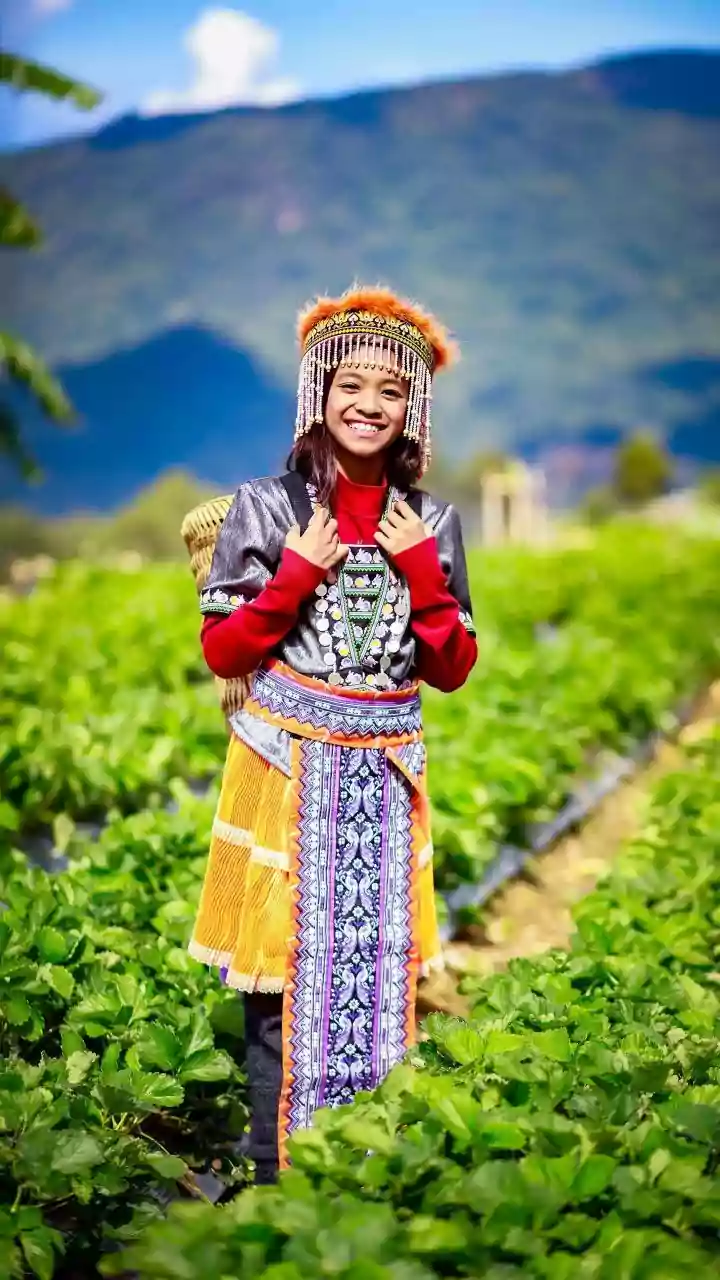
The impact of Saioo's work has been profound. She has mobilised and trained over 900 farmers, the majority of whom are women, across dozens of villages. Many of these farmers have reported tripling their income, a life-changing increase that has allowed them to build proper houses, afford better healthcare, and fund their children's education. By leading the formation of over 100 Self-Help Groups under the Life Spice Federation, Saioo has created a powerful network for women's economic independence in a matrilineal society where they are already key custodians of the land. Her efforts were also a driving force behind the Meghalaya government's 'Lakadong Mission', which aims to significantly scale up production.