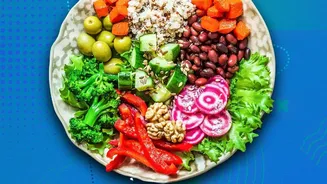









Add, Don't Restrict
The mindset of a restrictive diet is draining. It frames food and activity in terms of what you cannot have or must do. A more sustainable and psychologically kind approach is to focus on addition. Instead of banning sweets, make it a goal to add one
piece of fruit to your breakfast. Instead of forcing a punishing workout, aim to add a 10-minute walk after dinner. This “approach-oriented” goal-setting is linked with greater self-esteem and happiness. Each time you succeed in adding something positive, your brain registers a win, building confidence and momentum. This method shifts the focus from deprivation to nourishment and joy, making healthy choices something you look forward to rather than dread.
Master the Habit Stack
One of the most effective ways to build a new habit is to attach it to one you already have. This technique, known as "habit stacking," eliminates the mental effort of deciding when and how to act. The formula is simple: After [CURRENT HABIT], I will [NEW HABIT]. For example: after I brush my teeth in the morning, I will do five minutes of stretching. After I pour my morning cup of tea, I will drink a full glass of water. The existing habit acts as a powerful trigger for the new one, helping to automate the behaviour much faster. This is far less demanding than trying to remember a floating, untethered goal like "exercise more." By linking new, small actions to established routines, you create a ripple effect of positive change that requires very little willpower to maintain.
Listen to Your Body's Cues
Strict tracking outsources your decisions to an app or a number, teaching you to ignore your body's own wisdom. Intuitive eating and movement, on the other hand, encourage you to tune back in. This means learning to recognise your genuine hunger and fullness signals, rather than eating because the clock says it's time or stopping because your calorie budget is spent. Research shows that intuitive eating is associated with better body image, lower rates of disordered eating, and greater emotional well-being. Instead of obsessing over precise calorie counts, which can be inaccurate anyway, ask yourself simple questions: Am I truly hungry? What would feel satisfying and nourishing right now? How does my body feel when I move this way? This practice builds a trusting relationship with your body, which is the foundation of long-term health.
Prioritise Sleep Above All Else
In the quest for optimal health, we often focus on diet and exercise while treating sleep as a negotiable luxury. This is a critical mistake. Inadequate sleep disrupts the hormones that regulate appetite, making you more likely to crave high-calorie, low-nutrient foods. It also impairs workout recovery and drains the motivation needed to make healthy choices. Instead of staying up late to meal-prep or waking up excessively early for a workout you're too tired for, make getting seven to nine hours of quality sleep your number one non-negotiable. This single change can have a massive cascading effect on your health. Better sleep stabilises your metabolism, boosts your immune system, and improves mood and energy levels, making all other healthy choices feel significantly easier.