




The All-Rounder: Coriander and Mint Chutney
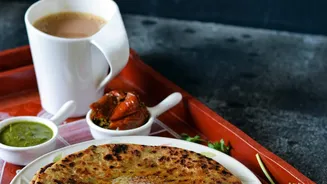
Known simply as green chutney or hari chutney, this is perhaps the most ubiquitous condiment in India. Made from a vibrant blend of fresh coriander leaves, mint, green chillies, ginger, and a squeeze of lime juice, its flavour is herbaceous, zesty, and as spicy
as you dare to make it. This versatile chutney is a staple not just for breakfast but for all manner of street snacks. You'll find it generously spread inside a classic Bombay sandwich, served alongside piping hot samosas, or offered as a cooling counterpoint to savoury dhokla. Its bright, fresh taste cuts through the richness of fried foods, making everything it touches taste more alive. Some versions add peanuts or roasted gram dal for thickness and a nutty undertone.
The South Indian Star: Coconut Chutney
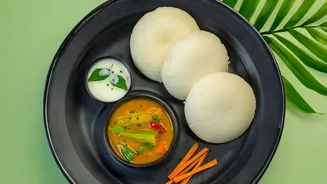
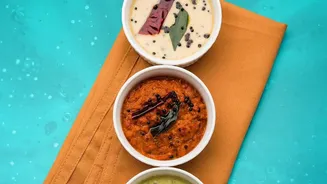
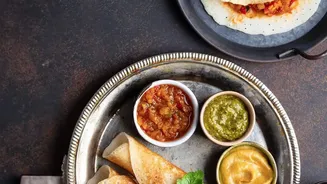
A trip to South India is incomplete without a breakfast of idli or dosa served with a generous helping of coconut chutney. This classic accompaniment, known as Nariyal Chutney, is creamy, nutty, and subtly spiced. The most common version is a pristine white, made from freshly grated coconut, green chillies, ginger, and often a small amount of roasted gram (pottukadalai) for texture. The chutney is typically finished with a tempering (tadka) of hot oil infused with mustard seeds, urad dal, dried red chillies, and fragrant curry leaves, which adds a complex, aromatic crunch. Variations abound, with some recipes including coriander or mint for a green version, or red chillies and tomato for a spicier, tangier red chutney.
The Sweet & Tangy Hero: Tamarind Chutney
Affectionately known as imli chutney or meethi chutney, this dark, glossy condiment is the ultimate balancing act of flavours. Made by simmering tamarind pulp with jaggery (unrefined sugar), it delivers a signature sweet and sour taste that is essential to the world of Indian chaat and snacks. While more commonly associated with evening snacks like bhel puri and samosas, its presence is crucial on a breakfast platter featuring fried items like kachori or bread pakora. Spices like roasted cumin powder, dried ginger powder (saunth), and a pinch of red chilli powder give it a warming, aromatic depth. Some recipes also incorporate dates to enhance the sweetness and provide a richer, more caramel-like flavour.
The Fiery Powerhouse: Dry Garlic Chutney
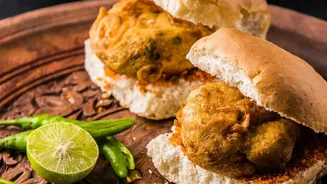
This is not a chutney for the faint of heart. Originating from Maharashtra, dry garlic chutney, or lasun chutney, is a coarse, spicy powder that packs a powerful punch. It is the defining ingredient of Mumbai’s iconic street food, Vada Pav. The chutney is made by grinding together fiery dried red chillies, copious amounts of garlic, and desiccated coconut, which adds a subtle nutty sweetness and texture. Sometimes peanuts or sesame seeds are also included. Unlike its wetter counterparts, this chutney is sprinkled dry inside the pav (bread roll) before the hot potato vada is placed, ensuring every bite is infused with its pungent, garlicky heat. It’s a flavour explosion that transforms a simple potato sandwich into a legendary experience.
The Humble Classic: Tomato Chutney
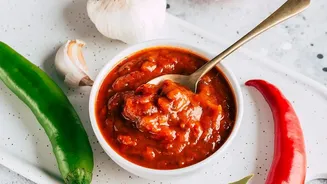
Simple, tangy, and incredibly satisfying, tomato chutney is a staple in many Indian households and a common offering at breakfast stalls. Its preparation varies across regions, from a simple, fresh blend to a more complex, cooked version. A popular South Indian style, often called Thakkali Chutney, involves sautéing tomatoes with onions, garlic, chillies, and lentils like chana dal and urad dal before grinding them into a savoury paste. This gives the chutney a wonderful depth and a slightly coarse texture that pairs beautifully with soft idlis, crispy dosas, and savoury upma. Depending on the recipe, it can range from mildly tangy to intensely spicy, serving as a vibrant and flavourful companion to start the day.