

A Global Celebration of Space
World Space Week is an annual global event, declared by the United Nations, that runs from October 4 to 10. The dates themselves are historic, commemorating two pivotal moments in space history: the launch of Sputnik 1, the first artificial satellite,
on October 4, 1957, and the signing of the Outer Space Treaty on October 10, 1967. This treaty established the foundational principles for the peaceful exploration and use of space. Every year, space agencies, schools, companies, and enthusiasts in over 95 nations hold thousands of events to celebrate the contributions of space science and technology to humanity. The week aims to inspire students, educate the public about the benefits of space, and foster international cooperation.
This Year's Theme: Rocket Revolution
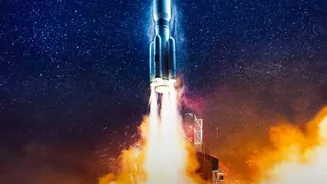
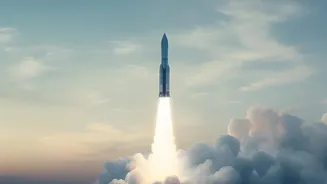
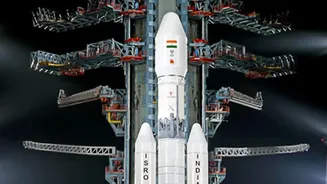
The theme for World Space Week 2026 is 'Rocket Revolution'. This focus is incredibly relevant as we witness a dramatic transformation in how we access space. For decades, space launches were the exclusive domain of a few government agencies. Now, the landscape is rapidly changing. The revolution includes the rise of commercial spaceflight companies, the development of reusable rockets that dramatically lower costs, and the increasing involvement of startups and university teams in building and launching spacecraft. This theme encourages a global conversation about how these innovations are making space more accessible, frequent, and useful for science, industry, and society.
Why It Matters for India
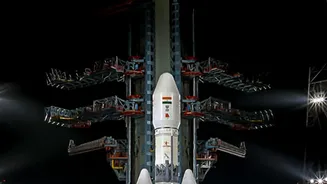
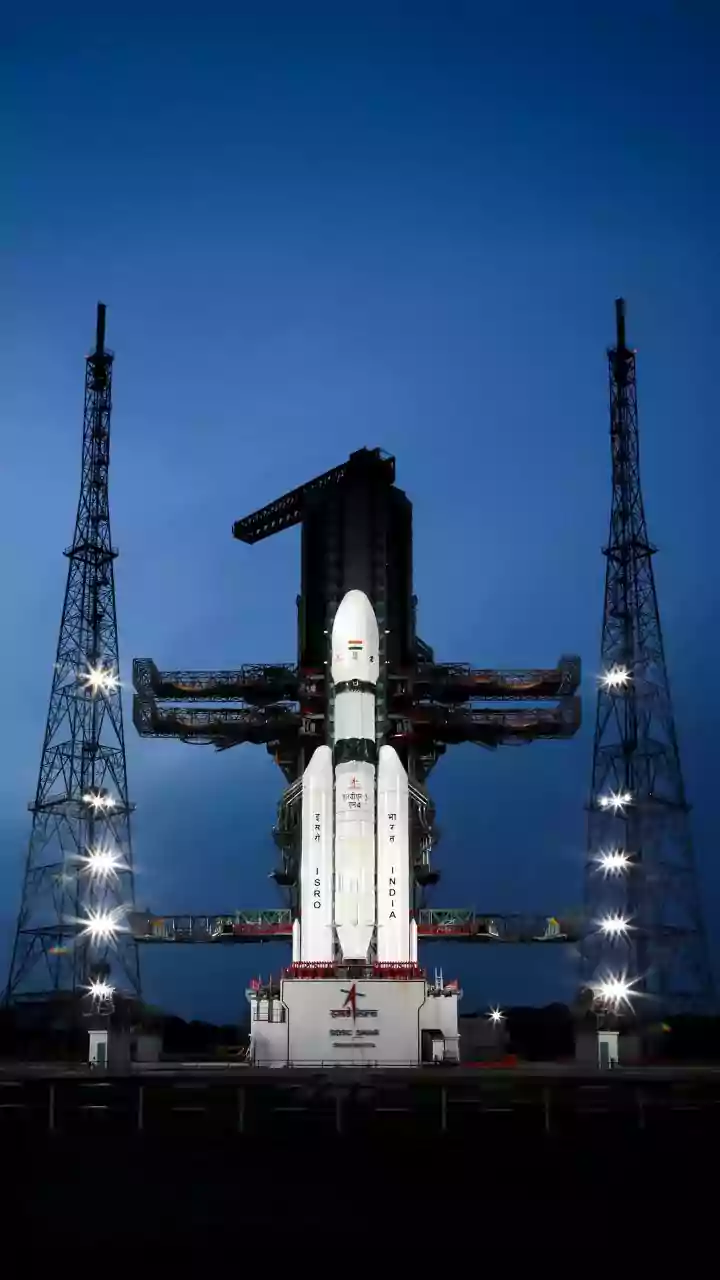
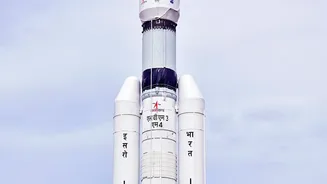
For India, the 'Rocket Revolution' is not just a theme; it's a reality and a national ambition. With the Indian Space Research Organisation (ISRO) making global headlines with missions like Chandrayaan and its successful Gaganyaan test flights, public interest in space is at an all-time high. The country’s space sector is undergoing a massive transformation, with around 440 registered space startups now complementing ISRO's work by building everything from launch vehicles to satellites. World Space Week provides a perfect opportunity to channel this enthusiasm into education and skill-building. Events held by ISRO centres like VSSC and SDSC SHAR, along with educational institutions across the country, aim to bring space technology closer to students and the public.
Building the Next Generation
The focus on space education is critical for sustaining India's momentum. The growing space economy, valued at USD 8 billion domestically, needs a steady pipeline of skilled talent. However, companies report a growing difficulty in finding specialists in fields like propulsion, avionics, and satellite systems. This is where early space education becomes crucial. Initiatives that align with the National Education Policy's emphasis on experiential learning can ignite curiosity and foster critical thinking from a young age. By incorporating space education into school curricula and vocational training, India can prepare a workforce ready for the high-tech challenges of tomorrow and solidify its position as a global space leader.
How You Can Participate
Getting involved in World Space Week can be as simple as looking up at the night sky. For those wanting a more hands-on experience, ISRO centres and local science museums often host open houses, lectures by scientists, and exhibitions. Many universities and astronomy clubs also organise stargazing nights, workshops, and competitions for students. With the rise of virtual events, anyone can tune into webinars and talks from international space experts. It’s a chance for everyone—from students dreaming of building rockets to curious citizens—to connect with the cosmos and celebrate the human drive to explore.