

Embrace Repeated, Low-Pressure Exposure
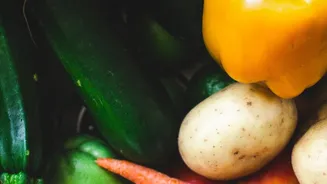
It’s the most robust finding in feeding therapy: a child may need to be exposed to a new food 10 to 15 times before they even try it. This doesn't mean 15 battles; it means 15 calm, pressure-free opportunities. Exposure can be seeing the vegetable on
your plate, helping you wash it, or having a single pea on theirs. The key is to remove the expectation that they must eat it. This strategy, often called the 'mere exposure' effect, works by building familiarity and reducing food neophobia, the fear of new foods, which peaks in toddlerhood. Research shows that consistent, repeated offerings significantly increase a child's eventual liking and intake of a previously disliked or unfamiliar vegetable. So, keep offering that broccoli. Don't ask them to eat it, just let it be there. Patience is your greatest tool.
Make Them Part of the Process
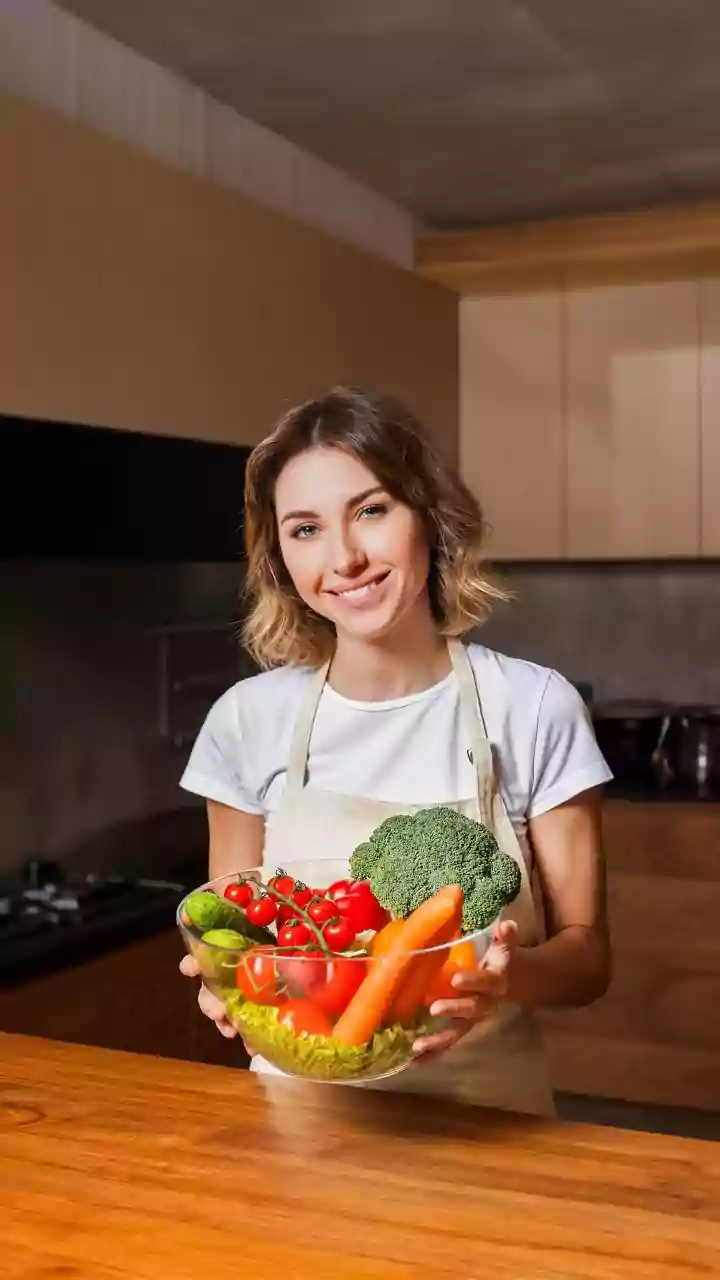
Give your child a sense of ownership and control by involving them in the entire food journey. Take them to the grocery store or a local market and let them pick out a new vegetable that looks interesting. At home, give them age-appropriate tasks. Toddlers can wash produce in a bowl of water, while older children can tear lettuce, stir ingredients, or use a kid-safe knife to chop soft vegetables. Studies show that children are significantly more likely to eat a meal they helped prepare. This hands-on involvement demystifies the food, turning it from a strange item that appears on their plate into something they helped create. It’s an investment of time that pays off by transforming suspicion into curiosity and pride.
You Are the Role Model
Your child is always watching. Research consistently shows that a parent's eating habits are one of the strongest predictors of a child's diet. If you want your child to eat vegetables, they need to see you eating and, crucially, enjoying them. Make a habit of eating meals together as a family whenever possible. Talk positively about the food you're eating, mentioning the colours, textures, and flavours. For example, say “Wow, these roasted carrots are so sweet and delicious!” Avoid making negative comments about any foods, even ones you dislike, as children readily absorb these attitudes. When a child sees their parents, older siblings, and other trusted adults happily eating a variety of vegetables, it sends a powerful message that these foods are safe, normal, and enjoyable.
Build Bridges with 'Food Chaining'
Food chaining is an evidence-informed technique that involves introducing new foods that are similar to a child's existing favourites. The goal is to build a bridge from an accepted food to a new one by making only small changes in taste, texture, or appearance. For example, if your child eats potato chips, you could introduce baked sweet potato fries (similar shape and crunch), then move to roasted sweet potato wedges (similar taste, different texture), and then perhaps to roasted carrots. If they love a particular dip, serve it with a tiny piece of a new vegetable like a cucumber or bell pepper. This gradual process respects the child's comfort zone and makes trying new things feel less overwhelming. It’s a slow and steady method that builds confidence one small step at a time.
Encourage Sensory Food Play
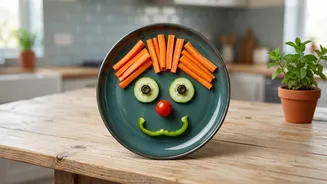
The old rule 'don't play with your food' needs an update. For many children, especially those with sensory sensitivities, resistance to food is about texture and smell, not taste. Sensory food play, done away from the dinner table without any pressure to eat, can be a game-changer. Let them use broccoli florets as paintbrushes, build structures with carrot sticks, or squish avocado to feel its texture. This type of play helps children learn about the properties of a food in a safe, fun context. It desensitizes them to unfamiliar textures and smells, which can reduce anxiety when the food eventually appears on their plate. By allowing them to explore vegetables with all their senses, you help them build the comfort and familiarity needed to one day take a bite.
Serve Veggies When They're Hungriest
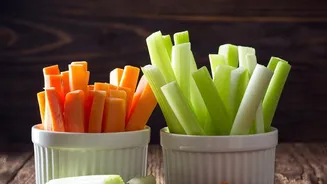
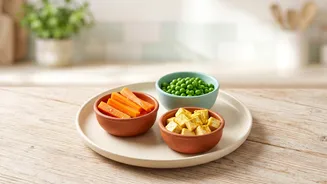
Timing can be everything. Many parents find success by offering vegetables before the main meal, when children are at their hungriest. While you are finishing up dinner preparations, put out a small plate of accessible, easy-to-eat raw vegetables like sliced cucumbers, cherry tomatoes, or sugar snap peas. This is often called an 'appetizer plate'. At this moment, with no other food competing for their attention, a hungry child is far more likely to nibble on what's available. You can serve it without comment or fanfare. If they eat them, great. If not, there’s no pressure because the main meal is still coming. This simple shift in timing can dramatically increase vegetable consumption without turning mealtime into a negotiation.