



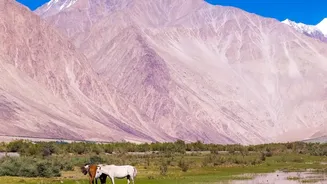
A New Gateway to the Valley of Flowers
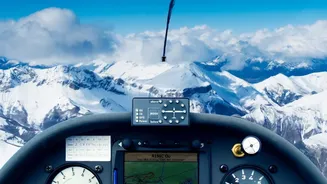
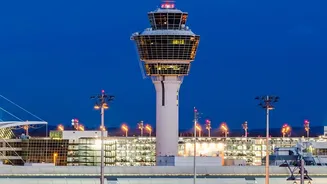
Authorities are working to open the Thoise airbase, currently used by the Indian Air Force, for commercial civilian flights. According to recent reports from August 2026, the target for commencing operations is as early as December 2026. This initiative
is part of a broader push to enhance connectivity in the strategic border regions of Ladakh, falling under the government's regional connectivity scheme (UDAN). At a high-level meeting, the Indian Air Force approved the allocation of five acres for a new civil terminal, and the existing runway is being recarpeted with a completion deadline of November 2026. The initial plan is to refurbish the existing charter-flight terminal to get operations started quickly, potentially changing how thousands access this remote Himalayan treasure.
The End of an Epic Road Trip?
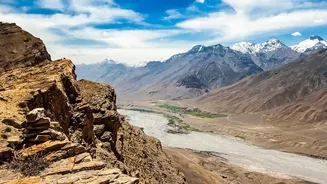
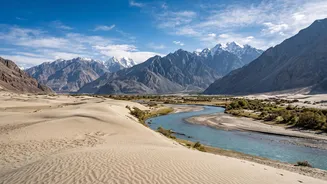
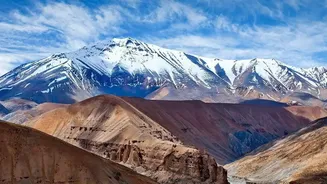
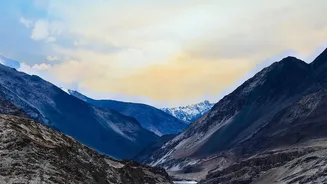
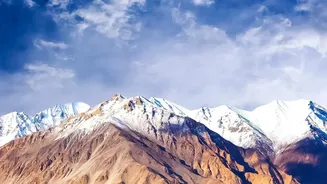
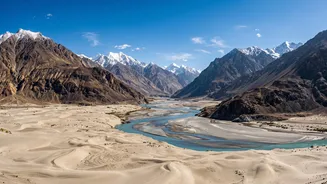
Until now, the only way to reach Nubra Valley has been via a stunning but strenuous road journey from Leh. The trip covers approximately 160 kilometres and takes about five to six hours, depending on road conditions and traffic. The main highlight—and challenge—is crossing Khardung La, one of the world's highest motorable passes, at an elevation of over 17,500 feet. For many travellers, this drive is not just a commute; it is a core part of the Ladakh experience, filled with hairpin bends, panoramic views of barren mountains, and the thrill of conquering the high pass. This journey requires at least a two-day commitment, with most travellers staying overnight in villages like Hunder or Diskit to acclimatise and explore. It is a route that has supported a micro-economy of its own, with guesthouses, cafes, and taxi services lining the way.
The Promise of Unprecedented Access
Direct flights to Thoise stand to be a game-changer for accessibility. The grueling 5-6 hour drive from Leh would be replaced by a short flight, making Nubra Valley reachable for a wider range of tourists. This includes elderly travellers, families with young children, and those with medical conditions who cannot risk the acute mountain sickness associated with a high-altitude road journey like Khardung La. Officials believe this will unlock the tourism potential of not just Nubra but also surrounding areas like Turtuk and the Siachen Base Camp, which currently require even longer road travel. Furthermore, reliable air access could pave the way for a winter tourism season, a period when road access via Khardung La is often cut off by heavy snow. For local residents, it promises faster and more reliable connectivity, especially for medical emergencies or educational purposes.
Weighing the Cost of Convenience
While the benefits are clear, the prospect of increased accessibility raises significant concerns. Ladakh's fragile ecosystem is already under strain from a growing number of tourists. Environmental groups and some locals worry that a sudden influx of visitors could lead to over-tourism, putting immense pressure on scarce resources like water and leading to a surge in waste generation. There are also economic implications. Taxi operators, guesthouses, and small eateries that depend on the road traffic between Leh and Nubra could see their livelihoods impacted. The very character of Nubra Valley—a remote, serene destination that required effort to reach—could be altered permanently. Balancing the economic boom with environmental and cultural preservation will be the single biggest challenge.