




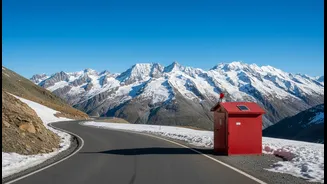




The Thin Air Problem: What is Altitude Sickness?
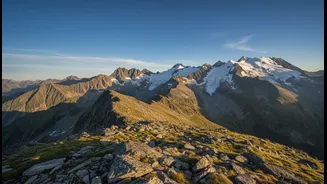
Altitude sickness, or Acute Mountain Sickness (AMS), is your body's response to the lower oxygen levels available at high elevations, typically above 2,500 metres (about 8,000 feet). As you go higher, the air pressure drops, and with each breath, you take
in less oxygen. This can lead to a range of symptoms, from a mild headache to life-threatening conditions. The main cause isn't the altitude itself, but getting to that altitude too quickly for your body to adjust, a process called acclimatization.
The Fitness Myth: Why Your Gym Time Doesn't Grant Immunity
It’s a common and dangerous misconception that being physically fit protects you from altitude sickness. Research and mountaineer experience consistently show that aerobic fitness has little to no correlation with who gets AMS. In fact, very fit individuals can sometimes be at a higher risk. Their physical capacity might tempt them to ascend too quickly or push themselves too hard on arrival, which are major risk factors. Your susceptibility is more dependent on genetics, your rate of ascent, and your personal physiological response to hypoxia (low oxygen), not how fast you can run a 10K.
Know the Signs: From Hangover to Hazard
The initial symptoms of AMS often mimic a bad hangover and typically appear within hours of arriving at a new, higher altitude. Be watchful for a persistent headache, which is the most common sign. Other symptoms include nausea or loss of appetite, fatigue or weakness, dizziness, and difficulty sleeping. Many people mistakenly blame these feelings on dehydration, a long travel day, or a tough hike, but at altitude, you must assume it's AMS until proven otherwise. Ignoring these early warnings and continuing to ascend can be a fatal mistake.
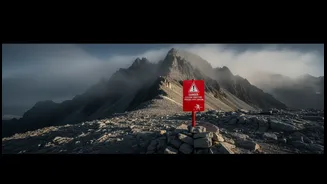
The Red Line: When It Becomes a Medical Emergency
If mild AMS is ignored, it can progress to two severe, life-threatening conditions. High-Altitude Cerebral Edema (HACE) is a swelling of the brain. Its hallmark signs include confusion, severe lethargy, loss of coordination (ataxia) — like being unable to walk in a straight line — and altered mental status. High-Altitude Pulmonary Edema (HAPE) is when fluid builds up in the lungs. This causes extreme shortness of breath even at rest, a persistent wet cough (sometimes with pink, frothy sputum), chest tightness, and blue-tinged lips or skin. Both HACE and HAPE are medical emergencies that require immediate descent to a lower altitude and medical attention.
Your Best Defence: The Art of Acclimatization
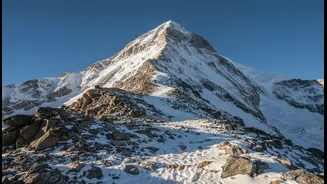
Prevention is far better than treatment, and the golden rule is to ascend slowly. The process of acclimatization allows your body to gradually produce more red blood cells and make other adjustments to cope with less oxygen. A key guideline is, once above 3,000 metres, not to increase your sleeping altitude by more than 300-500 metres per night, and to take a rest day every three or four days. The mantra "climb high, sleep low" is a practical strategy: you can hike to a higher elevation during the day but return to a lower altitude to sleep. Staying well-hydrated, eating enough calories, and avoiding alcohol for the first few days are also crucial.
What to Do When Symptoms Strike
If you start to feel the symptoms of AMS, the first and most important step is to stop ascending. Rest at your current altitude and let your body adjust; for many, mild symptoms will resolve within a day or two with rest and hydration. Over-the-counter painkillers like ibuprofen can help with headaches. If your symptoms are moderate, getting worse, or do not improve with rest, you must descend. Dropping just 300-500 metres in altitude can bring significant relief. Never let someone with worsening symptoms go down alone.