

A New Generation of Space Science
NASA's Astrophysics Pioneers program, established in 2020, represents a strategic shift in how the agency conducts space science. Instead of focusing solely on large, multi-billion-dollar flagship missions that take decades to develop, the Pioneers program funds
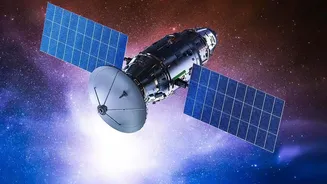
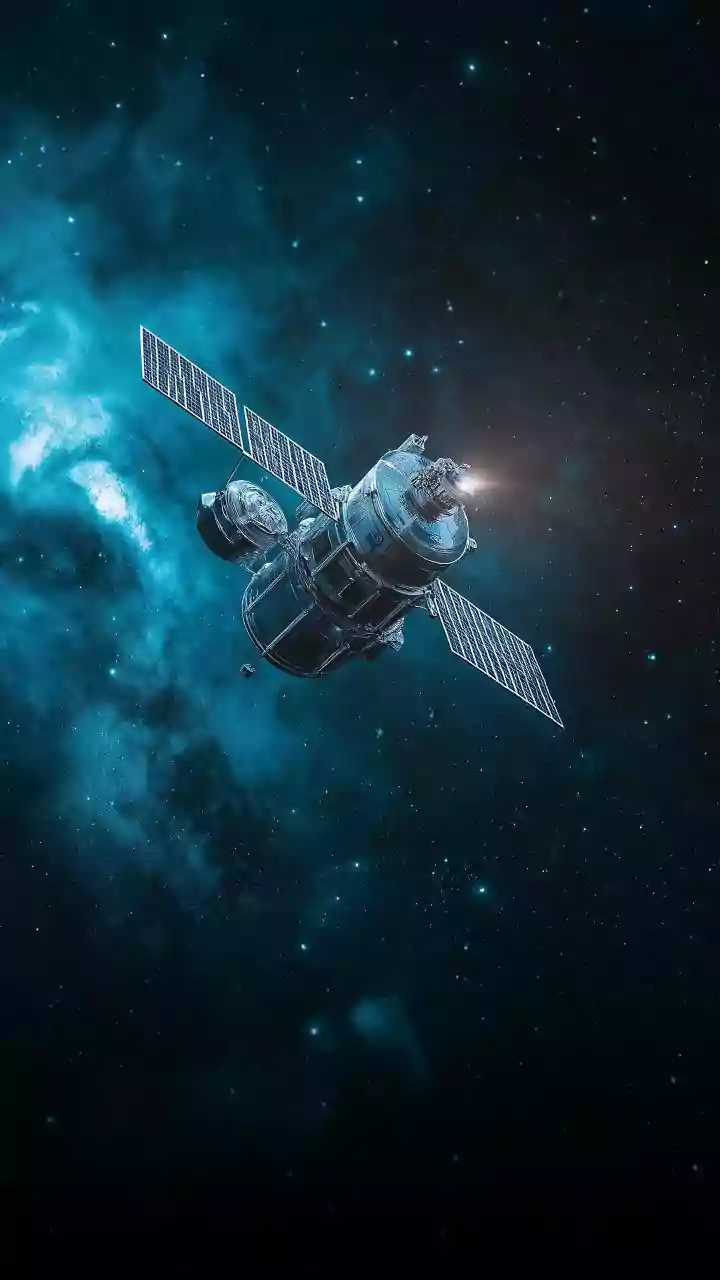
smaller, more targeted projects. With a cost cap of around $20 million per mission, it utilizes SmallSats (small satellites), scientific balloons, and payloads attached to the International Space Station to answer specific, high-impact astrophysical questions. The goal is to be more agile, accept a different level of risk for potentially high rewards, and provide crucial hands-on experience for the next generation of scientists and engineers. This approach allows NASA to explore more scientific questions, more often, filling critical knowledge gaps left by larger observatories.
Enter the PUFFINS Mission
PUFFINS, which stands for 'Polarimetry in the Ultraviolet to Find Features in InterStellar dust', is a prime example of the Pioneers program in action. It is a SmallSat mission specifically designed to investigate one of the most fundamental components of our universe: interstellar dust. Led by the University of Arizona, the mission will use a 10-inch space telescope to observe the ultraviolet (UV) light from approximately 70 different stars. By studying how this starlight is altered as it passes through clouds of cosmic dust, PUFFINS aims to solve long-standing mysteries about the size, composition, and behavior of these tiny particles. Targeted for launch in 2030, this $20 million mission will provide data on a scale that has been unavailable for decades.
Why a SmallSat Is a Big Deal
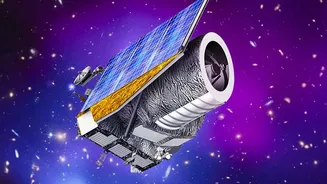
Using a SmallSat for a complex mission like PUFFINS is a significant advancement. Traditional satellites are often the size of a bus and can take a decade or more to build. SmallSats, which can range from the size of a shoebox to a mini-fridge, offer a faster and more cost-effective alternative. Their smaller size and use of off-the-shelf components dramatically shorten the development cycle, allowing scientists to respond to pressing questions more quickly. For a mission like PUFFINS, a SmallSat allows a dedicated team to focus on a very specific scientific goal without the immense overhead of a flagship program. This agility makes it possible to take on specialized investigations, like the ultraviolet spectropolarimetry PUFFINS will employ—a technique that measures the polarization of light and hasn't been used from a dedicated space mission in nearly 30 years.
The Science Locked in Dust
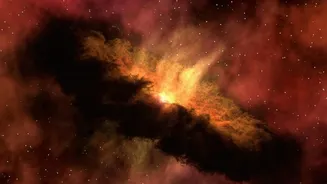
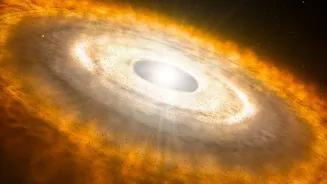
It may sound unimpressive, but interstellar dust is the literal building block of everything. These microscopic grains, some smaller than a virus, are the raw materials from which stars, planets, and even life eventually form. However, their small size makes them incredibly difficult to study with conventional telescopes. PUFFINS will get around this by measuring the polarization of UV light. As starlight passes through space, these tiny, elongated dust grains align with the galaxy's magnetic fields and leave a faint signature on the light. By measuring this signature, scientists can deduce the properties of the dust and map the invisible magnetic fields that shape our galaxy. This knowledge is crucial for understanding how galaxies evolve and the precise conditions needed to form habitable worlds.
The Bigger Picture for NASA
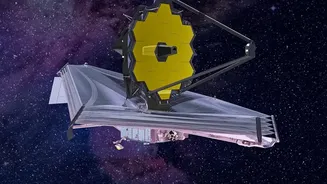
The relationship between the Astrophysics Pioneers program and the PUFFINS mission highlights a broader strategic evolution at NASA. By creating a pathway for smaller, principal-investigator-led missions, the agency is fostering innovation and diversifying its scientific portfolio. This model doesn't replace the need for massive observatories like the James Webb Space Telescope, but it complements them perfectly. Pioneers missions can test new technologies, investigate niche phenomena, and serve as pathfinders for future, larger endeavors. In fact, the findings from PUFFINS could help inform the design of the future Habitable Worlds Observatory. Ultimately, it means more science for less money, more opportunities for early-career researchers, and a more robust and responsive approach to exploring the cosmos.