



The Foundation: Smart Meal Planning
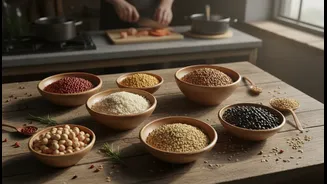
Effective meal management begins long before you turn on the stove. A solid plan is your best defence against last-minute unhealthy choices. Start by setting aside a small amount of time each week, perhaps on a Sunday, to map out your meals. You don’t
need to plan every single dish; focus on dinners and lunches for the upcoming week. A great way to start is by using theme nights like 'Meatless Monday' or 'Taco Tuesday' to simplify decision-making. Once you have a few meal ideas, create a detailed shopping list. This not only saves time at the grocery store but also helps prevent impulse buys. As you get more comfortable, you can create a rotation of your favourite weekly menus, further streamlining the process. Involving your family in the planning can also make it a more enjoyable and sustainable habit.
The Time-Saver: Efficient Cooking Strategies
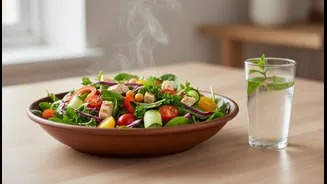
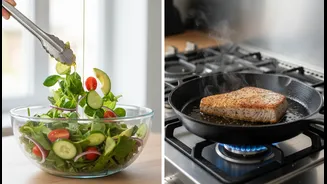
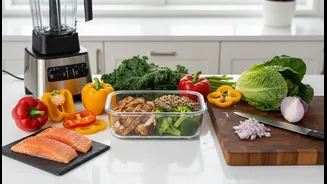
The key to spending less time in the kitchen is to cook smarter, not harder. Batch cooking is one of the most effective strategies. This involves preparing large quantities of base ingredients that can be used in various meals throughout the week. For instance, cook a large pot of brown rice or quinoa, grill several chicken breasts, or roast a big tray of vegetables. These components can be quickly assembled into salads, bowls, or stir-fries. Another fantastic tool in an Indian kitchen is the pressure cooker, which drastically cuts down cooking time for dals, legumes, and even rice. Embrace one-pot meals like khichdi, stews, or sheet-pan bakes where your protein and vegetables cook together, significantly reducing cleanup time. Pre-chopping vegetables like onions, carrots, and bell peppers and storing them in airtight containers is another game-changer for busy weekday evenings.
The Long Game: Intelligent Food Storage
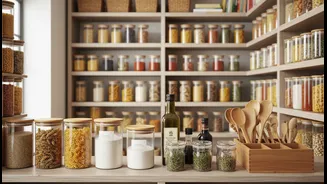
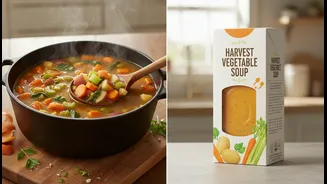
Proper storage ensures your prepped food stays fresh and safe to eat, protecting your investment of time and money. For cooked leftovers, use clear, airtight containers and label them with the date. Most leftovers are safe to eat within three to four days when refrigerated. For longer storage, the freezer is your best friend. Soups, sauces, curries, and cooked grains freeze beautifully. Consider freezing them in individual portions for quick, grab-and-go meals. When it comes to fresh produce, some simple hacks can extend their life. For example, wash berries in a diluted vinegar solution before refrigerating to prevent mould. Store fresh herbs with their stems in a glass of water, much like flowers. Understanding what freezes well and how to store different ingredients properly can dramatically reduce food waste and make your meal plan more effective.
Putting It All Together: A Weekly Workflow
Here’s how a typical week could look. On Sunday, spend about 20 minutes planning your dinners for the week and making a grocery list. After shopping, dedicate an hour or two to prep. This might involve washing and chopping all your vegetables, boiling eggs, cooking a large batch of dal, and making a base gravy for curries. You could also marinate proteins for the first few days of the week. During the week, your cooking time will be slashed. A weekday dinner could be as simple as stir-frying your pre-chopped veggies with some pre-cooked protein and serving it with the rice you made over the weekend. Leftover dal from one night can be repurposed into parathas for the next day's breakfast. This system of planning, prepping, and assembling turns cooking from a daily chore into a quick, manageable task.