

The Ambitious Projection
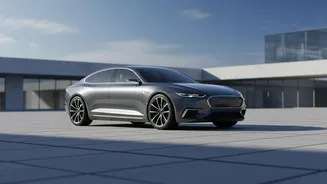
According to a recent report by India Ratings and Research (Ind-Ra), the penetration of electric vehicles in India is expected to reach 10 to 12 percent of total vehicle sales by the financial year 2027. This means more than one in ten, and nearly one in eight,
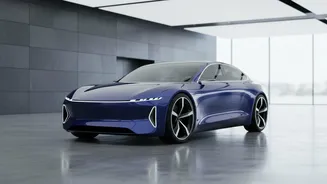
vehicles sold could be electric, a substantial leap from the 8.5 percent share recorded in the previous financial year. This growth isn't just a hopeful guess; it's a trend built on strong momentum, particularly in the two- and three-wheeler segments, which form the backbone of Indian mobility. In the 2025 financial year alone, India saw sales of over two million EVs, bringing the total number on the roads to nearly 6.5 million. This surge highlights a structural shift in the market, moving from niche adoption to mainstream consideration.
Government in the Driver's Seat
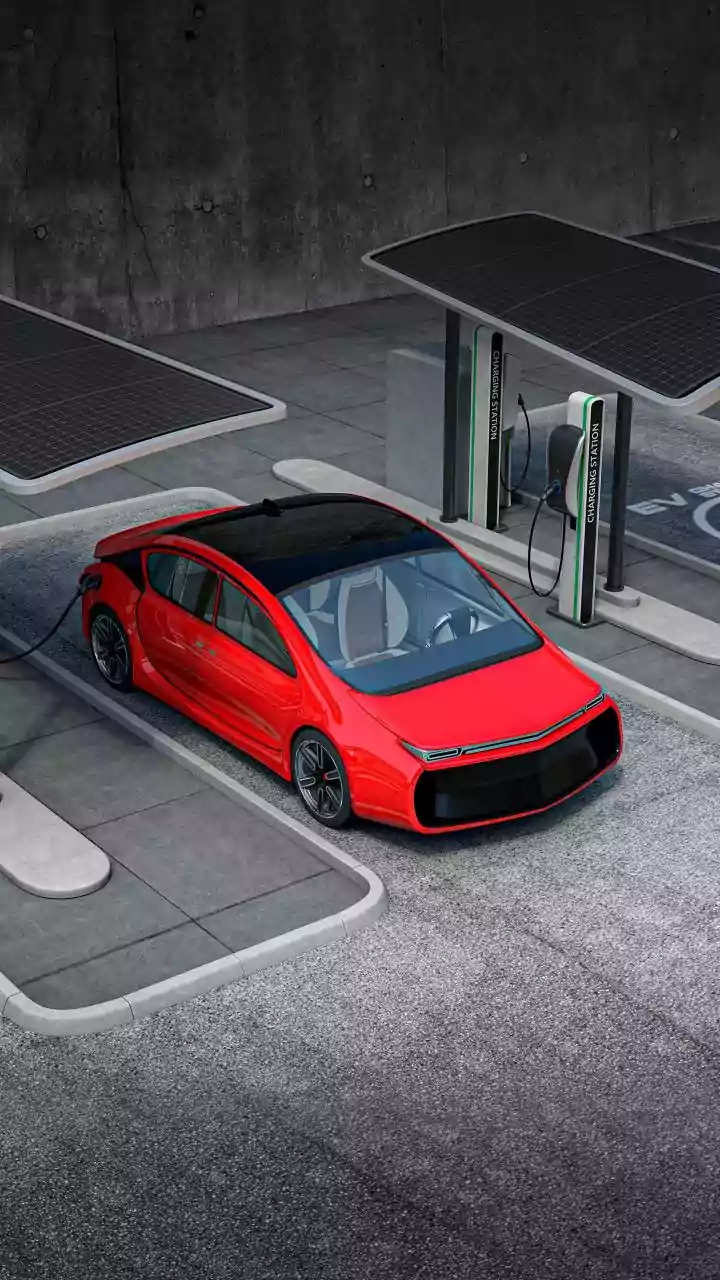
A key force behind this electric wave is a concerted push from the government. Policies like the Faster Adoption and Manufacturing of Electric Vehicles (FAME) scheme have been instrumental. Now in its anticipated third phase (FAME-III), the focus continues on providing subsidies, although potentially more targeted, and crucially, on developing a robust charging infrastructure. Schemes like the PM E-DRIVE have also been approved, allocating significant funds to incentivise the adoption of electric two-wheelers, three-wheelers, and buses, while also earmarking capital for thousands of new fast chargers nationwide. These policies aim to tackle two of the biggest consumer concerns: high upfront costs and range anxiety, making the switch to electric a more practical and financially viable decision for a broader audience.
The Two-Wheeler Revolution
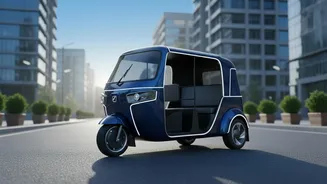
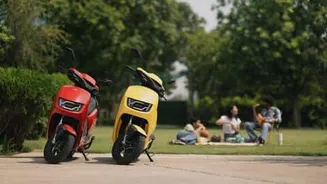
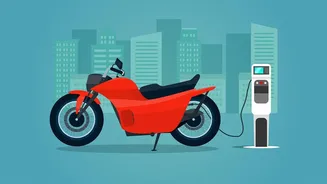
Unlike in many Western markets where the EV conversation is dominated by passenger cars, India's electric revolution is being led by scooters and motorcycles. In 2025, electric two-wheelers accounted for over 60% of total EV sales, with three-wheelers making up another 31.6%. Together, these segments constitute over 90% of the entire EV market. The reason is simple: economics. For delivery riders, small business owners, and daily commuters, the lower running and maintenance costs of an electric scooter offer a powerful financial advantage over its petrol-powered counterpart. This mass-market adoption in high-utilisation segments is what gives the Indian EV story its unique character, proving that economic necessity can be a more potent driver than environmental aspiration alone.
Industry Shifts Gears
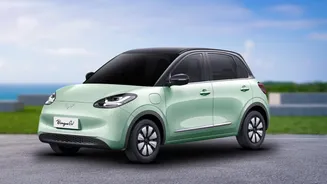
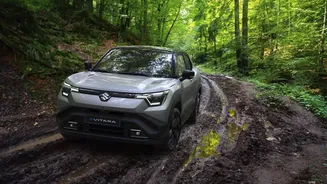
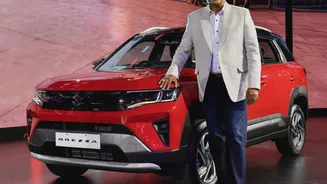
Legacy automakers and agile startups are both accelerating their EV plans. Tata Motors currently commands a significant share of the electric passenger vehicle market, but competitors are catching up. Mahindra & Mahindra has also made strong inroads, while the entry of Maruti Suzuki into the EV space in 2026 with its first electric SUV marked a pivotal moment for the industry. New strategies, such as offering a 'Battery-as-a-Service' (BaaS) model, are being explored to lower the high initial purchase price of electric cars. In the buzzing two-wheeler space, companies like TVS Motor, Bajaj Auto, and Ola Electric are locked in a competitive race, continuously launching new models and expanding their reach.
Roadblocks and Challenges Ahead
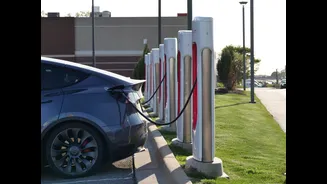
Despite the impressive growth, the road to mass electrification is not without its bumps. The most significant hurdle remains the charging infrastructure, which is still inadequate outside of major metropolitan areas. While policies are in place to expand the network, the rollout in semi-urban and rural areas is a critical challenge that needs to be addressed to quell consumer range anxiety. Furthermore, India's heavy reliance on imported lithium-ion cells for batteries poses a strategic vulnerability to global supply chain disruptions and price fluctuations. Developing a strong domestic manufacturing ecosystem, particularly for batteries, is crucial for the long-term health and stability of India's EV ambitions.