





The Lure of the Green Hills
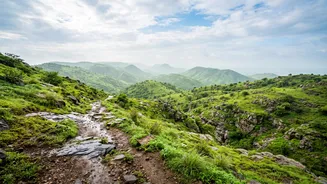
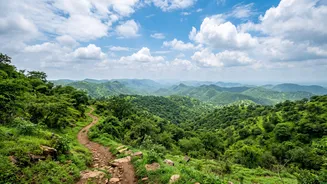
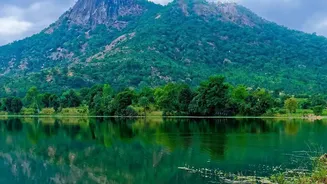
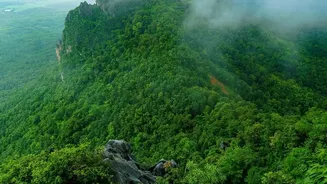
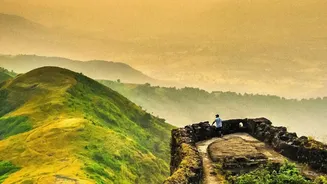
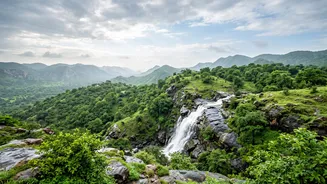
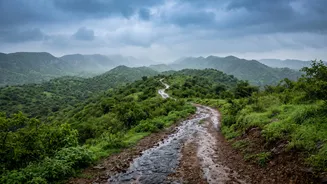
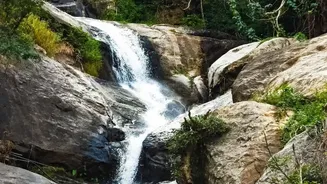
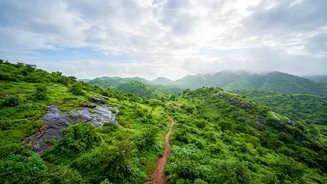
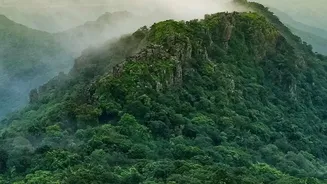
For much of the year, the Aravalli range surrounding Jaipur wears a dry, brown coat. But with the monsoon, the landscape undergoes a magical transformation. The ancient hills, older than the Himalayas, burst into shades of green, with seasonal waterfalls
and misty mornings that feel worlds away from the desert state's typical image. This has fuelled a boom in monsoon trekking, with trails like Hathni Kund and the path to Nahargarh Fort becoming weekend hotspots for locals and tourists alike. The desire for a quick escape into nature, coupled with stunning, social-media-worthy views, has seen footfall on these trails increase dramatically in recent years.
A Slippery Slope to Danger
The same rains that bring the beauty also bring significant risk. The trails, often rocky and uneven, become treacherous when wet. Incidents of trekkers slipping and injuring themselves are common. The bigger dangers, however, are more severe. Water levels in streams and pools can rise suddenly, catching people by surprise. The path to Hathni Kund, a popular waterfall trek, is known to be particularly hazardous during the monsoon, with a history of drownings in its deep, rain-fed pool. Rescue officials have noted the treacherous nature of these forest paths, making rescue operations difficult and time-consuming. Authorities warn against underestimating these risks, especially on unmarked routes.
The People Problem
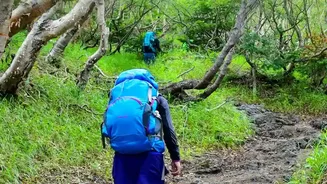
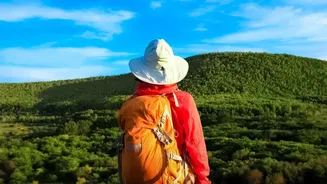
Beyond the natural dangers, the sheer volume of visitors has created a new set of problems. Popular trailheads, like the one at Charan Mandir for the Hathni Kund trek, are often chaotic, with massive crowds, especially on weekends. This overcrowding on narrow paths not only diminishes the tranquil experience of being in nature but also increases the risk of accidents. Many new trekkers are often ill-prepared, attempting the trails in inappropriate footwear like sandals and without essentials like water or a first-aid kit. This influx of inexperienced hikers puts a strain on local resources and increases the likelihood of incidents that require emergency response. Some long-time hikers now avoid popular trails due to the noise and crowds.
A Fragile Ecosystem Under Strain
The Aravallis are not just a recreational spot; they are a vital, ancient ecosystem that acts as a green lung for the region. The surge in trekking activity is leaving a visible mark. An increase in litter, particularly plastic bottles and food wrappers, is a growing concern on many trails. During the monsoon, rain can wash this waste into water channels, polluting them and harming wildlife. Increased footfall also leads to soil erosion on the trails, damaging the delicate forest floor. The long-term health of this fragile environment is at risk if the current trend of high-impact tourism continues without proper management and a collective sense of responsibility from visitors.
Finding a Sustainable Path Forward
The questions raised by Jaipur's monsoon trekking boom require a multi-faceted answer. Experts and trekking veterans suggest a number of steps, from better awareness campaigns to stricter enforcement of rules. Clearer signage indicating trail difficulty and potential dangers is a starting point. There are also calls for promoting a more responsible trekking culture, where visitors are educated about the importance of proper gear and the 'leave no trace' principle. Some have suggested implementing a permit system or requiring local guides for certain sensitive or difficult trails to manage numbers and ensure safety. Ultimately, balancing access to nature with its preservation will require a concerted effort from both the authorities and the trekking community itself.