



What Defines 'Street-Style'?
While homemade parathas are a staple in Indian households, their street-style counterparts offer a distinctly different experience. The key difference often lies in the cooking method and the bold generosity of the preparation. Street vendors typically
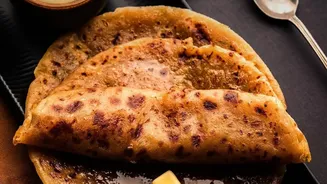
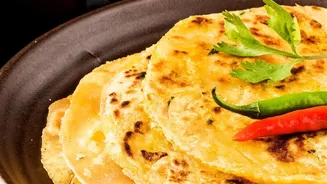
cook on large, searingly hot iron tawas, often using a liberal amount of ghee or oil. This isn't just pan-frying; it's a performance of speed and skill, resulting in a texture that’s hard to replicate at home. Some vendors shallow-fry the parathas, giving them an exceptionally crisp and layered finish that shatters with each bite. The dough is often made with whole wheat flour (atta), but some versions use all-purpose flour (maida) for a chewier, lighter texture. This high-heat, high-fat cooking method is the secret behind the paratha's golden-brown crust and famously satisfying crunch.
A Universe of Delicious Variety
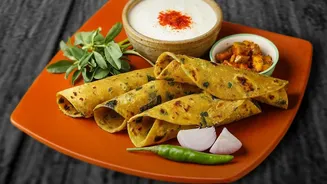
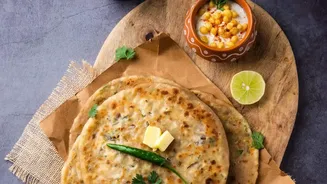
The true genius of the street-style paratha is its incredible versatility. The fillings are a universe of flavour unto themselves. The undisputed king is the aloo paratha, stuffed with a hearty mix of spiced, mashed potatoes, ginger, and fresh coriander. But the creativity doesn't stop there. You'll find everything from gobi (cauliflower) and mooli (radish) to rich paneer (Indian cheese) and savoury keema (minced meat). In Delhi's legendary Parathewali Gali, a narrow lane in Chandni Chowk, family-run shops have been serving parathas for generations, with some establishments dating back to the 1870s. Here, the fillings become even more adventurous, including unique options like cashew, mixed vegetables, and even sweet varieties. This endless innovation ensures there's a paratha for every palate and mood, from a simple snack to a substantial meal.
The Secret to the Satisfying Crunch
That signature crunch is no accident; it’s the result of meticulous technique. It begins with the dough, which is kneaded to be soft and pliable, then rested to relax the gluten. The magic, however, is in the layering. For flaky varieties like the lachha paratha, the rolled-out dough is brushed with ghee, folded multiple times like a fan or rolled into a spiral, and then flattened again. This lamination process creates dozens of paper-thin layers that separate during cooking. Cooking on a medium-high flame is crucial; it ensures the paratha cooks evenly, puffing up as steam gets trapped between the layers while the outside develops a perfect golden-brown crust. Gently pressing the paratha with a spatula encourages this puffing, ensuring a light, airy interior and an irresistibly crispy exterior.
More Than a Meal: An Edible Embrace
Beyond its taste and texture, the street paratha is a source of profound comfort. It's the go-to breakfast that provides energy for the day, a quick and filling lunch, or a satisfying late-night indulgence. For many, the taste is deeply connected to nostalgia—memories of college days, after-work snacks with friends, or family outings. The paratha is a staple of the Indian soul, an edible embrace that feels both familiar and special. Served hot off the tawa with a side of cooling yogurt, tangy pickles, or a dollop of butter, it represents a perfect culinary balance. It’s a dish that’s both humble and celebrated, a simple flatbread elevated into an art form by the skilled hands of street vendors across the country.