




The US midterm elections have reshaped Washington's political map. For India, the focus now shifts to what this new reality means for the crucial economic partnership, where the line between election outcomes and actual policy is often complex.
A New Political Equation in Washington
The 2026
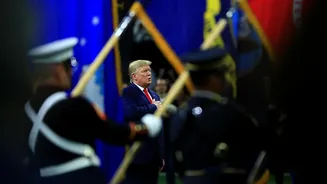
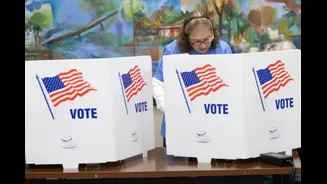
US midterm elections have resulted in a significant power shift, with the Democratic Party reportedly gaining control of both the House of Representatives and the Senate. This outcome creates a new dynamic for President Donald Trump's administration, potentially constraining his legislative agenda and increasing scrutiny of his executive decisions. While the election results reflect domestic American concerns, their ripple effects will be felt in New Delhi, particularly across trade, investment, and strategic cooperation. Experts note, however, that a change in congressional leadership does not automatically reverse existing policies, especially those implemented through executive authority.
Trade and Tariffs: Increased Pressure or More Breathing Room?
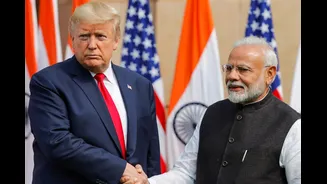
Trade remains a central and often contentious issue in the India-US relationship. A prevailing view among analysts is that the midterm setback might ironically increase pressure on India to finalize a bilateral trade deal. President Trump may seek a quick foreign policy win to demonstrate his administration's effectiveness, using his executive powers to push for a deal favorable to American agricultural and industrial goods. However, a Democrat-controlled Congress could also introduce a counterweight, as the party has shown more support for reducing tariffs on Indian goods. Some experts believe this gives India's negotiators an opportunity to push back against a one-sided agreement and hold out for more balanced terms. Despite partisan differences, a broader trend of economic nationalism and support for protective tariffs to safeguard American jobs persists across both parties, suggesting tariffs are likely to remain a feature of US policy.
The Future of Strategic Economic Pacts
Beyond bilateral trade deals, the midterm results cast a new light on multilateral initiatives like the Indo-Pacific Economic Framework for Prosperity (IPEF). While some pillars of the IPEF concerning supply chains and clean energy have moved forward, the crucial trade component has been stalled since late 2023. The broader strategic partnership in the Indo-Pacific, aimed at countering China's influence, has historically enjoyed bipartisan support. However, a divided government could lead to debates over funding and priorities. Democrats and Republicans show differing levels of enthusiasm for military versus technological cooperation with India. For strategic economic frameworks to advance, they will need to navigate a landscape where domestic political battles in Washington could slow down or alter longterm foreign policy commitments.
Tech Talent and the H-1B Visa Question
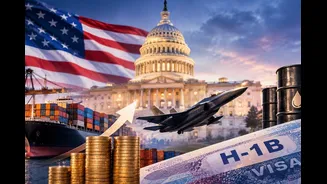
For India's vast technology sector, US immigration policy is a critical economic issue. The H_1B visa program, a key pathway for Indian professionals, has faced restrictions and administrative changes. While a Democratic_controlled Congress is expected to bring greater scrutiny to these restrictive policies, immediate relief is unlikely. Changes to visa rules are often made through administrative actions by agencies like the Department of Homeland Security (DHS), not directly through legislation. Therefore, while the political climate for a debate on high_skilled immigration may improve, any reversal of current policies or an increase in visa availability would require either new legislation or a change in the executive branch's administrative approach. Indian professionals and IT companies should expect the existing framework to remain in place for the near future, even as the conversation in Washington potentially shifts.