





The Centralisation of Control
The core of the recent changes is a move by the central government’s Department of Space (DoS) to tighten its grip on personnel decisions within ISRO. In a memorandum issued in mid-July 2026, the DoS reversed a 2020 policy that had given directors of individual
ISRO centres the authority to approve resignations and voluntary retirements. Now, all such requests from scientists and engineers working on critical national projects must be sent to the DoS for a final decision. This centralisation of power is officially aimed at preventing disruptions to flagship missions, such as the Gaganyaan human spaceflight program, by stemming the loss of experienced personnel. However, some former and current officials argue this increased centralisation has been slowing down processes and reducing the operational flexibility that has long been a hallmark of ISRO’s success.
An Exodus of Experience
The government's directive was not unprompted. It followed a significant wave of departures from the space agency, with reports indicating that between 100 and 120 scientists have resigned or taken voluntary retirement in recent months. The attrition has hit key facilities hard, with Bengaluru's U R Rao Satellite Centre (URSC) reportedly losing nearly 80 scientists and the Vikram Sarabhai Space Centre (VSSC) in Thiruvananthapuram seeing around 20 exits. These aren't junior members; the list of departures includes high-profile leaders like the LVM-3 project director and the project manager for simulations for the historic Chandrayaan-3 mission. The loss of this institutional knowledge is a major concern, as the expertise developed over decades in complex areas like propulsion systems, navigation, and mission planning is difficult to replace quickly.
Mission Disruption Concerns
The primary fear is what this brain drain means for India's ambitious space agenda. Projects like Gaganyaan, the planned Bharatiya Antariksh Station, and future lunar missions require immense, specialised expertise. The sudden departure of senior scientists can disrupt team continuity, cause project delays, and remove vital mentorship for younger engineers. For example, Aditya Rallapalli, the simulation manager for Chandrayaan-3 who has reportedly left, led a team that generated 25 terabytes of data from over 100,000 tests to validate the moon landing—a task that highlights the irreplaceable value of experienced leaders. While ISRO has officially stated that projects will remain on track, the government’s move to restrict exits implicitly acknowledges that retaining this talent is now a strategic priority.
The Pull of the Private Sector
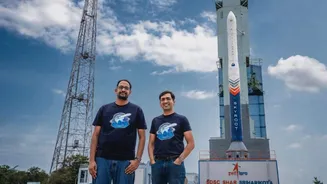
The government’s decision to open the space sector to private participation in 2020 has been a double-edged sword. On one hand, it has spurred a vibrant ecosystem of startups like Skyroot Aerospace and Agnikul Cosmos, which are revolutionizing the industry. On the other, these well-funded private firms are creating fierce competition for talent. They offer significantly higher salaries, stock options, and an agile work environment that can be more appealing than the structured, slower-paced government pay scales and promotion ladders at ISRO. For many scientists, the private sector offers a chance to build things from scratch and see projects move from planning to implementation much faster. This flow of talent from the public institution that trained them to the private market it helped create is at the heart of the current crisis.
What is at Stake for India?
For decades, ISRO has been more than just a space agency; it has been a symbol of national pride, scientific achievement, and strategic autonomy. Its ability to execute complex, cost-effective missions has given India a leading role in the global space economy. This legacy was built on a culture of scientific purpose and national service that compensated for lower pay. The current exodus suggests that this compact is under strain. The challenge for the government and ISRO leadership is to navigate this new era. They must find a way to balance the strategic need for a strong public space program with the commercial realities of a booming private industry. Failing to address the root causes of the departures—including pay, career progression, and bureaucratic hurdles—could jeopardize India’s ability to execute its most ambitious future missions and maintain its hard-won standing in space.