

Mount Etna, Italy
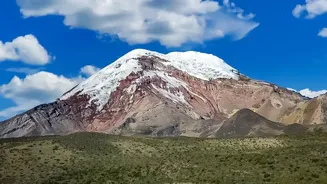
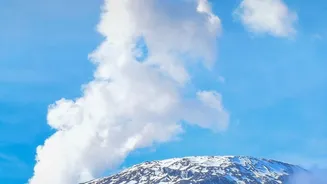
Dominating the Sicilian skyline, Mount Etna is one of the world's most active and accessible volcanoes. Tourism here is a well-oiled machine, with a cable car and 4x4 buses taking visitors to authorized zones. However, access is tiered and directly linked
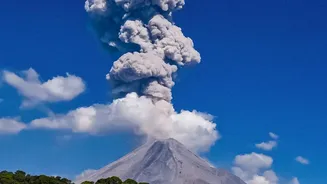
to volcanic activity. As of August 2026, intense explosive activity has been reported, leading to ash plumes and the temporary suspension of arriving flights at nearby Catania Airport. Municipal ordinances dictate how high you can go. During calm periods (Alert Level F0), guided hikes can reach the summit craters. But when activity increases (F1 or F2), access is strictly limited to lower altitudes, often below 2,900 meters. The rule is simple: the volcano decides the itinerary. Always book with a licensed volcanological guide who is in constant contact with authorities and can make real-time safety decisions.
Kīlauea, Hawaii, USA
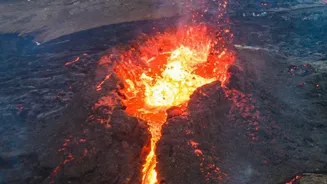
Located in Hawaiʻi Volcanoes National Park, Kīlauea offers one of the most dramatic volcanic spectacles on the planet. The park is open 24/7, and no special reservation is needed for entry as of 2026. However, what you can see and do is entirely dependent on Kīlauea's episodic eruptions. Since late 2024, the volcano has entered a phase of repeated eruptive episodes, sometimes lasting only hours or days, followed by quiet pauses. The core rule here is respecting closures. All active lava is currently confined to Halemaʻumaʻu Crater, within a strictly closed area due to extreme hazards like unstable cliffs and toxic gases. Safe viewing is available from numerous overlooks along the crater rim, such as Kīlauea Overlook and Uēkahuna. Officials stress checking the park's official website and air quality monitors before and during your visit, as conditions can change rapidly.
Pacaya, Guatemala
A popular day trip from Antigua, Pacaya offers the quintessential adventure of roasting marshmallows over geothermal vents in a lunar-like landscape of dried lava fields. Though it last had a major eruption in 2021, Pacaya remains active and requires caution. As of August 2026, tours to Pacaya are fully operational. The most important rule is that you cannot hike Pacaya without an official guide; this is a mandatory park regulation for safety. While the trek is considered one of Guatemala's easier volcano hikes, it's not without risks, and using a certified guide ensures you're following approved routes and are aware of current conditions. The experience has changed over the years; seeing flowing red lava is rare now. The focus is on the heat, the steam, and the powerful terrain shaped by recent activity.
Villarrica, Chile
The snow-capped, perfectly conical Villarrica is a jewel of Chile's Lake District. Climbing this highly active volcano is a serious undertaking and is heavily regulated. The most critical rule is that all non-professional climbers must be accompanied by a certified mountain guide to secure the mandatory permit. Access is contingent on the official alert level set by SERNAGEOMIN; hikes are immediately suspended if the alert is raised above Yellow. The 7-to-9-hour climb involves navigating steep snowfields and loose volcanic rock, requiring equipment like crampons and an ice axe, which are provided by tour agencies. Due to the risks, operators enforce a minimum age, often 18, and require climbers to be in good physical condition. Even the time spent at the crater, famous for its intermittent lava lake, is limited to about 10 minutes to minimize exposure to gases.
Reykjanes Peninsula, Iceland
Since 2021, the Reykjanes Peninsula near Iceland's capital has awakened from an 800-year slumber, with multiple eruptions creating a raw, new landscape. Unlike a single mountain, this is a broad volcanic system. The rules here are fluid and enforced with extreme seriousness by Icelandic authorities. The number one resource for any potential visitor is the website Safetravel.is, which provides real-time information on closures, trail conditions, and gas warnings. Access to eruption sites is entirely dependent on official safety assessments; trails may be open one day and closed the next due to gas pollution or new volcanic activity. While eruptions have impacted the town of Grindavík and the Blue Lagoon, the rest of Iceland remains unaffected. For visitors, the only safe way to approach these areas, when permitted, is by staying on marked paths and, ideally, joining a guided tour.
Acatenango, Guatemala
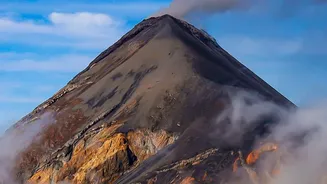
The Acatenango overnight hike is one of Central America's most sought-after adventures for a reason: it offers a front-row seat to the near-constant eruptions of its fiery neighbor, Volcán de Fuego. As of August 2026, guided overnight hikes on Acatenango are open and operating normally. This trek is challenging, leading to a high-altitude base camp, and should only be attempted with a reputable, certified guide service. Recent rule changes highlight the evolving nature of volcano tourism here. In July 2026, authorities permanently banned all 4x4 vehicle tours on the volcano to protect the environment, meaning the only way up is on foot. The ban underscores a growing focus on sustainable and safe access. Choosing a certified operator is crucial, as they are required to follow safety protocols and stay updated on Fuego's activity, which dictates the safety of the entire experience.