

A Healthier Twist on a Classic Snack
Cutlets are a perennial favourite across India, enjoyed as an evening snack, a party appetiser, or a lunchbox treat. Traditionally, potatoes or breadcrumbs form the base, acting as a binding agent for vegetables and spices. However, chef Kunal Kapur has
popularised a modern, health-conscious alternative: using cooked millets. This innovation ditches the usual high-carbohydrate fillers for a nutrient-dense grain, making the snack lighter, healthier, and surprisingly more flavourful without relying on agents like cornflour for binding.
The Magic of Millets
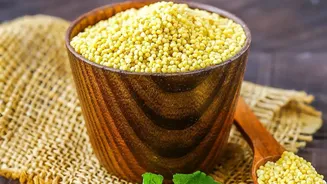
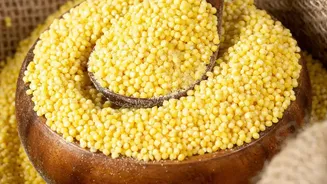
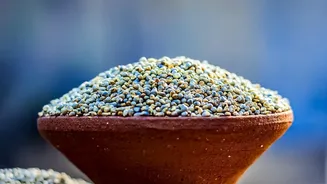
Millets are ancient grains making a major comeback, and for good reason. They are naturally gluten-free, rich in dietary fibre, and packed with essential minerals. Chef Kapur specifically uses barnyard millet, also known as 'samak rice', for his cutlets. This particular millet is light on the stomach and cooks to a soft, slightly sticky consistency, which is ideal for binding. Using millets instead of potatoes not only boosts the protein and fibre content but also adds a subtle, nutty flavour that complements the spices beautifully. This makes the cutlets more satiating, turning a simple snack into a more balanced and wholesome bite.
Why a 'Cooked' Millet Mixture is Key
The secret to this recipe's success lies in the preparation of the millet. Instead of using millet flour or raw grains, Chef Kapur cooks the barnyard millet with water and vegetables until it forms a thick, dough-like consistency. This pre-cooking step is crucial. It ensures the cutlets have a soft, melt-in-the-mouth interior, rather than a dry or gritty texture. Cooking the millet first allows it to fully absorb the flavours of the spices and vegetables, distributing the taste evenly. Furthermore, the starch released during cooking acts as a natural binder, holding the patties together firmly without the need for potatoes or bread.
Chef Kapur’s Method Deconstructed
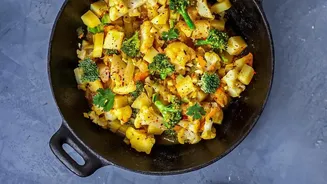
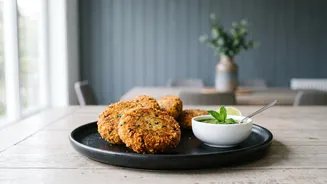
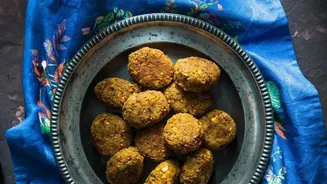
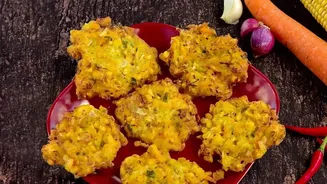
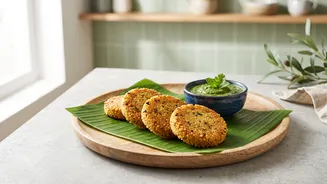
Recreating this dish at home is surprisingly straightforward. The process begins by tempering spices like cumin seeds, asafoetida, and curry leaves in a little oil. A variety of finely chopped vegetables such as carrots, French beans, corn, and peas are then added, along with roasted peanuts and cashews for crunch. After adding water and bringing it to a boil, the barnyard millet is gradually stirred in to prevent lumps. The mixture is cooked until it becomes thick and pulls away from the sides of the pan. Once cooled, fresh coriander is mixed in, and the mixture is shaped into patties. These are then shallow-fried in ghee or oil until golden brown and crisp on both sides.
Tips for the Perfect Millet Cutlet
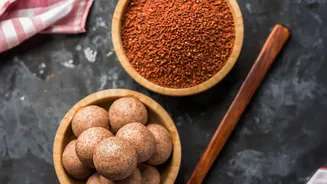
To ensure your millet cutlets are a success, follow a few simple tips. First, be patient while cooking the millet mixture; it needs to be thick enough to hold its shape. If the mixture is too wet, the cutlets may fall apart. Allow the cooked mixture to cool down to room temperature before shaping the patties, as this makes it much easier to handle. When shaping, press the mixture firmly together. For an extra crispy exterior, you can roll the patties in a coarse powder of ground red poha (flattened rice) before frying, a technique suggested in other healthy cutlet recipes. These cutlets are best served hot, paired with green chutney or a simple yogurt dip.