


Meet the 'Strong' Spice: Asafoetida
Asafoetida, known as hing in India, is a resin extracted from the root of a plant in the fennel family. In its raw form, its sulfurous smell is famously strong. However, the most important rule of cooking with hing is that it must be cooked in hot fat,
a technique called 'tadka' or tempering. Just a small pinch sizzled in hot oil or ghee for a few seconds completely transforms it. The aggressive aroma mellows into a warm, savory flavor reminiscent of onion and garlic, adding an incredible umami depth to dishes. For this reason, it is a cornerstone of many Indian vegetarian cuisines, especially those that traditionally omit onion and garlic. The trick is that less is always more; for a dish serving four, a mere ⁱ/⁸ to ¼ teaspoon is often all you need.
1. The Foundational Dal Tadka
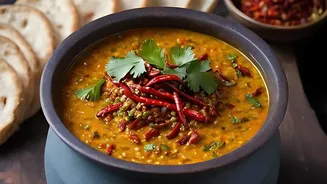
Perhaps the most classic application of hing is in a dal tadka. In this simple lentil dish, hing provides the foundational savory note. After boiling lentils like toor dal or moong dal until soft, a final tempering is prepared. Ghee or oil is heated in a small pan, cumin seeds are added, and once they splutter, a pinch of hing is tossed in. It sizzles for just a few seconds before other ingredients like dried red chilies or garlic are added. This aromatic mixture is poured over the cooked dal, infusing the entire dish with a rich, complex flavor that would be noticeably absent without it. It also aids in digesting the lentils.
2. Simple Potato Sabzi
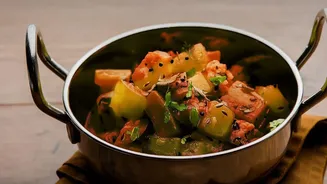
A humble potato stir-fry, or aloo sabzi, is elevated from simple to sublime with the correct use of hing. In many North Indian preparations, the cooking process begins by heating oil and blooming a pinch of hing and cumin seeds. Boiled and cubed potatoes are then added to the pan along with other powdered spices like turmeric and coriander. The hing doesn't just add its own flavour; it works as a powerful enhancer, bringing out the earthiness of the potatoes and the warmth of the other spices. The result is a deeply flavorful potato dish that relies on technique rather than a long list of ingredients.
3. Aromatic Vegetable Pulao
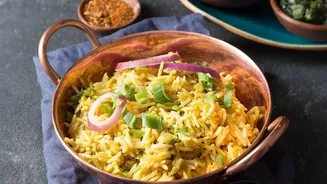
While not always included, a whisper of hing in a vegetable pulao or any simple rice dish creates a subtle but significant layer of savory flavour. When preparing the base for the pulao, a pinch of hing is added to the hot oil along with whole spices like cinnamon, cloves, and bay leaves. It provides a background umami flavour that beautifully complements the sweetness of vegetables like carrots and peas. It’s a perfect example of how hing can be used for depth rather than as the primary flavour, providing a restaurant-style richness that is hard to achieve otherwise.
4. The Quintessential Sambar
In South Indian cooking, hing is an essential component of spice blends like sambar powder and is also used in the final tempering. Sambar, a tangy and spicy lentil stew with vegetables, gets its characteristic aroma from a tadka of mustard seeds, curry leaves, dried red chilies, and a generous pinch of hing sizzled in ghee or oil. The hing works to balance the sourness of the tamarind and the richness of the lentils, creating a well-rounded and aromatic stew. Its inclusion is considered non-negotiable for an authentic sambar flavour.
5. A Quick Cabbage Stir-Fry (Sambharo)
A Gujarati cabbage stir-fry, known as sambharo, is a brilliant showcase for hing. The recipe is incredibly simple: shredded cabbage and sometimes carrots are quickly sautéed in a tempering of hot oil, mustard seeds, and a notable amount of hing. Unlike in dal where it’s a background note, here the flavor is more prominent, lending an onion-like sweetness that perfectly complements the crunchy cabbage. It proves that when bloomed correctly, hing can be used more assertively without becoming overpowering, transforming a simple vegetable into a truly delicious side dish.