



The Old Way: A Race Against Time
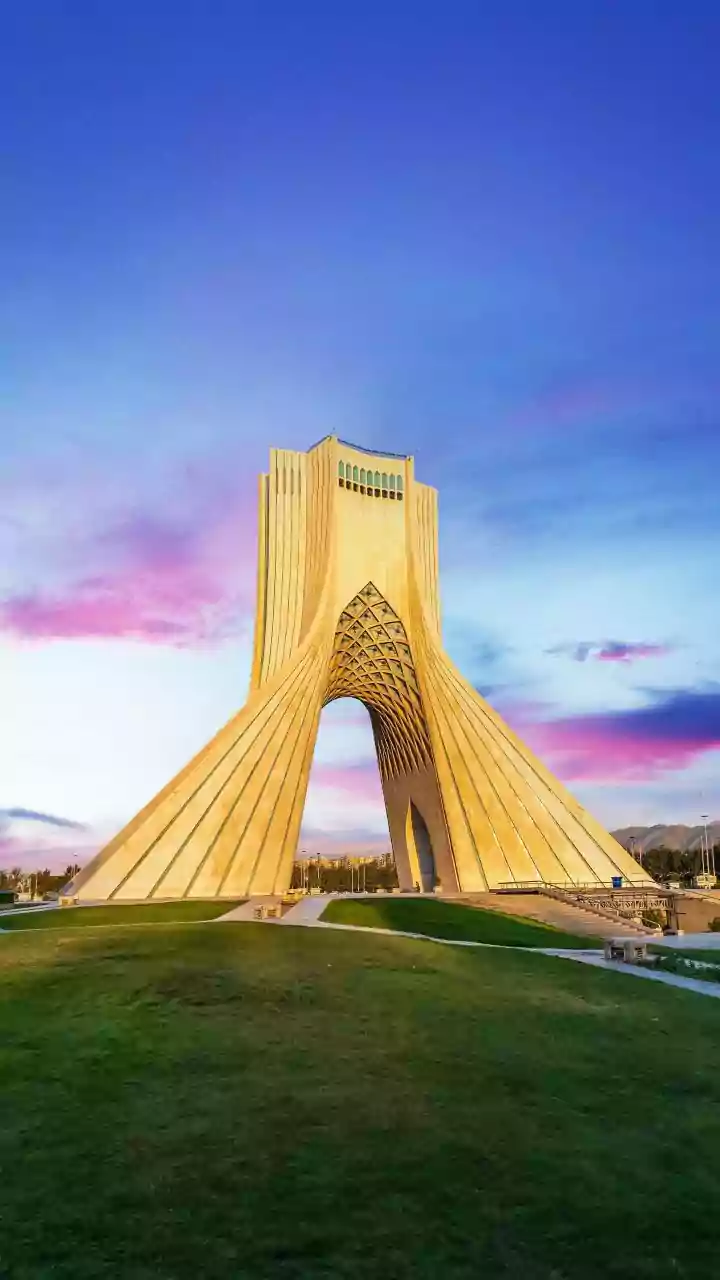
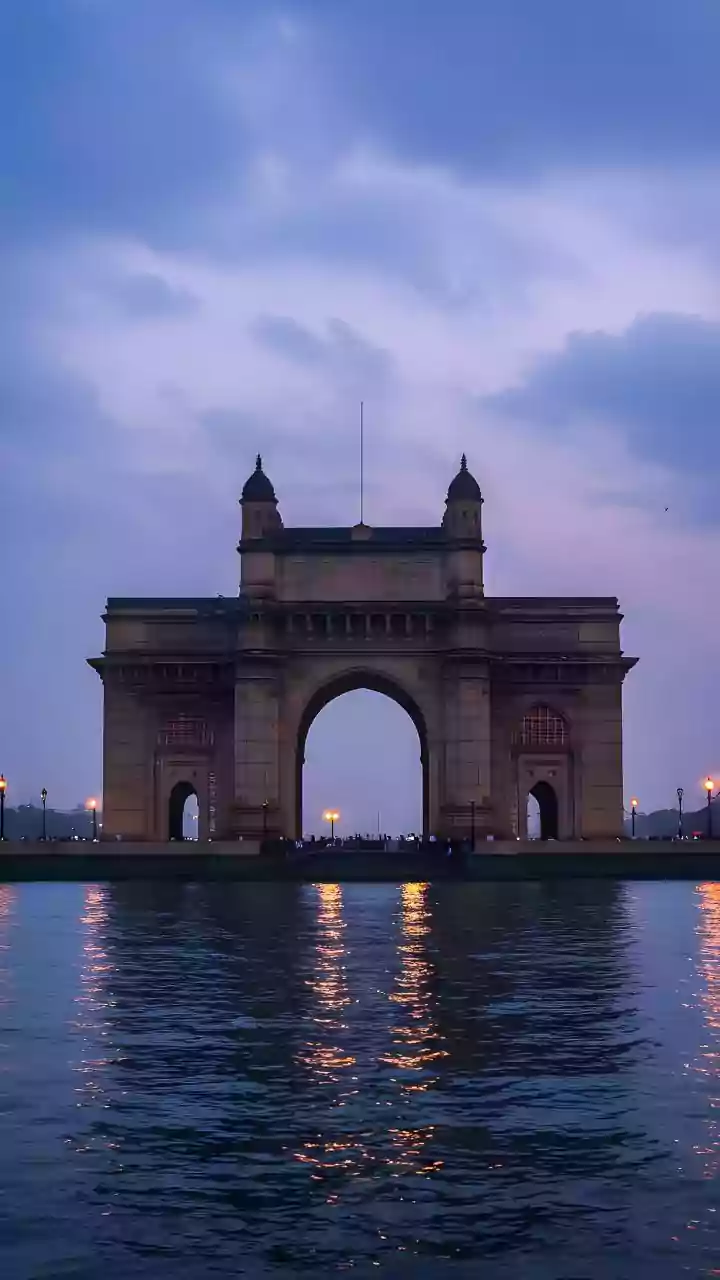
For decades, the hallmark of a successful holiday for many Indian families was the sheer number of stamps in a passport or cities ticked off a list. Think 'Europe in 10 days' or a domestic tour covering five states in a week. This approach was born from
a desire to maximise precious vacation time and see as much of the world as possible. Travel was a badge of honour, and a packed itinerary was proof of a trip well-spent. The photo album was a collection of landmarks, a visual tally of destinations conquered. The experience was often a blur of bus rides, quick meals, and a constant cycle of packing and unpacking, leaving travellers in need of a vacation from their vacation.
The Shift to Immersive Journeys
Now, a quieter, more deliberate style of travel is gaining momentum. Known as 'slow travel', this philosophy rejects the frantic pace of traditional tourism. It's not about being lazy; it's about being present. Instead of rushing through multiple destinations, travellers are choosing to spend their entire holiday in one region, city, or even a single neighbourhood. The focus is on connection—with the local culture, the food, the people, and the natural rhythm of a place. According to a recent report, 84% of Indian travellers say their interest in culture-led travel has grown, indicating a significant change in holiday planning. This represents a move from being a tourist who simply observes to a traveller who participates.
What’s Driving This Change?
Several factors are fuelling this evolution. As Indians become more experienced globetrotters, the novelty of simply collecting passport stamps wears off. The desire for more authentic and meaningful experiences has taken its place. The post-pandemic world has also placed a new premium on well-being and rest, with many travellers actively seeking to escape the structured, high-pressure nature of their daily lives. Furthermore, the rise of remote and hybrid work models allows for longer stays, blurring the lines between work and leisure. This enables travellers to settle into a destination for weeks, rather than days, and explore it with the patience of a local, not the urgency of a tourist.
The Joy of Missing Out
The benefits of this slower approach are profound. By eliminating the stress of tight schedules and constant movement, travellers return home feeling genuinely rested and rejuvenated. Staying in one place fosters deeper cultural immersion, allowing for spontaneous discoveries that are impossible on a rigid itinerary. Instead of a superficial snapshot, you get a rich, detailed portrait of a place. This style of travel is also more sustainable. It often means taking fewer flights and supporting locally-owned businesses, from homestays to small restaurants, ensuring that tourism spending benefits the host community directly. In essence, travellers are discovering the joy of missing out on a hectic schedule in favour of richer, more memorable moments.
Putting Slow Travel into Practice
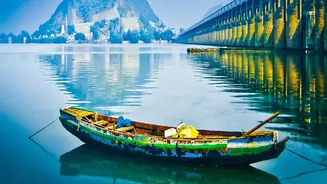
Embracing slow travel doesn't require a radical overhaul of your plans. It's a change in mindset. Instead of planning a multi-country trip, consider exploring one region in depth, like the backwaters of Kerala or the tea estates of Assam. Instead of rushing between museums in a major city, spend an afternoon in a single café, observing daily life. Rent a cottage in the hills for a week with no fixed agenda other than to read and take long walks. Engage with locals beyond transactional encounters; ask your homestay host or a shopkeeper for their recommendations. It is in these unscripted moments—the chance encounters and unplanned detours—that the true magic of travel is often found.