







What Exactly Has Changed?
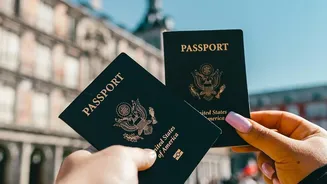
Effective from late 2025, Indian citizens holding ordinary passports can no longer enter Iran without a visa. The visa-waiver facility, which allowed a 15-day stay for tourism purposes without prior application, has been officially suspended. This means
all Indian travellers, whether for tourism, business, or transit, must now secure a visa before their departure to Iran. The change was confirmed by India's Ministry of External Affairs (MEA) and affects all entry points, including air and land borders. The previous rule, introduced in February 2024, permitted visa-free entry for a 15-day tourism trip once every six months. This has now been completely revoked.
Why Was the Visa Waiver Scrapped?
The primary reason for the suspension is the misuse of the visa-waiver facility by criminal networks. According to advisories from the Indian government, there have been numerous incidents of Indian nationals being lured to Iran with fraudulent job offers or false promises of onward travel to other countries. Upon arrival, many were reportedly kidnapped by criminal gangs who then demanded ransom from their families in India. The MEA stated that the visa-free system, originally intended to boost tourism and cultural exchange, was being exploited. In response, Iranian authorities suspended the program to prevent further criminal activity and enhance security monitoring of foreign arrivals.
The Short-Lived Open-Door Policy
The visa-waiver program for Indians was part of a broader Iranian initiative to stimulate its tourism sector. In February 2024, Iran announced visa-free entry for citizens of 28 countries, including India, Saudi Arabia, the UAE, and Japan. The goal was to attract more visitors to its rich cultural and historical sites, such as the ancient city of Persepolis and the architectural wonders of Isfahan and Shiraz. For Indian tourists and pilgrims, especially those visiting significant Shia shrines in cities like Qom and Mashhad, the policy removed a significant bureaucratic hurdle. However, the exploitation of this goodwill gesture for criminal purposes led to its termination just over a year and a half after it was introduced.
What This Means for Indian Travellers Now
If you are planning a trip to Iran, the key takeaway is that you must apply for a visa in advance. Spontaneous, visa-free trips are no longer possible. Indian nationals will need to go through the formal application process, which may involve applying for an e-visa or visiting an Iranian consulate. The MEA has strongly advised all potential travellers to be extremely vigilant and to avoid any agents or recruiters who offer visa-free travel or employment in Iran. It is crucial to verify all job offers and use only authorized channels for any work-related travel. For tourism, travellers should consult the official websites of the Iranian embassy or consulates in India for the most up-to-date visa requirements, procedures, and necessary documentation before booking any flights or accommodation.
A Setback for Passport Power
The suspension has also had a minor but noticeable impact on the strength of the Indian passport. According to the Henley Passport Index for 2026, the number of destinations accessible to Indian passport holders without a prior visa fell from 57 in 2025 to 55. This was partly due to Iran's policy change, along with similar revisions by countries like Bolivia and Cape Verde. While passport rankings fluctuate regularly due to evolving diplomatic agreements and security concerns, the removal of Iran from the visa-free list represents a small step back in the otherwise growing trend of increased global mobility for Indian citizens.