






The Digital Mess We Live In
Think about the last important document you had to find. Was it a PDF of your Aadhaar card, a signed contract, or a child's school report? Chances are, you had to check multiple apps. Maybe it was in a WhatsApp chat, an email attachment, or saved in Google
Drive or Dropbox. This digital disarray is more than just an inconvenience; it's a significant privacy risk. Every time a file is saved or shared in a different app, a copy is created. This duplicates data, consumes storage, and, most importantly, expands the number of places where your sensitive information could be compromised. Each app acts as a separate silo, often with broad permissions to access your files, creating a fragmented and vulnerable digital environment.
A New Approach to Privacy
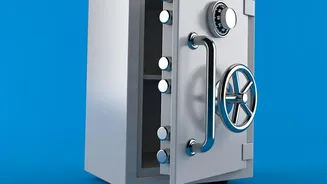
Imagine a different model: a single, master folder on your device that acts as a secure vault for all your important documents. This isn't just another folder; it's an encrypted one. Encryption acts like a digital lock, scrambling your data so that only you, with the right key, can access it. The crucial difference is that this folder would sit outside of your individual apps. Instead of apps storing their own copies of your files, they would request access to the original document in this central vault. This concept shifts control from the app developers back to you, the user. It creates a 'single source of truth' for your documents, ensuring that you always know where the definitive version is located and that it remains protected.
How Does It Actually Work?
The magic of this system lies in how it manages permissions. When an app needs to open a document, it wouldn't be granted free rein to scan your entire vault. Instead, the operating system would act as a gatekeeper. You would be prompted to grant the app temporary, specific access to only the file it needs. The app could open and edit the document, but it wouldn't be able to copy it to its own private storage or snoop on other files in your vault. This is a move away from the all-or-nothing permissions that many apps currently demand. Some platforms are already using similar ideas; for instance, third-party tools like Cryptomator create encrypted 'vaults' that can be stored in the cloud, and operating systems are increasingly isolating app data to enhance security. The 'one folder' concept takes this a step further by integrating it seamlessly into the user experience across all applications.
The Benefits of Centralised Security
The advantages of such a system are enormous. Firstly, it brings unparalleled organisation to your digital life. No more hunting for files across a dozen different services. Secondly, it drastically enhances your privacy and security. By minimising data duplication and controlling access on a file-by-file basis, you reduce the risk of a data breach in one app compromising your entire digital life. It also means apps can't analyse your files for marketing or other purposes without your explicit consent. For businesses, this model offers a streamlined way to manage sensitive corporate data, like contracts or employee records, ensuring compliance and reducing the risk of leaks.
Is This the Future or a Fantasy?
While a single, universally adopted encrypted folder is not yet a standard feature on all devices, the technological foundations are being laid. Major technology companies are increasingly focused on privacy-centric features, and the demand for user control over data is growing. The main challenge is implementation. It requires cooperation between operating system developers and app makers to adopt a new standard for file handling. Some may be reluctant, as direct data access is valuable. However, as users become more aware of privacy issues, features like a secure, centralised document vault could become a major selling point for new devices and software platforms. For now, users can achieve a similar result by using dedicated encrypted container apps, but the goal is to make this level of security automatic and effortless.