

The Undisputed King of Comfort
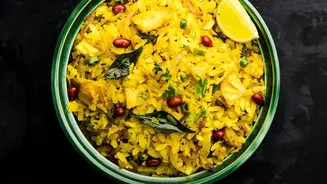
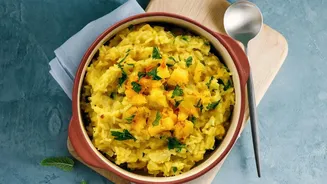
Across India, khichdi is synonymous with comfort, care, and recovery. It’s often the first solid food given to babies and the go-to meal during illness, recommended for its gentle, easy-to-digest nature. The simple combination of a grain and a lentil,
cooked until soft, provides easily accessible energy and protein without straining the digestive system. This soothing quality is not just physical; it's deeply psychological. The aroma and warmth of a simple khichdi often carry memories of being cared for, making it an emotional reset button in a world of complex, stimulating foods.
The Millet Makeover: A Fibre Powerhouse
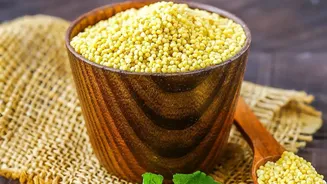
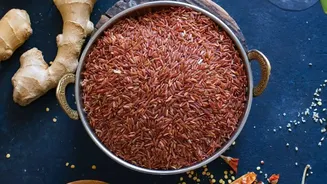
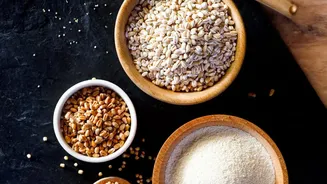
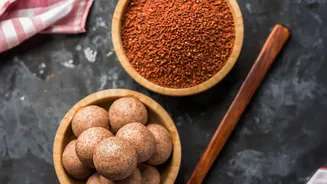
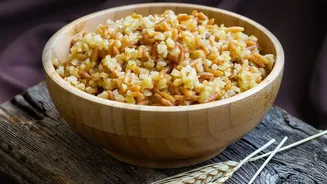
While traditional khichdi is nourishing, replacing white rice with millets elevates it from a simple comfort food to a nutritional powerhouse. Millets like foxtail, barnyard, kodo, and ragi are packed with dietary fibre, often containing significantly more than polished white rice. For instance, barnyard millet contains exceptionally high levels of fibre. This fibre is crucial for digestive health. It adds bulk, promotes regular bowel movements, and helps prevent constipation. Furthermore, the high fibre content in millets helps you feel fuller for longer, which can aid in weight management.
Pulses: The Protein and Fibre Partners
Pulses, or dals, are the other half of the classic khichdi equation, and they are nutritional stars in their own right. Lentils like moong, masoor, and toor (arhar) are excellent sources of plant-based protein and also contribute significantly to the meal's fibre content. A single serving of dal can provide a substantial amount of your daily protein and fibre needs. When combined, millets and pulses create a complete protein profile, offering all the essential amino acids your body needs. This powerful combination makes millet-pulse khichdi a well-rounded, holistic meal that supports everything from muscle recovery to sustained energy.
Beyond Digestion: The Full-Body Benefits
The benefits of a high-fibre diet, which millet and pulse khichdi provides, extend far beyond just good digestion. Dietary fibre plays a key role in overall metabolic health. It helps slow the absorption of sugar, which can improve blood sugar levels and is particularly beneficial for people managing diabetes. Soluble fibre, found in both millets and pulses, can also help lower 'bad' cholesterol levels, reducing the risk of heart disease. Millets are also naturally gluten-free and rich in essential minerals like iron, magnesium, and phosphorus, while pulses add nutrients like folate and potassium to the mix, making this version of khichdi a truly nutrient-dense meal.
Crafting Your Perfect Bowl
Making the switch to millet and pulse khichdi is simple. You can use any millet you prefer—foxtail and little millet are great for beginners, while ragi offers a distinct flavour and colour. A good starting point is a 1:1 ratio of millet to dal. Moong dal is the most easily digestible and a traditional choice, but feel free to experiment with a mix of masoor, toor, or chana dal for different textures and flavours. To enhance mineral absorption, especially from millets, it's a good practice to soak them for a few hours or overnight before cooking. From there, you can add vegetables for extra vitamins and mild spices like turmeric, cumin, and ginger for their anti-inflammatory properties and flavour. The result is a versatile, one-pot meal that nourishes your body while satisfying your soul.