




The Silky, Savoury Roll
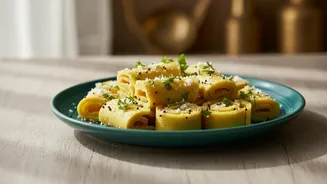
Known as Suralichi Vadi in Maharashtra and Khandvi in Gujarat, this popular snack is a true delight. It consists of thin, tightly-wound rolls of cooked gram flour (besan) and buttermilk batter, garnished with a sizzling tempering of mustard seeds, curry
leaves, and fresh coconut. The final product is soft, light, and packed with a unique tangy and savoury flavour. While it requires only a few humble ingredients, its reputation as a difficult dish comes from one crucial step: cooking the batter to the perfect consistency. This single factor determines whether you get perfect, elegant rolls or a sticky, unspreadable mess.
The Cook's Dilemma
The main challenge when making Suralichi Vadi is knowing exactly when the batter is ready to be spread. If you undercook it, the batter will be too watery and won't set properly, making it impossible to roll. If you overcook it, even by a minute, the mixture becomes too thick and lumpy, preventing you from spreading it thinly and evenly. This fine line has frustrated many home cooks, as the cooking time can vary based on the heat of your stove, the thickness of your pan, and even the consistency of your buttermilk. Without a reliable way to check for doneness, success can feel like a matter of luck.
The Foolproof Plate Test
This is where the game-changing technique comes in. The plate test is a simple yet brilliant method to banish all guesswork. As your batter thickens in the pan, take a small spoonful and spread it thinly on the back of a steel plate or any smooth, flat surface. Let it cool for about 30 seconds to a minute. After it has cooled, try to peel the edge and roll it up with your fingers. If it lifts off cleanly and rolls easily without breaking or feeling sticky, your batter is perfectly cooked and ready. If it sticks to the plate or is too soft to roll, it needs a few more minutes on the heat. Continue cooking and test again until you get that perfect, clean roll.
A Simple Guide to Perfect Vadi
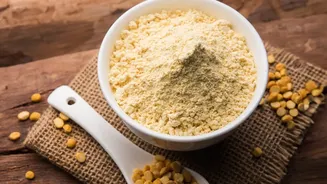
Ready to try it yourself? Here’s a basic method. Start by whisking one cup of gram flour with one cup of sour yogurt and two cups of water until completely smooth, with no lumps. You can add ginger-green chilli paste, turmeric, and salt for flavour. Cook this batter in a heavy-bottomed pan on a medium-low flame, stirring continuously to prevent lumps and sticking. After about 10-15 minutes, the batter will noticeably thicken into a smooth paste. This is when you should perform the plate test. Once the test is successful, turn off the heat but work quickly, as the mixture sets fast. Spread ladlefuls of the hot batter thinly and evenly onto the back of greased steel plates or a clean countertop. Let it cool for a few minutes, then cut it into two-inch wide strips and carefully roll each one up.
Finishing Touches and Final Tips
Once your rolls are arranged on a platter, it’s time for the tempering, or tadka. Heat a little oil and splutter mustard seeds, adding sesame seeds, asafoetida, and curry leaves. Pour this aromatic mixture over the rolls. Garnish generously with freshly grated coconut and finely chopped coriander leaves for the classic finish. For the best results, ensure your initial batter is completely lump-free; using a whisk is essential. Prepare your spreading surfaces before you start cooking, as you’ll need to work fast once the batter is ready. And remember to keep stirring constantly while cooking for that signature silky texture.