




The Science Behind the Trick
The secret to this kitchen hack lies in a natural plant hormone called ethylene gas. Many fruits produce this odorless, colorless gas as they mature, and it plays a key role in the ripening process. Ripening is essentially the stage where a fruit gets
softer, sweeter, and more aromatic as starches convert into sugars. Ethylene acts as a signal, telling the fruit to speed up these changes. By understanding which fruits produce ethylene and which are sensitive to it, you can take control of the ripening process in your fruit bowl.
Why an Apple Is Your Best Friend
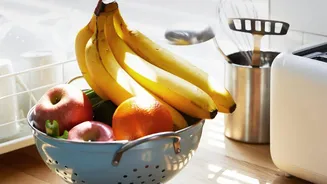
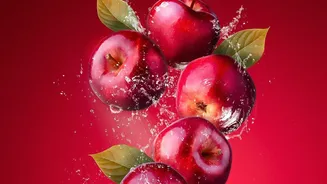
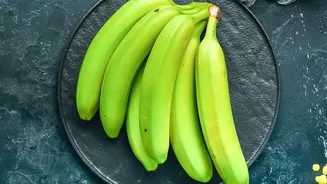
Apples are one of the most generous producers of ethylene gas. When you place a green, unripe banana next to an apple, the apple continuously releases ethylene, surrounding the banana with the ripening hormone. This exposure triggers the banana's own ripening genes, accelerating the process significantly. Think of the apple as a friendly neighbour giving the banana the encouragement it needs to mature. While bananas also produce their own ethylene, adding an external source like an apple gives them a powerful boost.
How to Do It for Best Results
For maximum effect, you need to concentrate the ethylene gas. The most effective method is to place your unripe bananas in a paper bag with an apple and loosely fold the top. The paper bag traps the gas while still allowing the fruit to breathe, preventing moisture buildup that could lead to mould. A plastic bag should be avoided for this reason. Using this method, you can expect your green bananas to turn yellow and sweet in as little as 24 to 36 hours, depending on how green they were to begin with.
Meet the Ethylene Producers
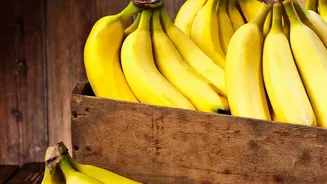
Apples aren't the only fruit with this ripening superpower. Several other common fruits are also high ethylene producers and can be used to speed up ripening. These include pears, avocados, peaches, plums, cantaloupe, and even ripe tomatoes. If you have an avocado that's rock-hard or a pear that won’t soften, you can use the same paper bag trick with a ripe banana or apple to move things along. Keeping bananas in a bunch also helps them ripen slightly faster than separating them, as they share the ethylene they produce as a group.
Know Your Sensitive Fruits
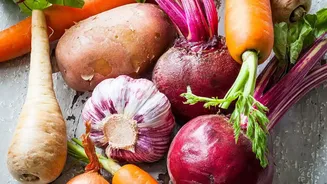
This knowledge can also be used in reverse. If you want to keep your produce fresh for longer, it’s crucial to store ethylene-producing fruits away from those that are highly sensitive to the gas. Storing them together will cause the sensitive items to spoil much faster. Produce that is particularly sensitive to ethylene includes leafy greens, broccoli, carrots, cucumbers, and asparagus. Carrots can turn bitter, leafy greens can yellow, and asparagus can become tough and woody when exposed to too much ethylene. So, while you might pair an apple with a banana for ripening, you should keep that same apple far away from your salad greens.