


A Mission of Historic Ambition
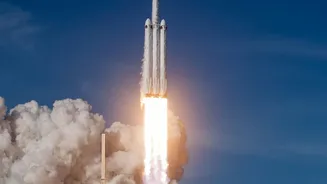
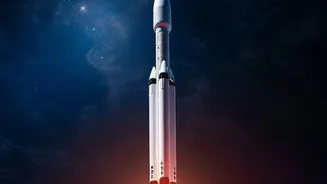
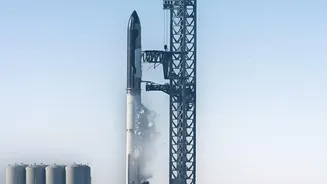
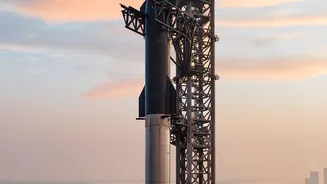
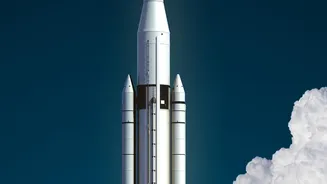
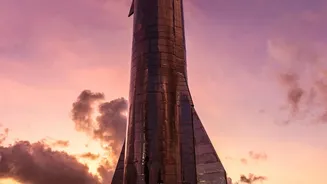
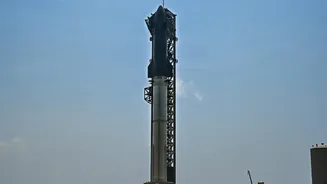
The goals for Starship's fifteenth test flight, which lifted off from Starbase, Texas, on November 13, 2026, were the most audacious yet for SpaceX. The plan was to demonstrate the world's first fully reusable orbital launch system by recovering both
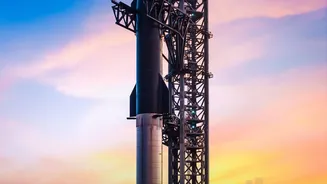
stages of the gigantic rocket. This involved not only launching the Starship upper stage into orbit but also catching both it and the Super Heavy first-stage booster using the launch tower's giant mechanical 'chopstick' arms. While SpaceX had successfully caught boosters on three prior missions, this flight aimed for a double recovery, with the booster returning just minutes after launch and the Ship returning a day later after completing its orbital tasks.
The Divert: What Happened to Super Heavy?
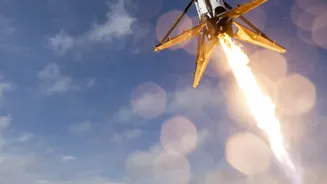
Following a successful launch and stage separation, the Super Heavy booster, known as Booster 22, began its journey back toward Starbase. However, the boostback burn, a crucial engine firing to reverse its course, ended early. According to SpaceX, this was due to the booster having a lower than expected fuel mass. The onboard guidance system, sensing the rocket was outside the safe parameters required for a tower catch, automatically triggered an abort. This safety protocol diverted the massive booster away from the launch site and its critical infrastructure, sending it toward a designated splashdown zone in the Gulf of Mexico. The booster performed a landing burn over the water before its flight termination system was activated, resulting in a dramatic explosion just above the surface.
A Tale of Two Stages
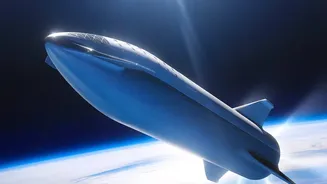
While the booster's return did not go to plan, the mission was far from a failure. The Starship upper stage, Ship 42, continued its journey flawlessly. It successfully reached orbit, deployed 26 Starlink satellites, and spent over 22 hours circling the Earth. Then came the moment that made history. On November 14, Ship 42 performed a deorbit burn, blazed through the atmosphere in a controlled 'belly-flop' maneuver, and reoriented itself for landing. In a stunning display of engineering precision, the spacecraft descended perfectly between the launch tower's waiting arms, which closed around it to complete the first-ever catch of a Starship returning from orbit.
Why The Divert Was a 'Successful' Failure
In the high-stakes world of rocket development, not every test ends in a perfect landing. The decision to divert the Super Heavy booster was not a manual error but a function of its automated safety systems working as designed. If the onboard computers determine that a safe catch is not possible, the default action is to divert to a safe water landing zone, protecting the invaluable launch tower from potential damage. A damaged tower could have set the program back by months. According to Elon Musk, the issue stemmed from a slight underperformance of the booster's engines, which is already being addressed. By executing a controlled diversion and splashdown, the booster provided crucial data even without being caught, demonstrating the maturity of its guidance and control systems under off-nominal conditions.
What This Means for the Future of Spaceflight
Starship Flight 15 was a landmark mission that will be remembered for its successes, not its setbacks. The successful catch of the Ship proved that SpaceX's vision for a fully reusable launch system is achievable. This maneuver is the key to unlocking rapid, aircraft-like turnaround times for orbital rockets, which could drastically lower the cost of accessing space. While the double-catch remains an elusive goal, the mission achieved its primary orbital objectives and demonstrated the resilience of the overall system. Having proven the Ship catch is possible, SpaceX will analyze the booster data and prepare for the next flight, moving one step closer to making routine, reusable trips to orbit a reality.