




The Unsung Hero on the Plate
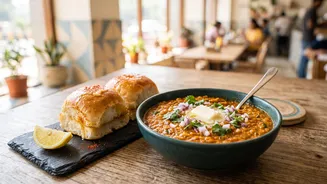
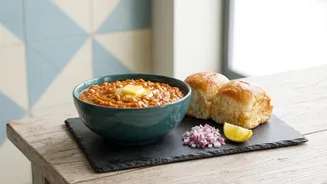
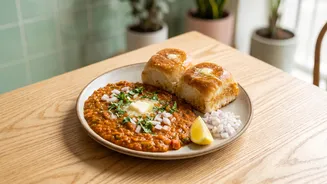
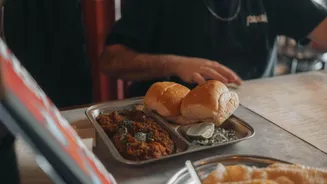
When a steel plate laden with pav bhaji arrives, all eyes are on the vibrant, steaming vegetable mash. The pav, often seen as a mere vehicle, sits quietly on the side. Yet, this soft, unassuming bread roll is the soul of the dish. It’s the perfect partner,
designed to soak up every last bit of the buttery, spicy bhaji without turning to mush. This unique pull-apart bread, known as laadi pav, is more than just an accompaniment; it's a cultural icon that underpins not just pav bhaji but the entire ecosystem of Mumbai's fast-paced, affordable, and delicious street food identity. To understand Mumbai, you have to understand its pav.
A Slice of Portuguese History
The story of pav doesn't begin in Mumbai, but in Goa, with the arrival of the Portuguese in the 16th century. Missing their own leavened bread, a stark contrast to the flatbreads common in India, they introduced the art of baking. The word ‘pav’ itself is believed to be derived from the Portuguese word for bread, ‘pão’. Early bakers in Goa faced a challenge: a lack of yeast. They innovated by using local toddy, the fermented sap of palm trees, as a leavening agent. This gave the original Goan pav a unique, slightly sour flavour and a soft, chewy crumb. As Goans migrated to Bombay for economic opportunities, they brought their baking skills with them, establishing the city's first bakeries and introducing pão to a new audience.
From Goan Bakers to Irani Cafes
By the early 20th century, a new wave of migrants, the Iranis, began to shape Mumbai's bakery scene. Fleeing persecution in Iran, they established the iconic Irani cafes that still dot the city's corners, such as Kyani & Co. and Yazdani Bakery. These cafes adopted the pav, baking it in large wood-fired ovens and making it affordable and widely available. The bread became a staple for the city's working class. The rise of Mumbai's textile mills created a need for quick, cheap, and filling meals for workers on short breaks. Street vendors responded by creating pav bhaji, a mash of leftover vegetables served with readily available, butter-toasted pav. It was the perfect meal for a city in a hurry.
The Anatomy of a Perfect 'Laadi Pav'
What makes Mumbai's ladi pav distinct is its texture and form. 'Laadi' refers to a slab or row. The dough balls are placed close together in a baking tray, so they rise and fuse, creating a pull-apart loaf with soft sides instead of a crust. This pillowy, slightly chewy texture is its superpower. It’s incredibly absorbent, making it the ideal vehicle for mopping up the bhaji in pav bhaji, the spicy gravy of misal pav, or the meaty flavours of kheema pav. Unlike a firmer dinner roll, which might compete with its filling, the ladi pav is a team player, bending to the will of the dish it accompanies. It's a bread designed for scooping, soaking, and savouring.
More Than Just Bhaji's Best Friend
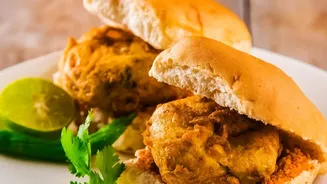
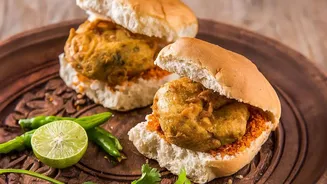
While pav bhaji gave it fame, the pav is the foundation of Mumbai's street food pyramid. The most famous example is the Vada Pav, invented in the 1960s as a portable snack for busy commuters. A spicy potato fritter (vada) is tucked inside a slit pav, often with a smear of chutney, creating a flavour explosion that has become synonymous with the city itself. Then there's Dabeli, a sweet and spicy potato mixture stuffed into a pav and garnished with pomegranate seeds and sev. From the simple bun maska (buttered bun) served with chai in Irani cafes to Anda Pav (omelette in a bun), this versatile bread is everywhere, feeding millions daily and proving its adaptability.