






The Modern Race to Nowhere
We live by the numbers. How many steps have we taken? How many calories burned? Our fitness trackers buzz with congratulations for hitting a goal, transforming a simple stroll into a data-driven mission. This mindset, borrowed from the world of productivity
and athletics, pressures us to walk faster, go farther, and constantly measure our output. The unintended consequence is that we often miss the walk itself. Our focus is on the finish line, the digital reward, or what we’ll do next. The journey becomes a means to an end, and the simple, restorative pleasure of moving through the world gets lost in the rush.
The Power of Mindful Walking
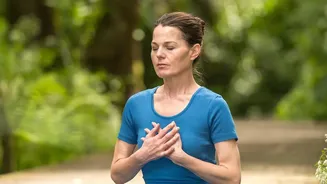
Mindful walking is the antidote to this hurried approach. It isn't about walking in slow motion; it's about shifting your attention from a destination to the present moment. It means engaging your senses: feeling your feet on the pavement, noticing the temperature of the air, hearing the sounds of your neighbourhood without judgment, and seeing the world around you without the filter of a deadline. The practice is less about achieving a specific pace and more about cultivating awareness. This form of walking meditation helps you connect with your body and your environment, transforming a routine activity into a richer, more three-dimensional experience.
A Reset for Your Mental Health
The psychological benefits of this slower, more intentional approach are significant. Research shows that mindful walking can reduce stress, anxiety, and symptoms of depression. When you walk with an awareness of the present moment, you interrupt the cycle of rumination—the repetitive, negative thought patterns that often fuel anxiety. Studies using fMRI scans have even shown that walking in nature can decrease activity in the amygdala, the part of the brain associated with processing stress. Promoting the release of endorphins, this practice has been shown to improve mood, increase feelings of well-being, and lead to better quality sleep.
Surprising Physical Perks
It’s easy to assume that a faster walk is always a better workout, but a slower, more deliberate pace has its own set of physical advantages. Mindful walking can help improve balance and body awareness, as you are more focused on your foot placement and movement. For many, it's a more sustainable form of activity that places less stress on the joints, allowing for longer and more consistent practice. Some studies even suggest that walking at a very slow pace can burn more calories than a brisk walk because it requires different muscle engagement. While it may not be a high-intensity cardio session, mindful walking contributes to overall health by reducing blood pressure and heart rate, promoting a state of calm in the nervous system.
Connecting with Your World
When you stop racing toward a finish line, you finally have the space to look around. Walking mindfully allows you to notice the small details you'd otherwise miss: the way the light filters through the trees, the intricate design of a flower, or the friendly nod from a neighbour. This heightened awareness fosters a deeper sense of connection to your surroundings and can even spark creativity. By giving your mind a break from goal-oriented thinking, you create an environment where new ideas and perspectives can emerge. It's a practice that shifts your focus from achieving to experiencing, from doing to simply being.