




Existential Risks and Environmental Crises
Topping the list are two threats with the potential for human extinction: nuclear conflict and the malicious use of artificial intelligence, including AI-developed bioweapons. While their likelihood is considered low, their potential impact is apocalyptic.
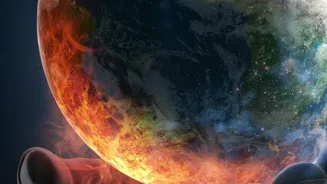
Closely linked are environmental dangers that are already here. The commission highlights climate change as an urgent, ongoing catastrophe. Limiting global warming could prevent nearly 1.9 billion years of healthy life from being lost to issues like extreme heat. Air pollution, often a direct consequence of the same activities driving climate change, is also singled out as a major individual threat.
Disease, Pandemics, and System Failures
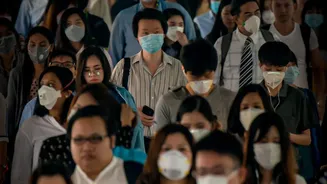
The report underscores the persistent and evolving threat of disease. The risk of naturally occurring pandemics remains a major concern, but so does the growing crisis of antimicrobial resistance, where common infections become untreatable. The analysis also points to systemic failures that amplify health risks. These include the potential collapse of international health aid, which primarily harms the most vulnerable, and the broader challenges of unhealthy ageing in many societies. These threats reveal how interconnected our global health systems are and how failures in one area can cascade into widespread crises.
Social, Economic, and Lifestyle Drivers
Many of the 17 threats are deeply embedded in our social and economic structures. Income inequality, low educational attainment, and childhood malnutrition are identified as profound health risks that can determine a person's well-being for their entire life. The report found that income inequality alone could cause a health burden equivalent to 25 COVID-19 pandemics by 2100. Furthermore, lifestyle and non-communicable diseases feature heavily, with obesity, smoking, high alcohol use, and poor mental health all listed as catastrophic threats. These issues are particularly dominant in higher-income regions but are growing challenges worldwide, driven by complex social and commercial factors.
A Call for Unified Action
The experts behind the report from The Lancet and the Institute for Health Metrics and Evaluation stress that none of these 17 threats exist in a vacuum. A conventional conflict could trigger mass displacement, leading to malnutrition and disease outbreaks. Climate change worsens air quality and can increase the risk of new pandemics as animal and human habitats overlap. The commission argues that because the threats are interlinked, the solutions must be too. They call for leaders in finance, security, technology, and health to break out of their silos and build threat-ready health systems, invest in breakthrough innovations, and strengthen the monitoring of emerging risks.