





What is 'Double Carbing' Anyway?
Double carbing simply means eating two significant sources of carbohydrates in the same meal. Think of some of India's most comforting food combinations: dal and sabzi served with both roti and rice, a classic masala dosa with its potato filling, or even
enjoying pasta with a side of garlic bread. While these meals are deeply ingrained in our culinary culture, they have come under scrutiny in the world of nutrition for packing a heavy carbohydrate punch in a single sitting.
Why The Bad Reputation?
The main concern with double carbing revolves around blood sugar management. When you consume carbohydrates, your body breaks them down into glucose, which enters your bloodstream. A meal heavy in refined carbs, like white rice and white bread, can cause a rapid spike in blood sugar. This prompts your pancreas to release a large amount of insulin to help your cells absorb the sugar for energy. Any excess glucose that isn't used right away gets stored as fat. Over time, frequent and large insulin spikes can contribute to energy crashes, cravings, weight gain, and even insulin resistance.
It's Not the Carbs, It's the Company They Keep
Here's where the conversation shifts from banning to balancing. The problem isn't necessarily the presence of two carbohydrates, but the absence of other crucial macronutrients: protein and fibre. Protein, healthy fats, and fibre slow down digestion. When you pair your carbohydrates with these elements, you effectively slow down the absorption of sugar into the bloodstream. This leads to a more gradual rise and fall in blood sugar levels, providing you with more stable, sustained energy and keeping you feeling full for longer. Rather than a sharp spike and crash, you get a gentle curve.
How to Build a Balanced 'Double Carb' Meal
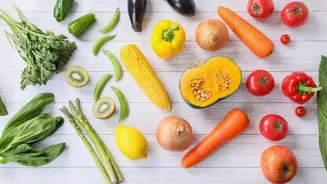
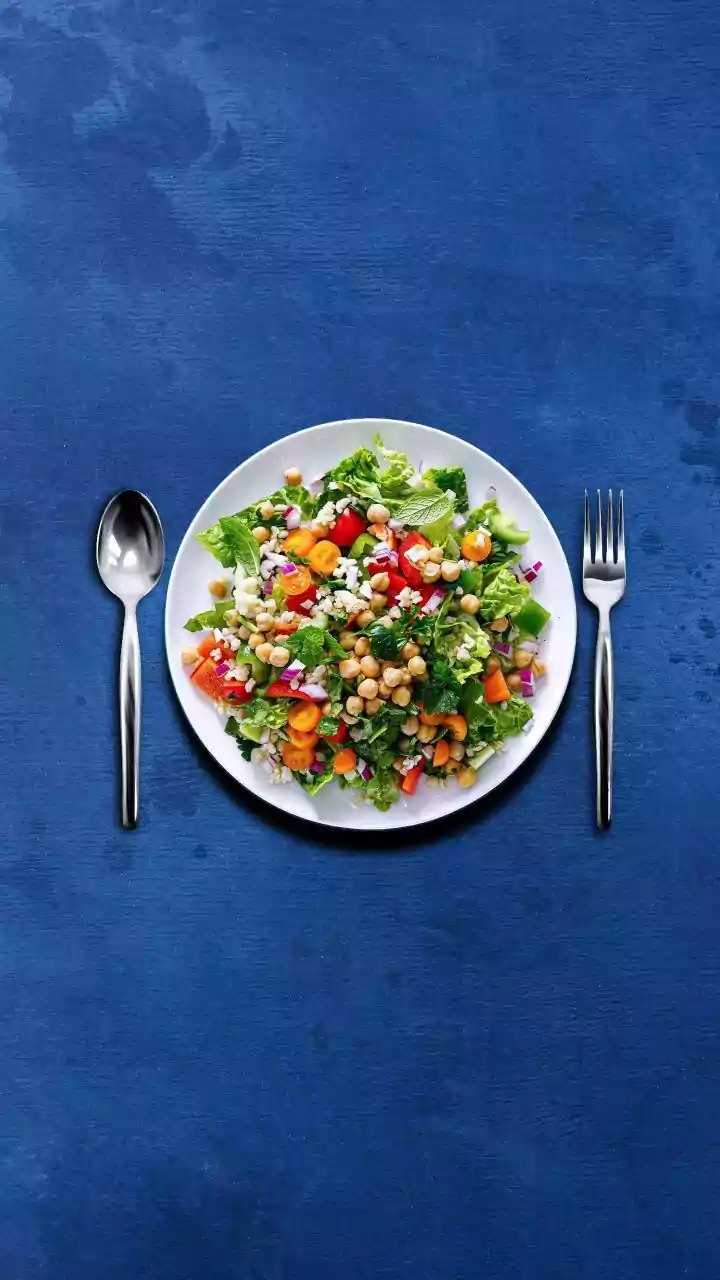
Instead of eliminating one of your favourite carbs, focus on what you can add to the plate. The golden rule is to ensure that protein and fibre-rich vegetables have a starring role. For example, if you're having roti and a small portion of rice, make sure the largest portion of your plate is dedicated to a protein-packed dal or chana masala and a generous serving of non-starchy vegetables like spinach, capsicum, or cauliflower. This approach ensures you get the energy from the carbs, the satiety from the protein, and the essential vitamins, minerals, and digestive benefits from the fibre.
Smart Swaps and Portion Control
Context and portion size are everything. A physically active person might need more carbohydrates to replenish their energy stores compared to someone with a sedentary lifestyle. A simple strategy is to be mindful of your portions. Maybe you have one roti instead of two, or half a cup of rice instead of a full one. Another smart swap is choosing whole grains over refined ones. Brown rice and whole wheat roti contain more fibre than their white counterparts, which naturally helps in better blood sugar control. The goal is to make your carbohydrates work for you by creating a nutritionally diverse meal.