

A Landscape Layered with History
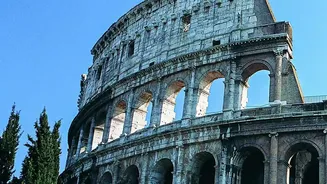
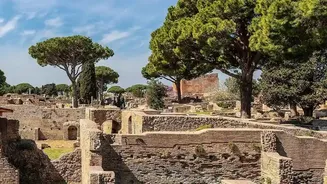
Long before Portugal was a nation, it was a vital part of the Roman Empire known as Lusitania. For centuries, from around the 2nd century BCE, Rome left an indelible mark on the land. This legacy is not confined to museums; it is etched into the countryside
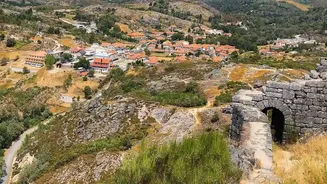
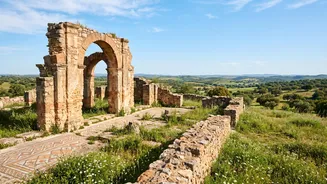
itself. In regions like the Alentejo, you can find remarkably preserved Roman roads, villas, temples, and stone bridges that are still in use today. This area was a Roman breadbasket, rich in agriculture and livestock, and crisscrossed by a network of roads connecting major settlements like Évora (then Ebora Liberalitas Julia) to the provincial capital, now Mérida in Spain. Exploring these sites offers a direct link to an era that shaped the language, culture, and infrastructure of the entire Iberian Peninsula.
The Noble Lusitano Horse
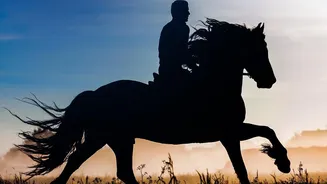
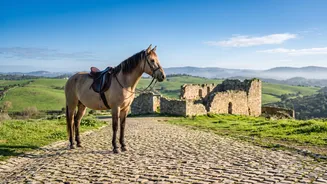
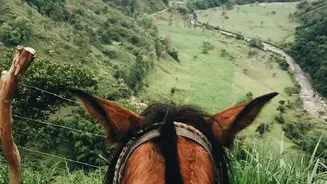
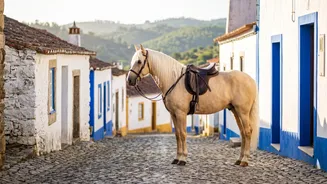
The other half of this heritage equation is the horse. Portugal is home to the Lusitano, one of the oldest and most revered horse breeds in the world. Descended from the ancient Iberian horse, the Lusitano is celebrated for its intelligence, courage, and powerful, elegant movements. These are not just any trail horses; they are a living piece of Portuguese heritage. For centuries, they were the mounts of royalty, cavalry, and classical riding masters. Riding a Lusitano through the Alentejo landscape means connecting with a tradition of horsemanship that is as old as the Roman ruins themselves. Many equestrian tour operators specifically offer rides on these magnificent animals, believing the experience provides a deeper, more authentic connection to the land and its history.
Traveling at the Pace of the Past
Combining Roman remains with horseback riding is compelling because it recreates the very rhythm of ancient travel. Before engines, the world moved at the speed of a horse. To travel on horseback is to experience the landscape as a Roman messenger or merchant would have: feeling the terrain, appreciating the distances between settlements, and understanding why roads were built where they were. Many modern hiking and riding trails in Portugal, especially in the north and the Alentejo, directly follow the paths of these ancient Roman viae. From the saddle, the world unfolds slowly. You notice the details—a worn milestone on the side of a path, the sturdy arch of a two-thousand-year-old bridge, or the remains of a Roman dam—in a way that is impossible from a car. This slower pace fosters a more profound connection to the historical environment.
An Immersive Cultural Experience
These heritage trips offer more than just history and horses; they are a full cultural immersion. Tours often lead riders through rolling hills covered in cork oaks and olive groves, past medieval castles like the one in Monsaraz, and into tranquil villages. The experience is multisensory. Riders might stop for a picnic with local wines and cheeses next to a Roman aqueduct or end the day at a 'quinta', a traditional Portuguese farm estate that has been converted into lodging. Tour operators in areas like Évora and the Alentejo coast design these journeys to blend adventure with comfort and authenticity. They cater to various skill levels, from beginners to experienced equestrians, ensuring that the focus remains on the unique connection between rider, horse, and the historical landscape.