



What Is Happening on the Ground?
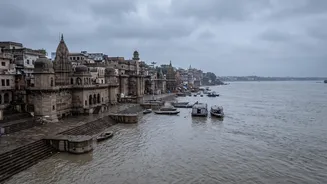
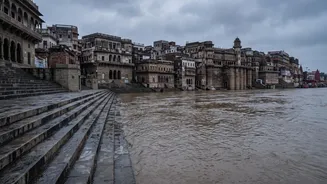
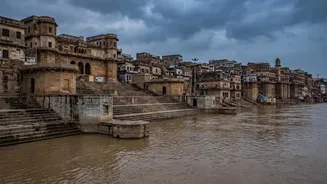
As of early September 2026, the Ganga river in Varanasi has risen above its official warning level. According to the Central Water Commission, the river's level was recorded at over 70.29 meters, just past the 70.26-meter warning mark. While this is still
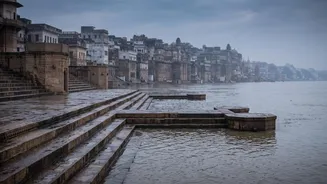
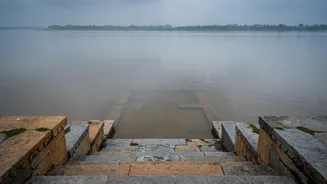
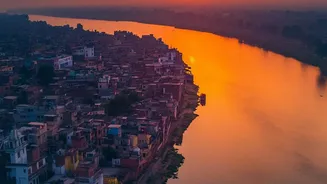
below the official danger level of 71.26 meters, the water is continuing to rise at a rate of about two centimeters per hour, prompting swift action from local authorities. As a primary safety measure, all boat operations along the river have been suspended. This includes the famous sunrise and sunset boat tours that are a quintessential experience for tourists and pilgrims. The lower portions of the city's iconic ghats—the long stretches of steps leading down to the water—are now submerged, making them inaccessible and dangerous. Officials have cordoned off routes leading to the river and urged residents and visitors to stay away from the banks due to strong currents.
The Heart of the City: Why the River and Ghats Matter
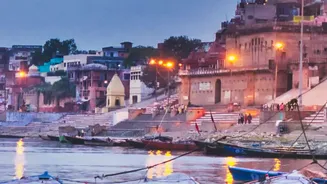
For an American audience, it’s hard to overstate the importance of the Ganga and its ghats to Varanasi. The city is a premier pilgrimage site for Hindus, and the river is considered a goddess, a source of purification and salvation. The 84 ghats are the center of life and death. They are where people perform daily rituals, bathe, do laundry, practice yoga, and celebrate festivals. Two of the most important ghats, Manikarnika and Harishchandra, are used exclusively for cremations, which are believed to grant liberation from the cycle of rebirth. When the river floods and submerges these steps, it doesn't just disrupt commerce; it interrupts a spiritual and cultural rhythm that has defined the city for thousands of years. In some cases, essential ceremonies like the famous evening 'Ganga Aarti' and even cremations have been forced to move to higher ground or rooftops.
The Cause: Monsoon Rains and a Swelling River System
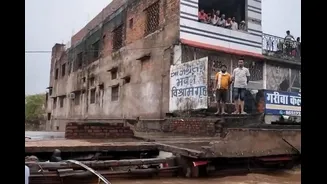
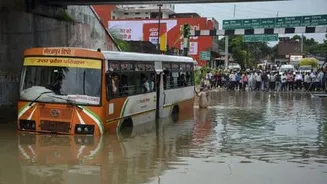
The immediate cause of the flooding is the annual monsoon season, which brings heavy rainfall to the vast catchment areas that feed the Ganga. Intense downpours upstream lead to a surge of water flowing downriver. This year, the situation is compounded by a rising Varuna river, a tributary that also flows through Varanasi, which has caused significant waterlogging and flooding in at least 11 localities. This seasonal swelling is a familiar pattern, but the intensity and impact appear to be worsening. The India Meteorological Department has forecast more rain for the region, which could push the river from its current warning level toward the danger mark. This event highlights a broader challenge: while monsoon floods are a part of life, climate change is believed to be making these weather events more erratic and extreme, testing the limits of this ancient city's resilience.
The Human Impact and Official Response
The flooding has a direct and immediate impact on the people of Varanasi. Hundreds of families who operate boats have seen their income vanish overnight. Beyond the boatmen, vendors and priests who make their living on the ghats are also displaced. The rising waters of both the Ganga and Varuna have inundated low-lying residential areas, forcing thousands of people to evacuate. Reports indicate that nearly 3,000 residents have been displaced, with many moving into one of the 13 relief camps set up by the district administration. These camps provide temporary shelter, food, and other essentials. The situation has drawn high-level attention, with Prime Minister Narendra Modi, who represents Varanasi in parliament, speaking directly with local officials to oversee relief efforts and ensure aid is delivered on a 'war footing'.