
A Glimpse of the Future on Rails
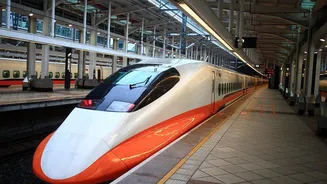
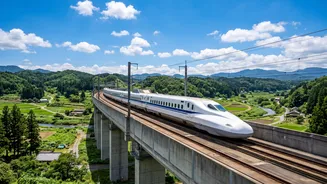
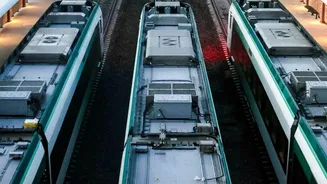
The readiness of the first test coach is a tangible symbol of progress for the nation's inaugural bullet train. According to Railway Minister Ashwini Vaishnaw, this coach has been manufactured and is prepared for testing. This is a critical development,
as it moves the project from civil construction—visible in the form of viaducts and piers—to the exciting phase of preparing the actual rolling stock. While this isn't a passenger-ready train just yet, the test coach is essential for the rigorous trials that must be completed before any commercial service can begin. These tests will evaluate everything from structural integrity to performance on the tracks, ensuring the system meets the highest safety and operational standards required for speeds of up to 320 km/h. The development also underscores the government's push for domestic manufacturing capabilities in high-speed rail technology.
The Pioneer Corridor: Surat to Bilimora
The project is being rolled out in phases, and the first section slated for opening is the approximately 50-kilometre stretch between Surat and Bilimora in Gujarat. This section is targeted for commissioning in 2027, with some officials suggesting a launch could happen by August of that year. The strategic decision to open this segment first allows the National High Speed Rail Corporation Ltd (NHSRCL), the project's implementing agency, to establish an operational high-speed line and demonstrate its capabilities. It will serve as a real-world test for the entire network, ironing out any operational challenges on a smaller scale before the full corridor is launched. Meanwhile, civil construction on the adjoining Vapi-Surat section is also advancing swiftly and is expected to be completed by December 2026.
The Grand Vision: Connecting Mumbai and Ahmedabad
The Surat-Bilimora line is just the beginning of a much larger vision: the 508-kilometre Mumbai-Ahmedabad High-Speed Rail (MAHSR) corridor. This ambitious project, the foundation stone for which was laid in 2017, will connect India's financial capital with one of Gujarat's largest commercial hubs. The corridor will pass through Maharashtra, Gujarat, and Dadra and Nagar Haveli, featuring 12 modern stations: Mumbai (BKC), Thane, Virar, Boisar, Vapi, Bilimora, Surat, Bharuch, Vadodara, Anand, Ahmedabad, and Sabarmati. Once fully operational, the bullet train is expected to slash travel time between the two metropolises to just under two hours for limited-stop services, a journey that currently takes over five hours on the fastest trains.
Navigating the Challenges Ahead
Building a project of this magnitude is not without its complexities. The MAHSR corridor involves constructing hundreds of kilometres of elevated viaducts, multiple river bridges, and even a 7-kilometre undersea tunnel in Maharashtra. The project has faced delays due to land acquisition hurdles and the global pandemic, which pushed back the original completion timeline. However, recent updates indicate that construction is now progressing rapidly, especially in the Gujarat portion of the route, where a significant amount of pier and viaduct work has been completed. As civil work nears completion in key sections, the next phases will involve track laying, installing advanced signalling and electrification systems, and extensive testing to ensure every component of the Japanese Shinkansen technology is perfectly adapted for Indian conditions. The successful commissioning of the Surat-Bilimora section will be the ultimate proof of concept, paving the way for the future of high-speed travel in India.