






The Rising Cost on Your Plate
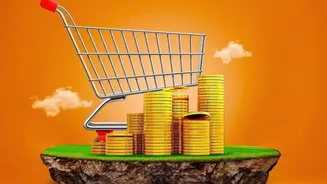
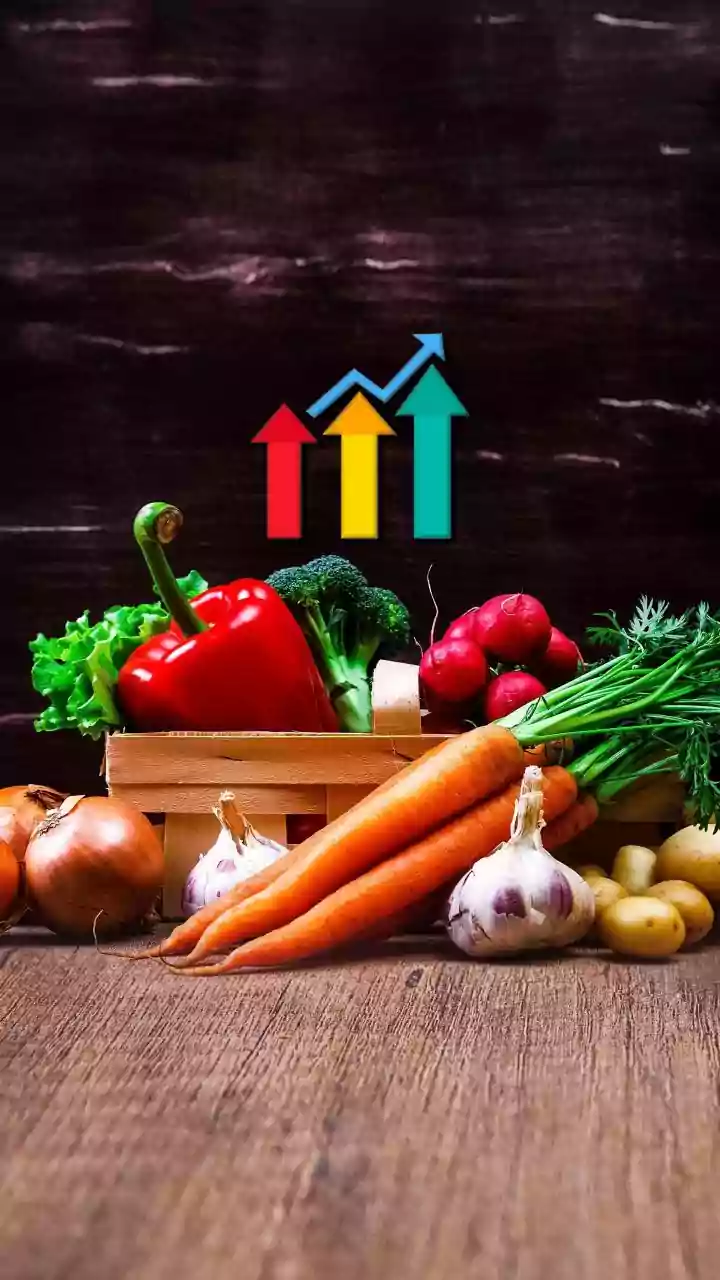
It's not your imagination: your grocery bill is climbing. Recent data shows a worrying trend in food prices across India. In June 2026, retail inflation rose to an 18-month high of 4.38%, driven largely by food costs, which saw a 5.32% year-on-year increase.
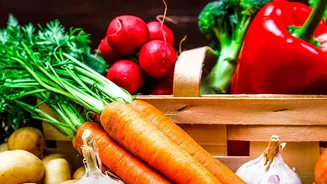
This surge is particularly noticeable in the items we use every day, with vegetables, pulses, and spices leading the price rise. This trend is a result of a perfect storm of factors. Adverse weather events, from heatwaves to an uneven monsoon, have disrupted crop cycles and reduced harvests. These climate shocks, combined with higher transportation costs and persistent supply chain bottlenecks, mean that by the time produce reaches your urban market, its price has inflated significantly.
Why Your Wallet Loves Local
This is where understanding the journey of your food becomes a powerful budgeting tool. The long, complex supply chains that bring produce from distant states to city supermarkets are laden with hidden costs. A vegetable can pass through four to six intermediaries between the farmer and the consumer. Each middleman adds their margin, and costs for transport, storage, and handling accumulate at every step. It’s a system where a farmer might get a small fraction of the price you pay. Studies have shown that disruptions in these long-distance supply chains, whether from weather or other crises, lead to immediate price volatility. In contrast, locally sourced produce has a much shorter, simpler path to your kitchen. By cutting out several layers of middlemen and drastically reducing transportation distances, local food systems can offer more stable and often lower prices. When you buy from a neighbourhood farmers' market or a vendor sourcing directly from nearby villages, more of your money goes towards the food itself, not the logistics of getting it to you.
More Than Just Savings
The benefits of shifting your focus to local produce extend far beyond your budget. Because it travels less, local food is often fresher. Produce picked at its peak ripeness, rather than weeks early to survive a long journey, simply tastes better and can be more nutritious. The nutrients in fruits and vegetables begin to degrade from the moment they are harvested; a shorter time from farm to table means more vitamins and minerals make it to your plate. Furthermore, choosing local is an investment in your community. When you buy from local farmers, you are supporting small-scale agriculture and ensuring that money circulates within your local economy, creating jobs and fostering community resilience. It strengthens the connection between consumers and producers, offering a more transparent and trustworthy food system.
How to Go Local Effectively
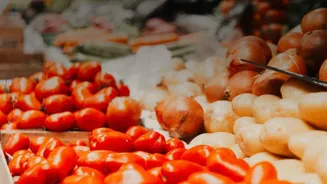
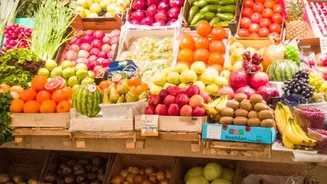
Making the switch to local is easier than you might think. Start by seeking out your nearest weekly farmers' market. These markets are hubs where producers often sell directly to consumers, offering a wide variety of seasonal produce. Don't hesitate to talk to the vendors; ask them where their farm is and what's in season. This not only gives you information but also builds a relationship with the people growing your food. Look for Community Supported Agriculture (CSA) programs in your area, where you can subscribe to receive a regular box of produce directly from a farm. Many local vegetable vendors also have established relationships with nearby growers, so it's worth asking them about the origins of their stock. By being a conscious consumer and asking questions, you create demand for a more local and resilient food system.