


A Planet Without Borders
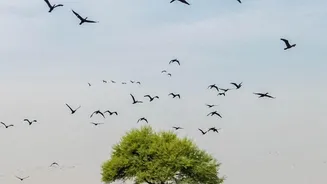
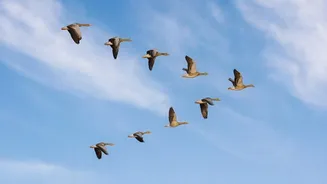
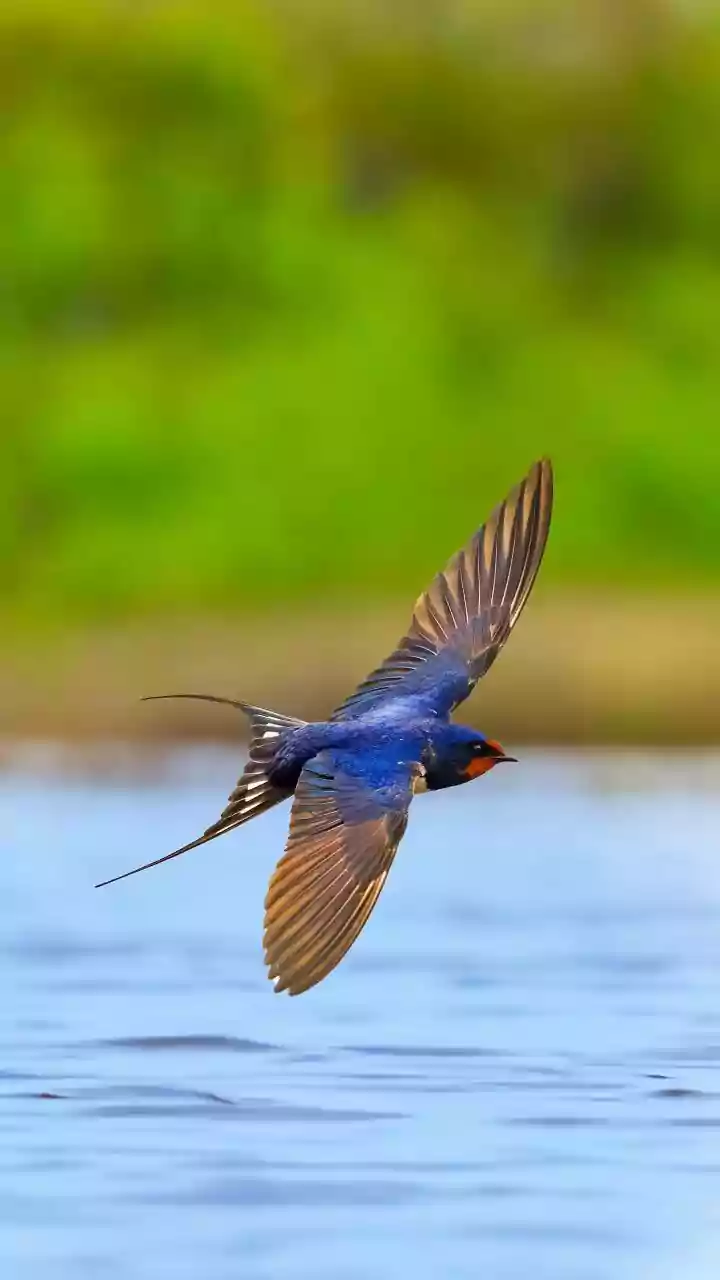
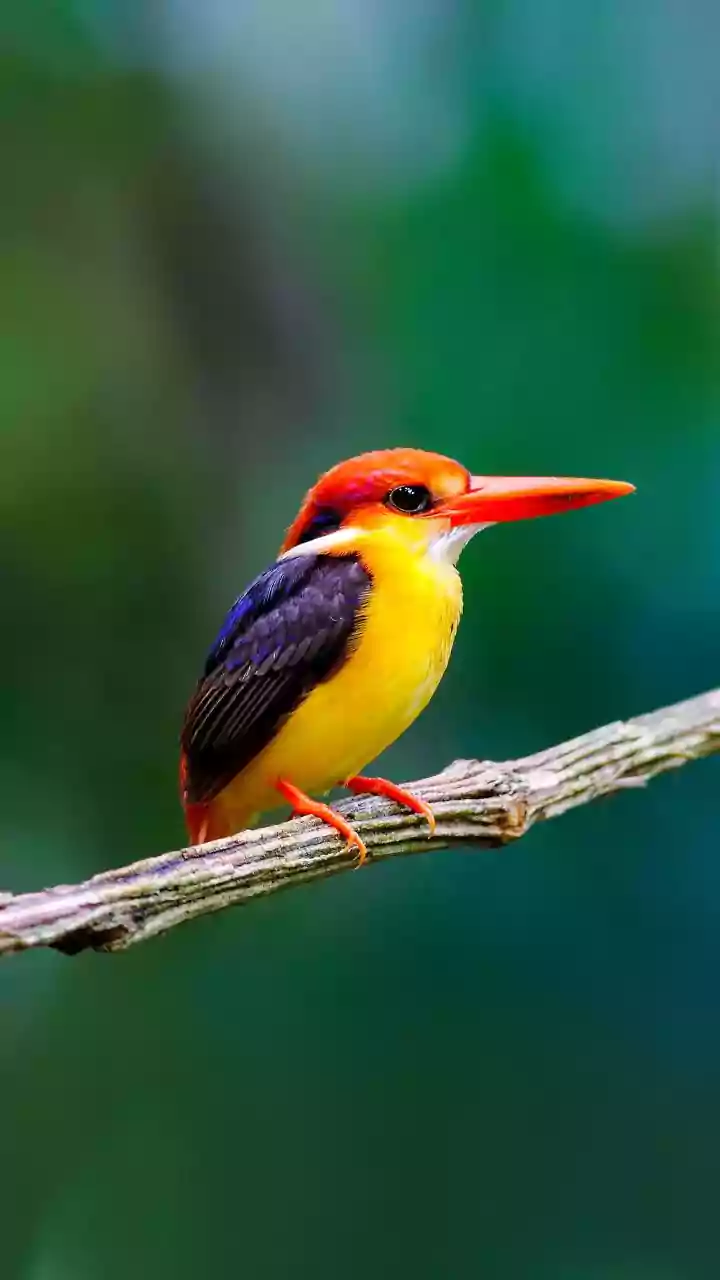
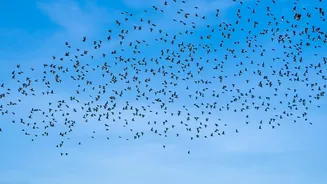
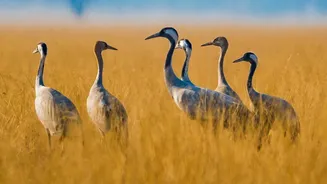
Imagine flying from the cold expanses of Siberia, across the towering Himalayas, to the warm wetlands of India, all without a map or passport. This is the incredible reality for millions of migratory birds each year. Species like the Bar-headed Goose
and the Amur Falcon connect continents, making India a crucial hub on the Central Asian Flyway (CAF), a vast migratory superhighway spanning 30 countries. These birds are not just tourists; they are vital parts of our ecosystem, acting as pest controllers and indicators of environmental health. Their journey is a testament to a world where nature knows no borders, a concept our own conservation efforts are struggling to grasp.
A Chain of Threats Across Nations
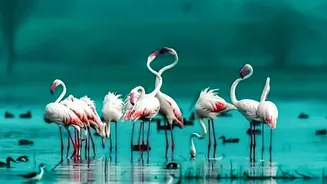
The danger for a migratory bird is that its survival depends on an unbroken chain of safe habitats. A threat in one country can doom a species across its entire range. Recent studies show an alarming trend, with over half of migratory waterbird species showing decreasing population trends. The State of India's Birds 2023 report confirms this, noting that 60% of our bird species have declined over the past three decades. The threats are a gauntlet of modern dangers: breeding grounds in Russia or China are lost to development, they face illegal hunting or electrocution from power lines in Central Asia, and finally, their wintering homes in India's wetlands are polluted, drained for agriculture, or lost to urban sprawl. A bird that successfully navigates thousands of kilometres might arrive at its ancestral lake in Kerala or Delhi only to find it gone.
Pacts on Paper, Peril on the Ground
International agreements like the Convention on the Conservation of Migratory Species (CMS) exist precisely to address these cross-border challenges. These frameworks encourage countries to cooperate on protecting species that pass through their territories. Yet, their effectiveness is often limited. Critics point to the non-enforceable nature of many agreements and the absence of key players from certain treaties. A country might have excellent conservation laws, but they mean little if its neighbour does not. This fragmented approach creates fatal gaps in the safety net. For example, while Germany may protect a bird's habitat well, its efforts are undermined if the same species is not protected across its full migratory route. This patchwork of protection is simply not enough for creatures that live their lives on a global scale.
India's Critical Role and a Ray of Hope
Sitting at the heart of the Central Asian Flyway, India's actions have outsized consequences. The health of our wetlands, from Chilika Lake in Odisha to the coastal mudflats of Kerala, is a matter of global importance. The decline of species like the Northern Pintail and Painted Stork highlights our local challenges. Yet, there is also hope. In Nagaland, local communities that once hunted the visiting Amur falcons have transformed into their staunchest protectors, creating one of Asia's most inspiring conservation stories. This success was achieved through a combination of law enforcement, community engagement, and fostering local pride. It proves that change is possible and that local action, when aligned with a species' needs, can have a profound impact.