







Why Humidity Is a Kitchen Hazard
High humidity means there is a lot of moisture in the air. This moisture is exactly what microorganisms like bacteria, mould, and yeast need to thrive. During India's monsoon season, when humidity levels can jump to 80-90%, this problem becomes particularly
acute. The warm, moist conditions accelerate the growth of germs like Salmonella and E. coli, which can lead to foodborne illnesses. This environment not only causes fresh produce to wilt and rot faster but also affects dry goods. Biscuits and chips lose their crunch, sugar clumps together, and flours and spices can develop mould or go rancid far quicker than in dry weather. The moisture in the air is absorbed by food, compromising its texture, flavour, nutritional value, and, most importantly, its safety.
Smart Storage for Fresh Produce
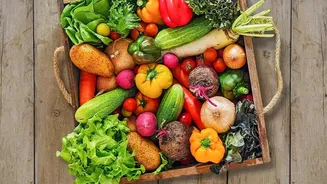
Fruits and vegetables are highly susceptible to spoilage in humid weather. Leafy greens, in particular, can wilt and rot quickly. The key is to manage moisture. Wash your produce thoroughly, but make sure to dry it completely before storing. Storing wet vegetables in the fridge creates a damp environment that encourages mould. For items like spinach and coriander, you can wrap the dry leaves in a paper towel before placing them in a container. This absorbs excess moisture. Some vegetables, like onions and potatoes, should be stored in a cool, dark, and well-ventilated place, but not in the refrigerator. During the monsoon, buy fresh produce in smaller quantities more frequently to avoid issues with long-term storage.
Protecting Your Pantry Staples
Your pantry is not immune to the effects of humidity. Dry goods like rice, lentils (dal), flour (atta), and spices can all absorb moisture from the air, leading to clumping, mould, and insect infestations. The single most effective strategy is to transfer these items from their original paper or plastic bags into airtight containers immediately after purchase. Glass or steel containers with tight-fitting lids are ideal. For items like rice and dal, you can sun-dry them for a few hours before storing to remove any existing moisture and kill insect eggs. Adding natural repellents like dried neem leaves or bay leaves to grain containers is a traditional Indian practice that can help deter pests.
The Refrigerator: Your First Line of Defence
Your refrigerator works overtime during humid months. To ensure it's effective, it needs to be maintained properly. The Food Safety and Standards Authority of India (FSSAI) recommends keeping your fridge temperature below 5°C. Avoid overloading it, as this restricts airflow and creates warm spots. It's also crucial to clean and defrost your refrigerator regularly, ideally every couple of weeks during the monsoon, to prevent the build-up of ice and inhibit mould growth. When storing leftovers, allow them to cool down slightly, but don't leave them at room temperature for more than an hour before refrigerating. Cooked rice and dal, common Indian leftovers, should be consumed within 24 hours when stored in the fridge during the monsoon.
Upholding Kitchen Hygiene
Proper hygiene is non-negotiable, especially when humidity is high. Always wash your hands with soap and water before and after handling food. Use separate cutting boards for raw meats and vegetables to prevent cross-contamination. FSSAI advises keeping kitchen surfaces and equipment clean and sanitized. Be vigilant about leftovers. Reheat food thoroughly until it is piping hot to kill any bacteria that may have developed during storage. Finally, trust your senses. If food looks, smells, or feels off, do not taste it. The rule is simple: when in doubt, throw it out. A little extra caution can prevent unpleasant and potentially serious foodborne illnesses that are more common during the rainy season.