




A New, Unblinking Eye on the Poles
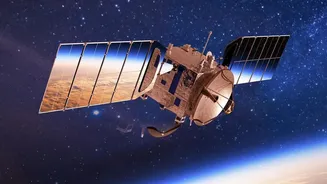
The breakthrough comes from a mission with a fittingly cool name: PREFIRE, or the Polar Radiant Energy in the Far-InfraRed Experiment. Since July 2024, two tiny satellites, each the size of a shoebox, have been circling our planet, capturing a complete
picture of the heat radiating from the polar regions. What makes this mission unique is its focus on far-infrared radiation. This invisible energy is a huge piece of the climate puzzle, accounting for nearly 60 percent of the heat Earth loses to space. Previously, this crucial part of the planet's energy budget had never been comprehensively measured, leaving a significant blind spot in our climate models. The PREFIRE mission has now filled that gap, providing two full years of data covering complete seasonal cycles at both the Arctic and Antarctic.
What is This 'Hidden Heat'?
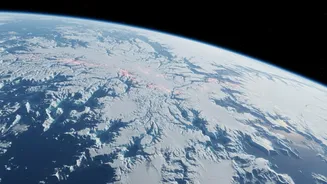
The "hidden heat" isn't a new source of warmth but rather a more accurate measurement of the energy being emitted. Think of Earth's climate as a global budget of incoming and outgoing energy. The sun warms the planet, and the planet radiates that heat back into space. The poles act as Earth's primary refrigerators, where heat transported from the tropics finally escapes. PREFIRE measures this escaping heat in the far-infrared spectrum, which is heavily influenced by factors like water vapor, clouds, snow, and ice. By capturing this previously unmeasured energy, scientists can get a much clearer picture of how efficiently—or inefficiently—the poles are cooling the planet. It helps them understand the real-time effects of melting ice and changing cloud cover on the total energy balance.
A Tale of Two Very Different Poles
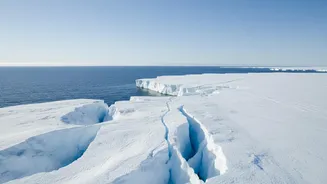
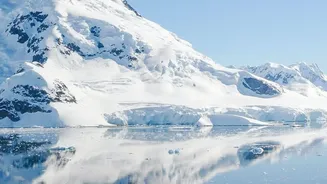
The two-year dataset has vividly illustrated that the Arctic and Antarctic are not created equal when it comes to managing heat. The animations produced by NASA show the two poles pulsing through opposite seasons, but with dramatically different results. In the Arctic, summers are now warm enough to melt vast areas of sea ice and thaw permafrost on land. This creates a feedback loop: less ice means more dark ocean water to absorb sunlight, leading to more warming. In contrast, much of Antarctica remains below freezing even during its summer, making its seasonal temperature swings less extreme. These geographical and atmospheric differences mean that each pole plays a distinct role in regulating global climate, a distinction that the PREFIRE data is helping to quantify for the first time across all seasons.
Beyond the Seasons: Improving Forecasts
This continuous, two-year record is more than just a climate report card; it's a powerful tool for improving our predictions. By feeding this near-real-time data into weather and climate models, scientists can test and refine their forecasts. The mission, which has been extended through September 2026, aims to improve everything from short-term weather severity predictions to long-term climate projections. A better understanding of the polar energy budget has direct implications for global communities. It can help predict changes in shipping routes as Arctic ice melts, assess the stability of the massive Antarctic ice sheets that drive sea-level rise, and forecast shifts in weather patterns that originate in the polar regions but affect the entire globe. This new level of detail moves us from simply knowing the poles are warming to understanding precisely how that warming mechanism works year-round.