







A New Kind of Pilgrimage
India's ancient spiritual centres are undergoing a remarkable transformation. Cities like Ayodhya, Varanasi, and Ujjain are no longer just for the devout or the elderly. They are becoming vibrant hubs for shared experiences, attracting millennials, Gen
Z travellers, and young families looking for connection, culture, and a sense of collective identity. This new form of tourism blends faith with exploration. Visitors are drawn not only by religious sentiment but by a desire to witness history, participate in cultural events, and share moments of awe with thousands of others. The trend, sometimes dubbed "shrinecations," combines spiritual journeys with leisure activities like photography, food tours, and cultural immersion, turning a traditional pilgrimage into a holistic travel experience.
Infrastructure as the Great Enabler
This boom hasn't happened in a vacuum. A massive, coordinated push to upgrade infrastructure has been a key catalyst. The development of world-class facilities like the Kashi Vishwanath Corridor in Varanasi and the Mahakal Lok in Ujjain has dramatically improved the visitor experience, making these ancient cities more accessible and comfortable. New airports, such as the Maharishi Valmiki International Airport in Ayodhya, now connect these towns to major metropolitan hubs like Mumbai, Bengaluru, and Chennai. Upgraded railway stations, wider highways, and better public amenities have removed many of the traditional hardships associated with pilgrimage, opening the doors to a new generation of travellers who value convenience and safety.
From Solitary Prayer to Shared Spectacle
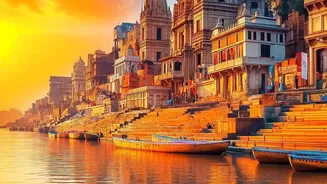
The very nature of the experience in these cities has become more communal. Grand projects have created sprawling public spaces designed to manage huge crowds while fostering a sense of shared spectacle. Events like the Deepotsav in Ayodhya, where millions of earthen lamps are lit, or the evening Ganga aarti in Varanasi are powerful, collective moments that resonate deeply in an increasingly digital and isolated world. These are not quiet, solitary acts of faith but large-scale cultural happenings. This shift is reflected in the visitor numbers. Ayodhya, for example, saw its visitor count skyrocket from around 6 million in 2020 to over 164 million in 2024 following the inauguration of the Ram Temple. Similarly, Varanasi's tourist arrivals have grown exponentially since the Kashi Vishwanath Corridor opened.
The Youth Are Leading the Way
Counterintuitively, it is India’s youth who are at the forefront of this trend. Data from travel platforms shows that young travellers, including Gen Z and millennials, now account for a significant portion of bookings to spiritual destinations. One report noted that travellers aged 18 to 35 are increasingly seeking out these experiences, driven by a search for personal growth, mental well-being, and cultural connection. In some regions, young people make up more than half of all spiritual tourism trips. This demographic is digitally savvy, sharing their journeys on social media and using online platforms to plan spontaneous trips, further amplifying the trend.
The Economic Ripple Effect
The surge in tourism is creating powerful economic ripples. In cities like Ayodhya and Varanasi, the boom is fuelling growth in hospitality, transport, and retail, creating thousands of jobs. Local businesses, from hotel operators to small shopkeepers and artisans, are reporting significant increases in income. One study found that the average daily earnings of shopkeepers in Ayodhya increased nearly fivefold after the tourism surge. This 'temple economy' is transforming once-sleepy towns into thriving economic centres, with some estimates projecting that the religious tourism sector will generate billions in revenue and create millions of jobs in the coming years.