







The High-Protein Paradox
On one hand, high-protein diets are celebrated for building muscle, aiding recovery after exercise, and promoting satiety for weight management. On the other hand, a growing body of research from the world of longevity science has hinted that protein restriction,
not abundance, might be a key to a longer, healthier life. This has left many people confused: should we be loading up on protein shakes or scaling back? A major new scientific review of over 350 studies is helping to untangle this paradox, suggesting that for many, less might indeed be more.
What the New Evidence Suggests
The sweeping review, published in the journal Cell Press Blue, found that reducing overall protein intake, or at least restricting specific amino acids like methionine and isoleucine, could offer significant benefits for healthy aging. In studies on organisms from flies to mice, this approach was linked to improved metabolism, reduced cellular damage, and the activation of longevity pathways. One key mechanism appears to be the hormone FGF21, which increases when protein intake is lower and is associated with a host of benefits, including reduced inflammation and better blood sugar control. The review suggests that a lower protein diet can shift the body from a constant state of 'build and grow' to one of 'repair and clean up', which may slow down the aging process.
A Crucial Caveat: Of Mice and Men
This is where the headline’s call for caution becomes critical. While the findings in animal models are compelling, independent scientists are quick to point out that we cannot simply copy and paste these results onto human health. Rodents and insects have vastly different metabolic rates and lifespans, and what extends life in a mouse does not automatically work for a person. The authors of the review agree, noting that the goal isn't to make everyone adopt a severely low-protein diet. Co-author Dudley Lamming emphasized that for active individuals, protein remains essential for muscle health. The research serves not as a prescription, but as a prompt to question the one-size-fits-all approach to protein consumption.
Not All Protein Is Created Equal
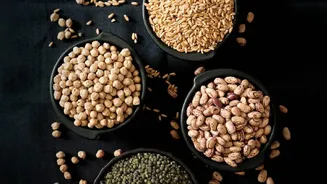
The conversation also gets more specific when you consider the protein's source. The science increasingly distinguishes between animal- and plant-based proteins. Multiple large-scale studies have associated high intake of animal protein, particularly from red and processed meats, with an increased risk of chronic disease and higher mortality in middle-aged adults. In contrast, diets rich in plant-based proteins from sources like beans, lentils, and nuts are often linked to healthier aging outcomes and a lower risk of frailty and disease. This suggests that the entire package of nutrients in a food, not just the protein content alone, plays a vital role in its long-term health impact.
Context Is King: Your Age and Activity Matter
Ultimately, the evidence points toward personalization. The optimal amount of protein is not a single number but a moving target that depends on your age, activity level, and overall health status. For a sedentary adult, the high levels of protein recommended for a bodybuilder are likely excessive and may even have negative consequences. Furthermore, protein needs change throughout life. Research suggests that while a lower-protein diet may be beneficial for those aged 50 to 65, higher protein intake becomes crucial for individuals over 65 to combat age-related muscle loss, or sarcopenia.