


The Modern Dosa: Why Quinoa?
Traditional dosas, made from rice and lentils, are a beloved staple across India. But swapping rice for quinoa offers a significant nutritional upgrade. Quinoa, often called a 'superfood', is a complete protein, meaning it contains all nine essential
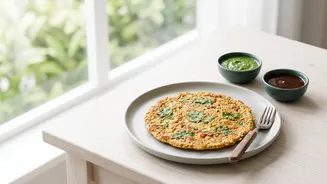
amino acids. Compared to white rice, it boasts more fibre, protein, and essential minerals like magnesium and iron. This switch doesn't just add nutrients; it also changes the meal's impact on your body. Quinoa has a lower glycemic index, which helps prevent the sharp blood sugar spikes associated with refined grains. The result is a more stable release of energy, keeping you feeling balanced and avoiding that mid-morning slump. The batter, typically made by soaking quinoa with urad and chana dal, produces a dosa that is wonderfully crisp and has a subtly nutty flavour, providing the perfect canvas for a flavourful filling.
The Protein Powerhouse: Enter Paneer
Paneer is more than just a delicious, creamy cheese; it's a vegetarian protein powerhouse. A 100-gram serving can pack around 18 to 20 grams of protein, making it an incredibly effective ingredient for building a satisfying meal. Protein is crucial for breakfast because it digests slowly, promoting a feeling of fullness—or satiety—that lasts for hours. This is why a paneer-based breakfast can effortlessly carry you through to lunch without the distraction of hunger pangs. Beyond protein, paneer is also an excellent source of calcium, which is vital for bone health. When crumbled and lightly spiced, its soft texture and mild taste absorb flavours beautifully, making it the ideal component to turn a simple dosa into something far more substantial and energising.
A Match Made in the Kitchen
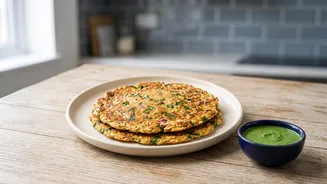
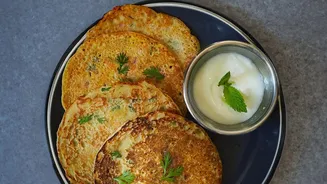
Combining quinoa dosa with a paneer filling creates a culinary synergy where the whole is truly greater than the sum of its parts. Nutritionally, you are stacking two high-quality protein sources—a plant-based complete protein from the quinoa and a dairy-based one from the paneer. This powerful combination supercharges the meal's ability to keep you full and fuelled. The textures also complement each other perfectly. You get the light, satisfying crispness of the golden-brown dosa contrasted with the soft, moist, and savoury paneer stuffing inside. It hits all the right notes: it is savoury, texturally interesting, and deeply satisfying without feeling heavy or greasy. This isn't just about making a healthier dosa; it's about creating a more complete and balanced meal that works for a modern, health-conscious lifestyle.
Crafting the Perfect Paneer Bhurji Filling
The secret to an unforgettable paneer dosa lies in its filling. A simple paneer bhurji is the perfect choice. To make it, start by heating a little oil or ghee in a pan. Sauté finely chopped onions until they soften, then add minced ginger and garlic for a fragrant base. Next, add chopped tomatoes and cook them down until they become mushy. Now it's time for the spices: a pinch of turmeric powder, a teaspoon of red chilli powder for heat, and a generous sprinkle of garam masala for warmth and complexity. Stir the spices for a minute before adding your crumbled paneer. Gently mix everything together, allowing the paneer to absorb the flavours of the masala. Cook for just a couple of minutes—overcooking can make the paneer tough. Finish with a squeeze of lemon juice and a garnish of fresh coriander leaves to brighten up the flavours. Let the filling cool slightly before using it in your dosas.
Tips for a Flawless Quinoa Dosa
Making quinoa dosa at home is straightforward. The key is in the batter preparation. Begin by thoroughly rinsing the quinoa to remove its natural coating, called saponin, which can taste bitter. Soak the quinoa along with urad dal and a small amount of chana dal for about four to six hours. This softens them for grinding. For an extra crisp texture, some recipes recommend adding a teaspoon of fenugreek (methi) seeds to the soak. Once soaked, drain the water and grind everything to a smooth, flowing batter, adding water sparingly as needed. The consistency should be similar to a traditional dosa batter. While you can use the batter immediately, allowing it to ferment for a few hours or overnight will enhance its flavour and texture. When cooking, use a hot, well-seasoned tawa, pour a ladle of batter in the centre, and spread it in a circular motion. Drizzle with oil or ghee and cook until the edges lift and the surface is golden and crisp.