






The Old Protein Guideline
For decades, the standard advice for protein has been based on the Recommended Dietary Allowance (RDA), which suggests 0.8 grams of protein per kilogram of body weight for the average adult. For a 68-kilogram person, that’s about 54 grams of protein daily.
However, scientists have long argued that this number represents the bare minimum to prevent a deficiency, not the optimal amount to thrive. It was never designed with goals like building muscle, managing weight, or healthy aging in mind. Recent research confirms this, suggesting that a one-size-fits-all approach is outdated and that different life stages and lifestyles demand different strategies.
Protein Needs When You're Active
If you exercise regularly, your protein needs are significantly higher than those of a sedentary person. Physical activity, especially resistance training, creates tiny tears in your muscle fibres. Protein provides the amino acids necessary to repair this damage and build the muscle back stronger. Recent consensus among sports nutrition scientists suggests that active individuals benefit from 1.4 to 2.2 grams of protein per kilogram of body weight daily. For that same 68-kg person, this means a much higher target of 95 to 150 grams per day to maximize training adaptations and support recovery. Endurance athletes fall within this range as well, typically needing around 1.2 to 1.7 grams per kilogram.
The Crucial Role of Protein as You Age
One of the most important findings from recent reviews is that older adults actually need more protein than their younger, sedentary counterparts, not less. As we age, our bodies become less efficient at using the protein we eat to build muscle, a phenomenon known as "anabolic resistance." To overcome this, higher protein intake is necessary to preserve muscle mass and prevent age-related muscle loss, or sarcopenia. Expert groups now recommend that healthy adults over 65 aim for 1.0 to 1.2 grams of protein per kilogram of body weight daily. This intake should increase to 1.2 to 1.5 g/kg for those with chronic or acute illnesses to support immune function and strength.
It's Not Just How Much, But When
Emerging research also highlights the importance of protein distribution throughout the day. Your body is better able to use protein for muscle building when it's consumed in moderate amounts across several meals, rather than all at once in a single, large dinner. Studies show that a balanced distribution — aiming for roughly 25-35 grams of protein at breakfast, lunch, and dinner — stimulates muscle protein synthesis more effectively over a 24-hour period than a skewed intake. For older adults, this strategy is particularly effective for combating anabolic resistance and preserving muscle. Spreading protein intake helps maintain a steady supply of amino acids for your muscles to use.
Advice for Indian Diets
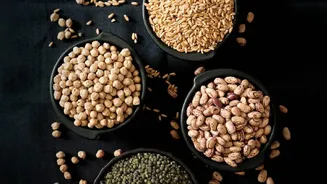
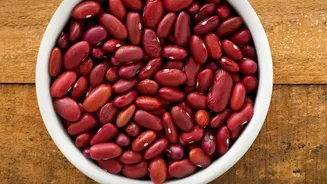
Meeting these higher protein targets is achievable within a traditional Indian diet, but it requires mindful planning, especially for vegetarians. Excellent vegetarian sources include dairy products like paneer and Greek yogurt, lentils (dal), chickpeas (chana), kidney beans (rajma), and soy products like tofu. A cup of cooked lentils provides around 17 grams of protein, while 100 grams of paneer can offer over 20 grams. The key is to include a dedicated protein source with every meal. Combining different plant-based proteins, such as dal with rice or rotis, helps ensure you receive all the essential amino acids your body needs to build and repair tissue effectively.