




From Visits to Habitation
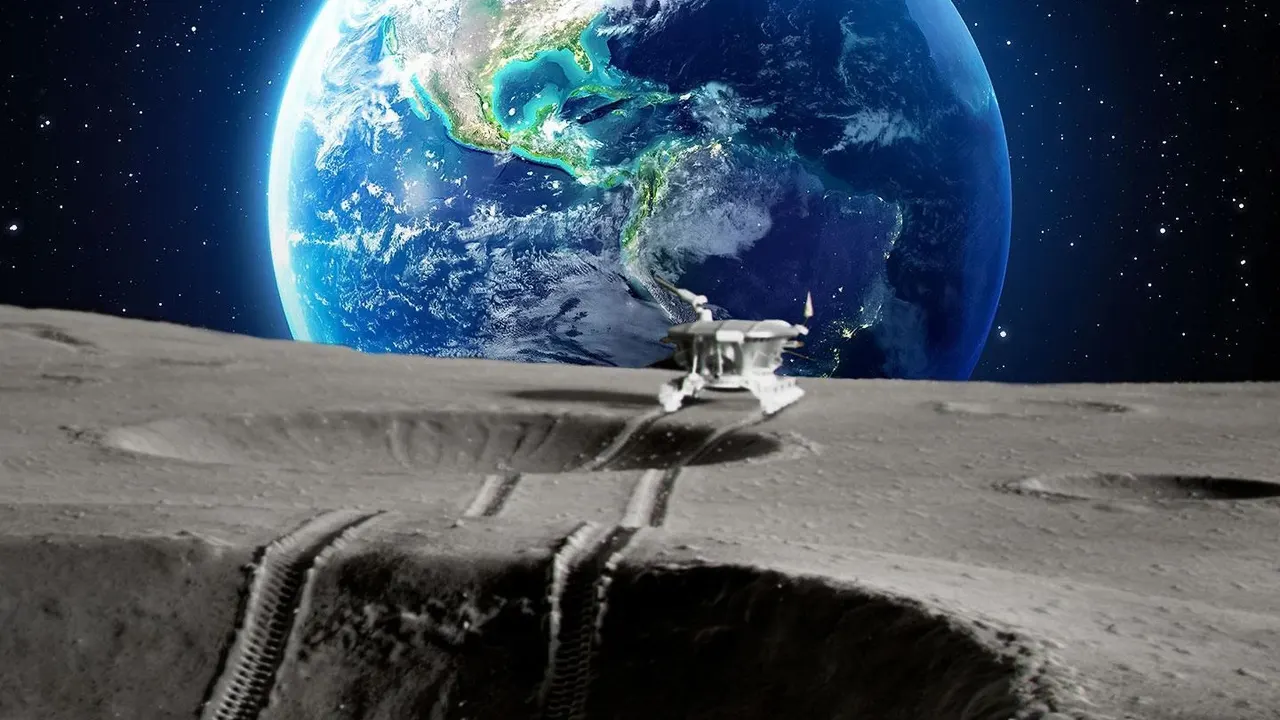
For the first time since the Apollo era, NASA's vision extends beyond brief visits to the lunar surface. The goal is to establish a sustainable, long-term human presence. This ambition, centered on the Artemis Base Camp near the Moon's south pole, represents
a fundamental shift in strategy. The focus is no longer just on exploration, but on creating an infrastructure that can support ongoing scientific research and test technologies for future missions to Mars. The lunar south pole was chosen specifically for its resources, including access to water ice in permanently shadowed craters and areas with near-constant sunlight for solar power. This move from 'flags and footprints' to a permanent outpost requires a new level of planning, one that methodically builds capabilities over time.
Phase One: Build, Test, and Learn
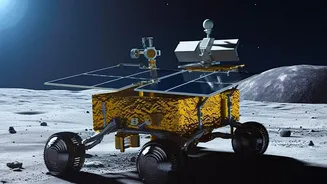
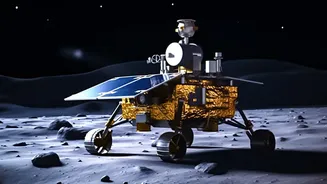
The first phase, currently underway and running through 2029, is all about laying the groundwork and mitigating risk. The objective is to secure reliable access to the lunar surface and begin testing key technologies in the harsh lunar environment. This involves a higher tempo of robotic missions through the Commercial Lunar Payload Services (CLPS) program, which sends instruments and technology demonstrations to the Moon. Astronauts will return to the surface on missions like Artemis III, but the focus is on testing foundational elements like mobility with the Lunar Terrain Vehicle (LTV), deploying initial power systems, and understanding the challenges of working at the south pole. According to NASA officials, this phase is about learning from smaller, higher-risk efforts to ensure the bigger, more complex systems work when they are deployed later.
Phase Two: Establishing an Operating Base
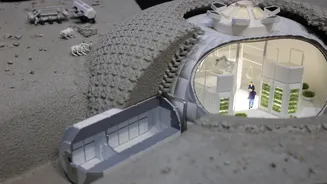
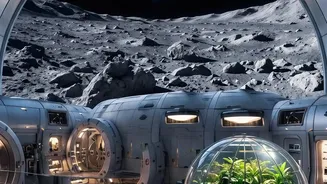
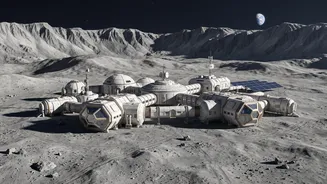
Beginning around 2029, the second phase will use the knowledge gained from the initial missions to establish the first version of a functioning base. This is where the core components of the Artemis Base Camp start coming together. Plans include the delivery of a Foundation Surface Habitat, a pressurized dwelling that can house up to four astronauts for short stays. This phase also sees the arrival of more advanced systems, such as a pressurized rover provided by Japan's space agency (JAXA) that allows for longer-duration trips away from the main habitat. A critical goal is establishing a robust and sustainable power supply, with NASA planning to deploy a small-scale fission nuclear power plant on the surface around 2030 to provide continuous energy during the long lunar nights.
Phase Three: A Sustained Human Presence
Set to begin in 2032 and beyond, the third phase aims to transition the outpost into a semi-permanent, and eventually permanent, human settlement. The infrastructure will be expanded to allow for longer crew stays, potentially for a month or more at a time. The focus will shift towards large-scale science and demonstrating true Earth independence. This includes advancing In-Situ Resource Utilization (ISRU) — the ability to 'live off the land' by extracting and processing lunar resources like water ice to create breathable air, water, and even rocket propellant. This phase envisions a bustling research station where some operations could eventually be handed over to commercial partners, fostering a true lunar economy.
Why This Methodical Plan Matters
This phased approach is more than just a timeline; it's a strategic necessity. Breaking such a complex endeavor into manageable stages makes the goal fiscally and technologically feasible. It allows NASA and its international and commercial partners to 'test as they fly', retiring risks incrementally rather than all at once. This iterative process ensures that technologies are mature before they become critical components of the habitat. It also aligns with budget cycles, making the enormous cost of a lunar base more palatable over a decade. By proving out habitation systems, life support, and resource utilization on the Moon, the Artemis program directly serves as the testbed for the next giant leap: sending humans to Mars. The roadmap provides a resilient, repeatable, and sustainable blueprint for humanity's future in the solar system.