
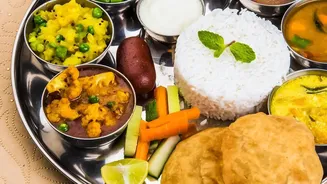
The Global Food Pecking Order
In the 2025/2026 TasteAtlas list, which ranks the the world's 100 best cuisines, India found itself at number 13. The top spots were dominated by European and other global cuisines, with Italy taking the crown, followed by Greece, Peru, Portugal, and Spain
rounding out the top five. Japan, China, and France also featured in the top ten. The ranking immediately raises questions for any fan of Indian food: in a world where butter chicken and biryani are global phenomena, how does a cuisine so rich and varied land outside the top ten?
Behind the Numbers
Before anyone takes to the streets in protest, it's important to understand how TasteAtlas arrives at its conclusions. The platform is not run by a small group of elite food critics but is an experiential food guide that relies on crowd-sourcing. For its latest awards, it analyzed over 590,000 user ratings for nearly 19,000 dishes and food products worldwide. To determine the best cuisines, the system calculates the average rating of the best-rated dishes and food products from each country. The platform uses mechanisms to filter out bot activity and nationalist voting, giving more weight to the ratings of users it recognizes as knowledgeable. So, the final ranking is a reflection of the collective voice of its global audience, not a decree from a handful of judges.
A Flawed System or a Fair Assessment?
The crowd-sourced model, while democratic, has its limitations. Rankings can often favor cuisines that are more widely accessible and familiar to a global, and often Western, user base. The ubiquity of pizza and pasta, for example, gives Italian food a massive advantage. Indian food, with its vast regional differences and complex spice profiles, can be harder to universally categorize and rate. What one person knows as 'Indian food' might be limited to North Indian staples, leaving the diverse cuisines of the South, East, and West underrepresented in global opinion. The platform has faced backlash before for its rankings, with critics questioning the methodology and potential for bias based on the user demographic. A system based on popular votes will naturally reward the most popular, not necessarily the most complex or 'best' cuisine.
Our Individual Glories Still Shine
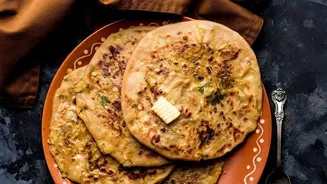
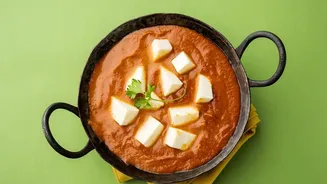
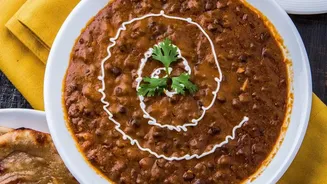
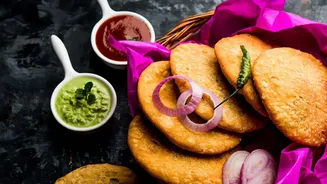
While the overall cuisine ranking might be a point of debate, India's individual dishes and products continue to earn top marks. In various lists for 2026, Butter Garlic Naan and Amritsari Kulcha have been lauded, even ranking as the top two breads in the world. Dishes like Murgh Makhani (Butter Chicken), Hyderabadi Biryani, and various tikkas consistently feature in lists of the world's best dishes. TasteAtlas itself recommends a range of Indian must-try items, including Parotta, Muthia, and even Garam Masala as a key product. Furthermore, Indian cities have also been celebrated, with Mumbai placing 5th among the world's best food cities for its vibrant street food culture. This shows that even if the overall 'cuisine' score is 13th, the components of that cuisine are recognized as world-class.
Too Diverse to Rank?
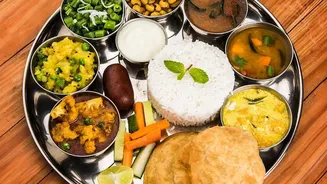
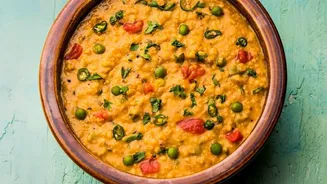
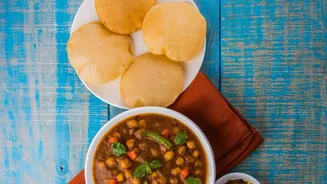
Ultimately, trying to rank a cuisine as sprawling, ancient, and diverse as India's is a difficult, if not impossible, task. From the seafood delicacies of Kerala to the rich meat curries of Kashmir, the vegetarian thalis of Gujarat, and the unique flavours of the Northeast, there is no single 'Indian food'. Each region has a culinary identity as distinct as any national cuisine. A single number cannot capture the emotional connection that food holds in India, where every festival, every family gathering, and every region has its own celebrated dishes. A global ranking is a snapshot of worldwide popularity, but it is not a definitive judgment on quality or cultural significance.