

The Spirit of a Sawan Thali
The month of Sawan, or Shravan, is dedicated to Lord Shiva, and many devotees observe fasts, especially on Mondays (Somwar). This period of spiritual discipline involves not just prayers but also a specific diet known as ‘vrat’ or ‘upwas’ food. The goal
is to consume ‘satvik’ foods — those that are light, pure, and calming for the body and mind. Generally, this means avoiding grains like wheat and rice, lentils, onions, garlic, and regular table salt. Instead, the vrat thali is filled with fruits, milk products, nuts, and specific flours like singhara (water chestnut) and kuttu (buckwheat). Potatoes, sweet potatoes, and certain gourds are also permitted, cooked with sendha namak (rock salt). This framework gives rise to a surprisingly creative and delicious culinary tradition, especially when it comes to sweets.
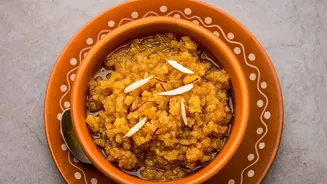
The Star of the Show: Aloo Halwa
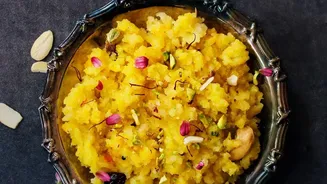
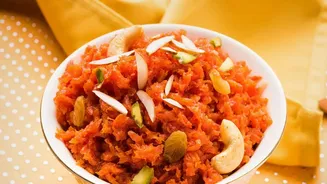
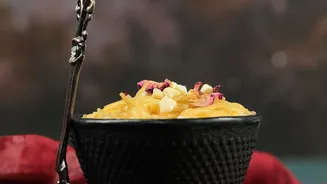
When you think of potatoes, a sweet dish is probably not the first thing that comes to mind. Yet, Aloo Halwa is a beloved North Indian fasting dessert that is both surprising and sublime. It’s a classic example of culinary ingenuity, transforming the humble potato into a rich, fudgy, and aromatic confection. The process involves cooking boiled and mashed potatoes in ghee until they turn golden and fragrant. Milk and sugar are then added, and the mixture is stirred continuously until it thickens and leaves the sides of the pan, much like other halwas. Finished with cardamom powder and a garnish of chopped nuts, the resulting dish is melt-in-your-mouth delicious. It’s a filling and energy-giving sweet, perfect for those observing a fast.
The Nutty Notes of Singhare ka Atta Halwa
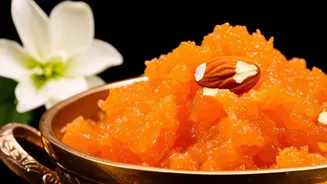
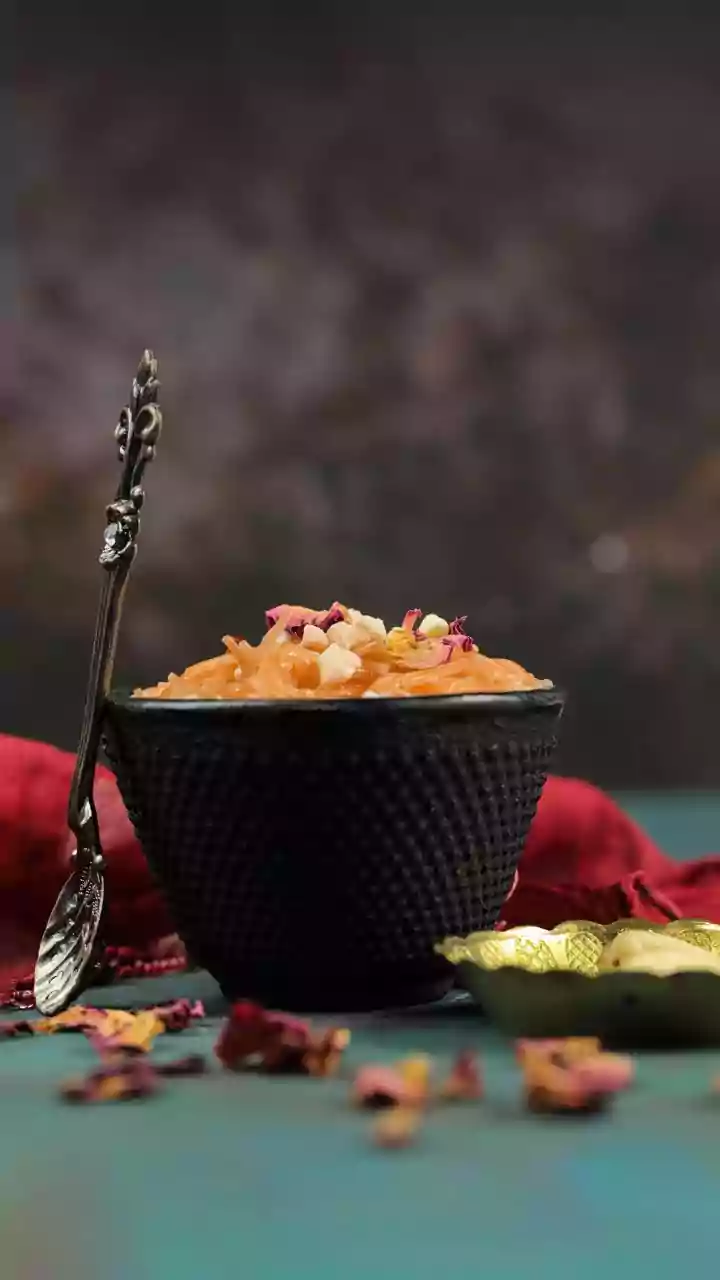
Another vrat classic, Singhare ke Atte ka Halwa, made from water chestnut flour, is a must-try. This gluten-free flour has a unique, slightly nutty flavour and a dark, earthy colour that sets its halwa apart. Making it involves roasting the flour in ghee until it releases a beautiful aroma. A syrup of sugar and water (or milk in some variations) is then poured in, and the mixture is cooked until it thickens into a dense, satisfying pudding. Garnished with almonds or cashews, this halwa offers a wonderful texture and a comforting warmth, making it a perfect post-puja treat.
A Twist on Kheer: Lauki and Makhana
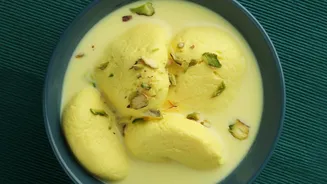
While the goal is to look beyond familiar kheer, some variations are too good to ignore. Lauki ki Kheer, made from bottle gourd, is a surprisingly refreshing dessert. The vegetable, known for being cooling and easy to digest, is grated and slow-cooked in milk until tender. The result is a creamy, light pudding with a unique texture, delicately flavoured with cardamom and saffron. Similarly, Makhana Kheer uses roasted fox nuts, which are simmered in milk until it thickens. The makhana softens yet retains a slight bite, creating a delightful contrast. Both are excellent ways to enjoy the comfort of kheer while trying something new.
The Natural Sweetness of Shakarkandi Halwa
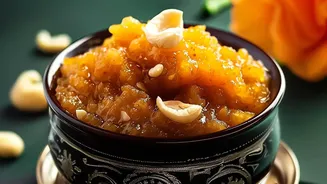
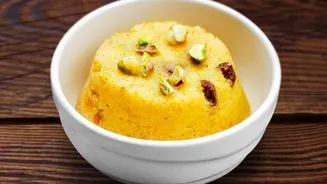
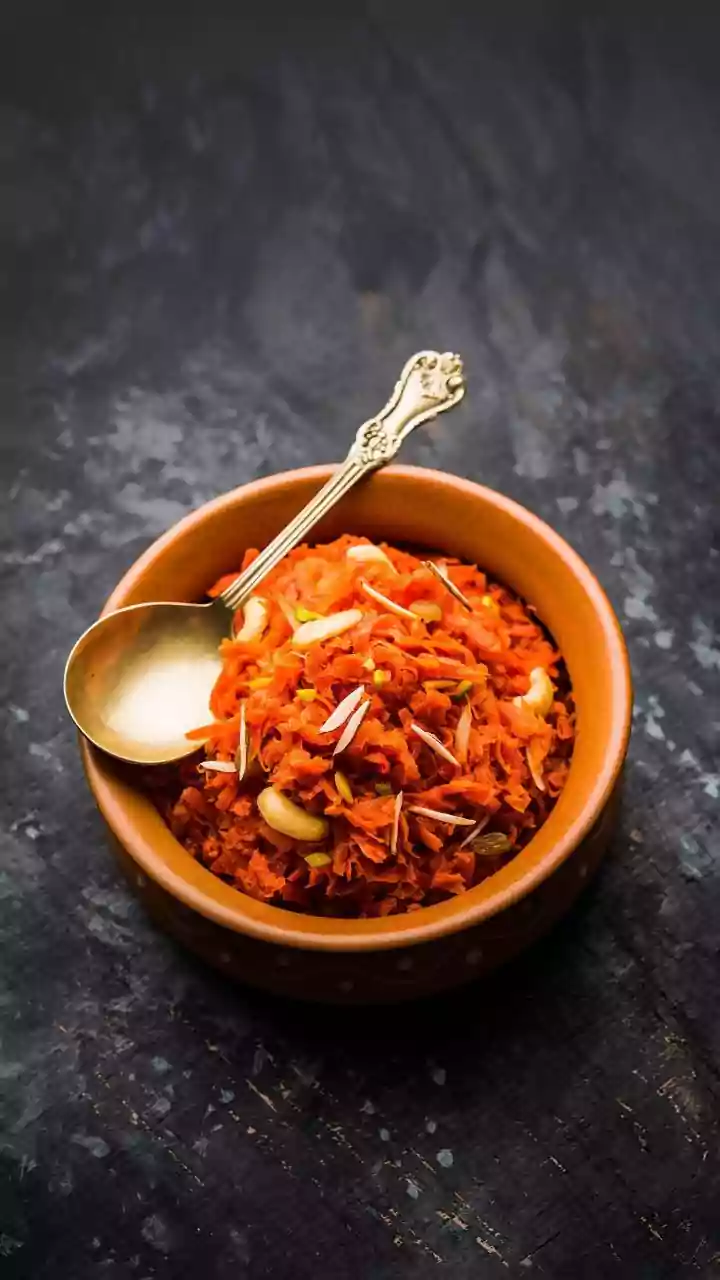
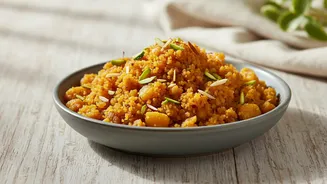
A close cousin to Aloo Halwa, Shakarkandi ka Halwa uses sweet potatoes to create an equally delicious but distinct dessert. Sweet potatoes are naturally sweet, meaning this halwa often requires less sugar. The preparation is similar: boiled and mashed sweet potatoes are sautéed in ghee and then cooked with milk and sugar until thick and fragrant. The resulting halwa has a vibrant colour and a smooth, velvety consistency. It is a wholesome and nutritious sweet that feels both indulgent and virtuous, perfectly aligning with the spirit of Sawan fasting.