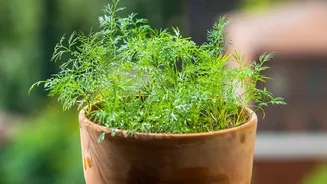








Citronella: The Natural Mosquito Repellent
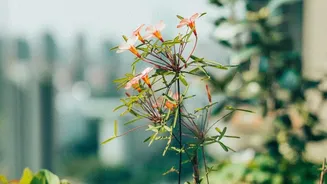
Famous for its presence in mosquito-repelling candles and sprays, the citronella plant is a must-have for Indian balconies and gardens, especially during monsoon season. Its strong, citrusy aroma is pleasant to humans but disruptive to mosquitoes, helping
to keep the pesky insects at bay. The plant itself contains oils like citronellal, which are released when the leaves are crushed or brushed against. To make the most of its properties, plant it in pots near windows, doors, or outdoor seating areas. Simply rustling the leaves as you pass by can help release its protective scent. Citronella thrives in warm climates and requires at least three to six hours of sunlight, preferably in the morning. It prefers well-drained soil and should be watered when the top inch or two of soil feels dry. Being relatively easy to grow, it’s an excellent choice for beginner gardeners looking for a plant that is both beautiful and functional.
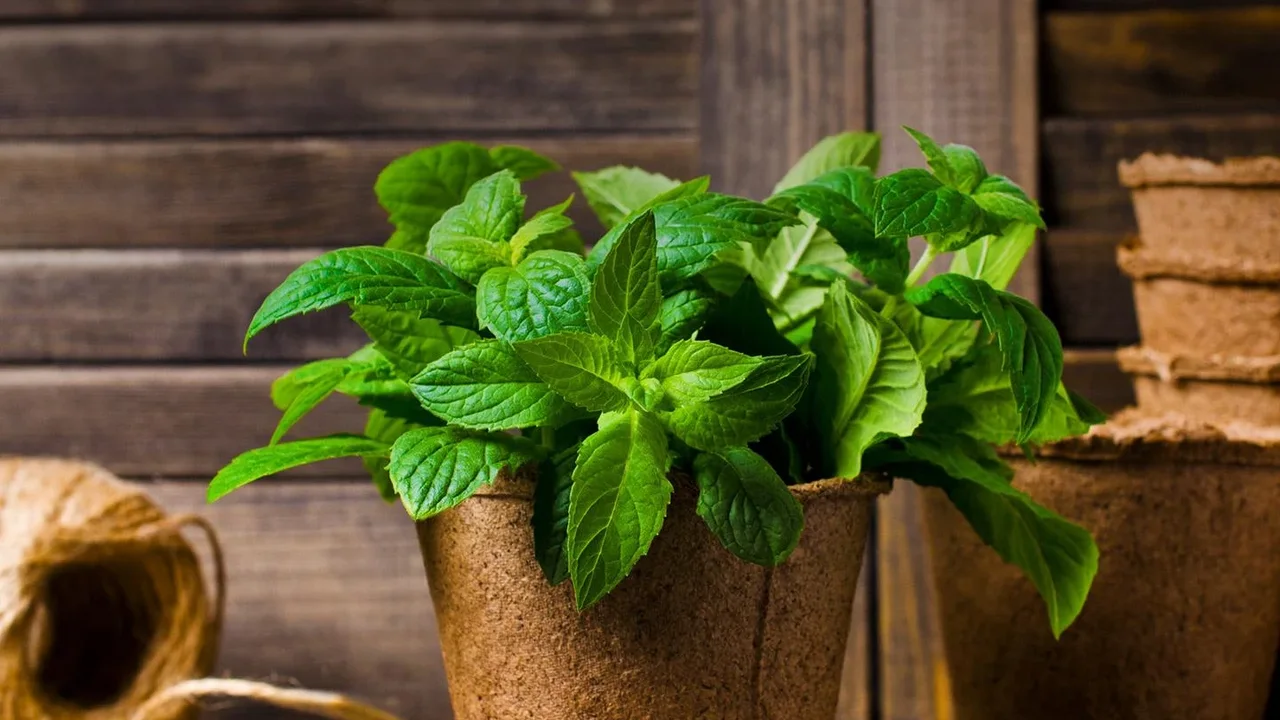
Mint (Pudina): The Refreshing All-Rounder
No Indian kitchen garden is complete without Pudina. This incredibly resilient herb is famous for its cooling properties, making it a staple in summer drinks, chutneys, and raitas. Its refreshing scent is a welcome addition to any space, and its benefits go beyond the kitchen. The aroma of mint is known to have a calming effect that can help reduce stress, and growing it near windows can deter pests like ants and flies. Mint is notoriously easy to grow; in fact, the main challenge is containing it. It spreads aggressively through underground runners, so it’s best grown in a container to prevent it from taking over your garden. It thrives in a spot that receives four to six hours of sun but appreciates some shade during the harsh afternoon heat of Indian summers. Keep the soil consistently moist, and harvest by snipping stems regularly to encourage bushier, healthier growth.
Tulsi (Holy Basil): The Sacred Healer
More than just an aromatic herb, Tulsi holds deep cultural and spiritual significance in India, where it is revered as a sacred plant. Its presence in a home is traditionally associated with peace and well-being. Beyond its spiritual value, Tulsi is a powerhouse of benefits. Its leaves are traditionally used in Ayurvedic remedies to boost immunity and relieve stress, often brewed into a fragrant tea. The plant also acts as a natural air purifier and a mosquito repellent. There are several varieties, like Rama and Krishna Tulsi, each with a distinct, pleasant aroma. Tulsi loves warmth and needs at least four to six hours of direct sunlight daily to flourish, making a sunny balcony or windowsill an ideal spot. It requires well-draining soil and moderate watering, but be careful not to let the soil get waterlogged. Regularly pinching the tops encourages the plant to grow bushy and full.
Lemongrass: The Zesty Fragrance
With its sharp, lemony scent, lemongrass is another aromatic herb that serves double duty in the garden. It is a key ingredient in many Asian cuisines, particularly Thai and Vietnamese food, and is also popularly used to make a refreshing herbal tea. Like citronella, lemongrass is an effective natural insect repellent, making it a great addition to garden borders or pots on the patio. This tropical grass is easy to grow in India’s climate, thriving in full sun and well-drained soil enriched with compost. It is a fast grower and appreciates regular watering, especially during hot, dry weather. You can easily propagate lemongrass from fresh stalks bought at the grocery store by placing them in water until roots form. Regular harvesting of its stems will encourage the plant to keep producing fresh, flavourful growth.
Rosemary: The Aromatic Evergreen
Rosemary's pine-like fragrance is unmistakable. This hardy, woody herb is a favourite in culinary circles for flavouring roasted meats, vegetables, and breads. Its aromatic oils also make it a natural pest repellent in the garden, helping to ward off insects like carrot flies and cabbage loopers. Furthermore, its lovely blue flowers are a magnet for pollinators such as bees and butterflies, which benefits the entire garden ecosystem. Rosemary is native to the Mediterranean and loves dry, sunny conditions, making it drought-tolerant once established. It requires well-draining soil and should only be watered when the soil feels completely dry to the touch. In India, it adapts well to regions with good sunlight. This low-maintenance herb is perfect for pots and adds year-round greenery and fragrance to any space.
Lavender: The Calming Bloom
Known globally for its soothing, floral scent, lavender is celebrated for its calming properties and is widely used in aromatherapy to reduce stress and anxiety. Its beautiful spikes of purple flowers are not only visually appealing but can also be dried for use in potpourri and sachets to perfume your home naturally. While traditionally a Mediterranean plant, certain varieties like French and Spanish lavender are heat-tolerant and can be grown successfully in India's diverse climates. The key to growing lavender is providing it with at least six to eight hours of direct sunlight and excellent drainage, as it detests waterlogged soil. Water it sparingly, allowing the soil to dry out completely between waterings. Growing lavender can be a rewarding experience, transforming your garden into a fragrant, tranquil retreat.